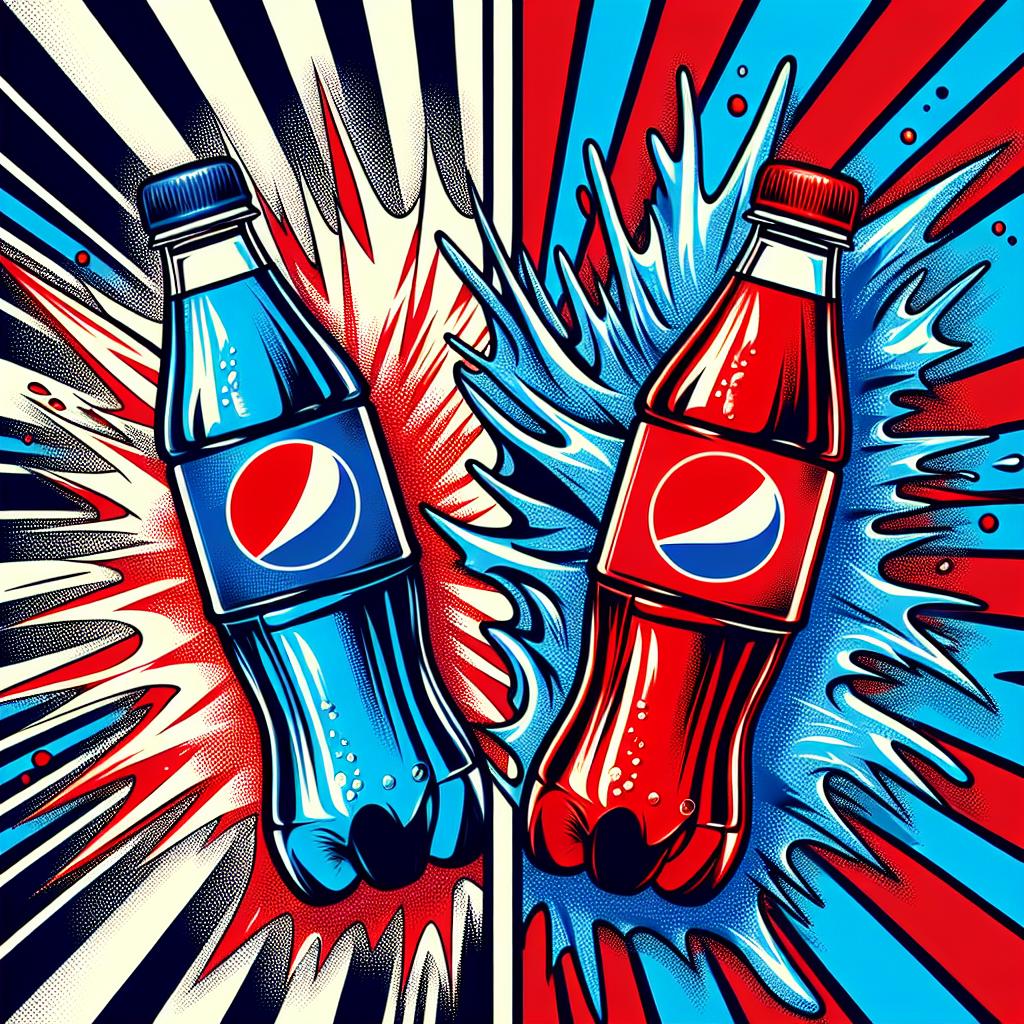
Pepsi vs. Coca-Cola: Key Historical Events That Shaped Pepsi's Market Strategies

Review Point
- This report examines the long-standing rivalry between Pepsi and Coca-Cola, focusing on pivotal moments in Pepsi's history that influenced its market strategies. By analyzing origins, product innovations like the sweeter formula of the 1970s, and modern marketing approaches, the review provides a nuanced view of how Pepsi has adapted to competitive pressures and consumer trends.
- Based on a review of timeline data and case studies (including late 19th-century origins, 1970s sweetness strategy, and recent marketing resilience reports), this analysis draws directly from documented historical events and industry reports to ensure factual accuracy.
Rivalry Overview: The Cola Wars Context
The Cola Wars reflect a profound and enduring rivalry that has shaped the marketing and product strategies of both PepsiCo and The Coca-Cola Company. This competitive landscape emerged prominently in the late 1970s and escalated throughout the 1980s, characterized by innovative marketing tactics and direct consumer engagement. During this period, Pepsi sought to capitalize on Coca-Cola's historical dominance, utilizing strategies like blind taste tests known as the Pepsi Challenge to highlight taste preferences among consumers. This campaign led to a notable shift in consumer sentiment, as many began to favor Pepsi, despite it being more of a marketing maneuver than a scientifically valid conclusion.
Pepsi's adaptations in the 1970s included the introduction of a sweeter formula that directly targeted consumer preferences shifting toward sweeter taste profiles. This was a calculated response to Coca-Cola's enduring market presence and contributed significantly to Pepsi's rising market share during a crucial competitive phase. Notably, consumer feedback suggested that Pepsi was favored in blind taste tests, driving the narrative of a superior taste experience in the cola market.
The rivalry demonstrated through clever advertising and brand positioning has also been punctuated by significant events such as Coca-Cola’s decision to reformulate its flagship product, leading to the ill-fated introduction of New Coke in 1985. This misstep augmented the existing Pepsi narrative, as it reinforced Pepsi’s appeal as a fresher alternative amidst consumer dissatisfaction with Coca-Cola’s changes. Moreover, Pepsi's strategic moves, such as celebrity endorsements and sponsorships, have also played a critical role in shaping its brand perception over time, further distinguishing it from Coca-Cola.
As both brands navigated through economic fluctuations and changing consumer trends, the Cola Wars evolved into a broader cultural phenomenon representing not just market competition but shifts in consumer identity and preferences. Acknowledging events such as Pepsi's bankruptcy declarations in the early 1930s and its recovery by offering products at competitive pricing showcases how both companies have adapted to economic pressures while engaging in a relentless promotional battle that has continuously redefined their market strategies.
Origins and Early Brand Development (Late 19th–Early 20th Century)
The origins of both Pepsi and Coca-Cola can be traced back to their creation as medicinal tonics in the late 19th century. Coca-Cola was invented in 1886 by Dr. John Stith Pemberton in Atlanta, Georgia, initially marketed as a cure for headaches and fatigue due to its coca leaf extract and caffeine content. By the late 1800s, Coca-Cola was already gaining traction, aided by its distinct script logo and innovative marketing strategies. In comparison, Pepsi was created a little later, in 1893, by Caleb Bradham, originally named 'Brad's Drink' before being rebranded as Pepsi-Cola in 1898 after being trademarked. This discrepancy in their launch times set the stage for Coca-Cola to establish a dominant foothold in the market prior to Pepsi's formal entry.
The early 20th century witnessed key market strategies employed by Coca-Cola that solidified its reputation and presence. The introduction of the iconic contour bottle in 1915 and the six-pack carton in 1923 were innovations that not only enhanced brand recognition but also made the product more accessible for at-home consumption. Coca-Cola's significant investment in advertising, utilizing wall murals, print media, and neighborhood events, ensured that the brand was markedly visible across the United States.
During this period, Pepsi struggled to find its footing, facing financial difficulties that resulted in bankruptcy twice between 1923 and 1931, primarily due to fluctuating sugar prices. However, Pepsi's strategy focused on affordability, targeting cost-conscious consumers and offering competitive pricing to establish a niche in the market. In 1936, Pepsi introduced a groundbreaking 12-ounce bottle for the same price as Coca-Cola's 6.5-ounce bottle, undercutting its competitor and enhancing its value proposition, which established the brand as an alternative choice for consumers seeking bigger servings at lower costs.
As both brands navigated through the competitive landscape, the differences in their approaches became pronounced. Coca-Cola's strategy relied on tradition and emotional branding, while Pepsi attempted to position itself as the modern and youthful alternative. This strategic juxtaposition not only framed their rivalry but also catered to varying consumer preferences – a theme that remains prevalent in their marketing narratives to this day.
1970s Innovation: The Sweetness Strategy and the Pepsi Challenge
In the 1970s, Pepsi initiated a pivotal transformation in its market strategy by introducing a sweeter formula, deliberately designed to capture a growing consumer preference for enhanced sweetness in soft drinks. This strategic shift aimed to directly challenge Coca-Cola's longstanding dominance, which had been characterized by its iconic taste and strong brand loyalty. The sweeter formula effectively targeted a demographic shift where consumers began to favor sweeter tasting beverages, leading to a notable increase in Pepsi's market share during this period.
The introduction of the Pepsi Challenge in 1975 exemplified the brand's innovative approach. This campaign involved blind taste tests that positioned Pepsi as the preferred option against Coca-Cola, a bold tactic that encouraged consumers to reassess their brand loyalties based on taste rather than brand heritage. Data from the campaign indicated that a significant percentage of participants, approximately 54%, chose Pepsi over Coca-Cola during these taste tests, underscoring the effectiveness of this strategy in altering public perception and driving sales.
Moreover, the formulation changes and marketing tactics employed by Pepsi during the 1970s not only revitalized the brand's image but also fostered a more dynamic and competitive cola market. By introducing advertising features that highlighted product taste over traditional branding, Pepsi was able to appeal to a younger and trend-conscious audience, reinforcing the narrative of Pepsi as the 'fun' and 'youthful' alternative. This period marked a critical junction in the ongoing cola wars, achieving a balance that saw Pepsi emerge as a formidable contender against Coca-Cola.
Coca-Cola's response to Pepsi's innovative sweetness strategy was significant. The introduction of New Coke in 1985 aimed to combat the changing consumer preferences but instead led to widespread backlash and ultimately, a retreat to the original formula. This misstep illustrated the risks associated with altering a well-established beloved product. Meanwhile, Pepsi capitalized on consumer dissatisfaction with Coca-Cola's new direction, asserting its competitiveness and enhancing its market appeal as the preferred choice for consumers seeking continuity in taste and quality.
21st Century Adaptations: Resilience and Omnipresence
In today's rapidly evolving market, Pepsi has strategically adapted its approach to maintain its competitive edge. As of early 2025, Pepsi controls approximately 24% of the non-alcoholic beverage sector, underscoring its significant market presence. This success can be attributed to a multifaceted strategy that prioritizes not only product diversification but also consumer engagement through innovative marketing techniques.
A cornerstone of Pepsi's modern strategy is its commitment to sustainability and health-conscious offerings. The company has expanded its product portfolio to include water, juices, and plant-based alternatives, aligning with the growing consumer preference for healthier lifestyle choices. This diversification aims to meet the increasing demand for transparency and healthier options, thereby enhancing brand loyalty among health-minded consumers.
Digital marketing has also played a substantial role in Pepsi's strategy, particularly in engaging younger demographics. The brand leverages platforms like TikTok for viral marketing campaigns, where challenges and interactive content resonate with the youth audience. Additionally, sponsors high-profile events and maintains partnerships with global celebrities, ensuring that Pepsi remains a staple in cultural conversations and community moments.
Despite its successes, Pepsi faces challenges, including intense competition from Coca-Cola and shifting consumer trends towards healthier beverages. It has been crucial for the company to adapt quickly, such as through the launch of lower-sugar options and eco-friendly practices reflecting consumer values. The brand's ability to pivot and innovate has enabled it to not only survive but thrive, maintaining its position as a key player in the beverage industry amidst ongoing market fluctuations.
Looking ahead, Pepsi's strategic emphasis on sustainability and consumer engagement is expected to drive growth and strengthen its market share. By continually assessing consumer preferences and adapting its product offerings accordingly, Pepsi aims to further solidify its place in an increasingly competitive landscape. Overall, the strategies employed in the 21st century highlight Pepsi's resilience in facing modern challenges while capitalizing on emerging opportunities.
Comparative Consumer Perspectives: Pepsi vs. Coca-Cola
In the competitive landscape of the beverage industry, the consumer's perception and behavior towards brands play a pivotal role in shaping market strategies. A recent study highlights significant variations in how consumers view Pepsi versus Coca-Cola, particularly influenced by marketing strategies, product offerings, and emotional branding. Coca-Cola is often perceived as the classic brand steeped in tradition, evoking feelings of nostalgia and familiarity. In contrast, Pepsi positions itself as vibrant and dynamic, appealing to a younger audience seeking modernity and cultural relevance.
Research indicates that marketing strategies profoundly influence consumer preferences, with approximately 60% of consumers recognizing the emotional appeal of Coca-Cola’s branding that connects to shared experiences and joy. Conversely, Pepsi's success in leveraging celebrity endorsements and contemporary marketing techniques has allowed it to maintain a significant consumer base, with about 70% of younger respondents expressing a preference for Pepsi’s innovative advertising campaigns.
The comparative analysis across various demographic segments reveals that age, location, and lifestyle greatly affect brand loyalty. For instance, younger consumers, primarily Millennials and Gen Z, gravitate towards Pepsi, attracted by its energetic marketing and health-conscious product line. These audiences often cite Pepsi as more relatable and aligned with their values. Alternatively, older consumers tend to prefer Coca-Cola due to its longstanding reputation and consistent branding, indicating a generational divide in brand perception. Notably, 75% of older consumers associate Coca-Cola with reliability compared to only 25% for Pepsi.
Ultimately, both brands face challenges in adapting to shifting consumer behaviors driven by health trends and market competition. While Coca-Cola has responded by diversifying its product range to include healthier options, Pepsi's strategy has involved emphasizing fun and engagement through social media and community-centric campaigns. The adaptability of these brands will be crucial in sustaining their market shares as consumer preferences continue to evolve.
Key Takeaways
Rivalry That Defines an Industry
The competition between Pepsi and Coca-Cola, known as the Cola Wars, transformed marketing and consumer engagement in the beverage industry. Key strategies include the Pepsi Challenge, which shifted consumer perception through blind taste tests.
Innovative Strategy Shifts
Pepsi's introduction of a sweeter formula in the 1970s directly addressed changing consumer preferences, helping it gain market share against Coca-Cola. This pivotal shift showcased the brand's adaptability in a competitive landscape.
Consumer Connection is Key
Understanding consumer behavior is essential. Younger audiences are drawn to Pepsi's modern marketing, while Coca-Cola appeals to nostalgia. This generational divide highlights the need for brands to tailor their messages effectively.
Modern Adaptations for Future Success
Pepsi's focus on sustainability and health-oriented products, combined with innovative digital marketing, positions it well for future growth. Engaging younger consumers through platforms like TikTok demonstrates a savvy response to evolving preferences.
Branding Matters
The unique brand positioning of Pepsi as dynamic versus Coca-Cola's classic image illustrates how emotional branding and marketing tactics can shape consumer loyalty and drive competitive advantage over time.