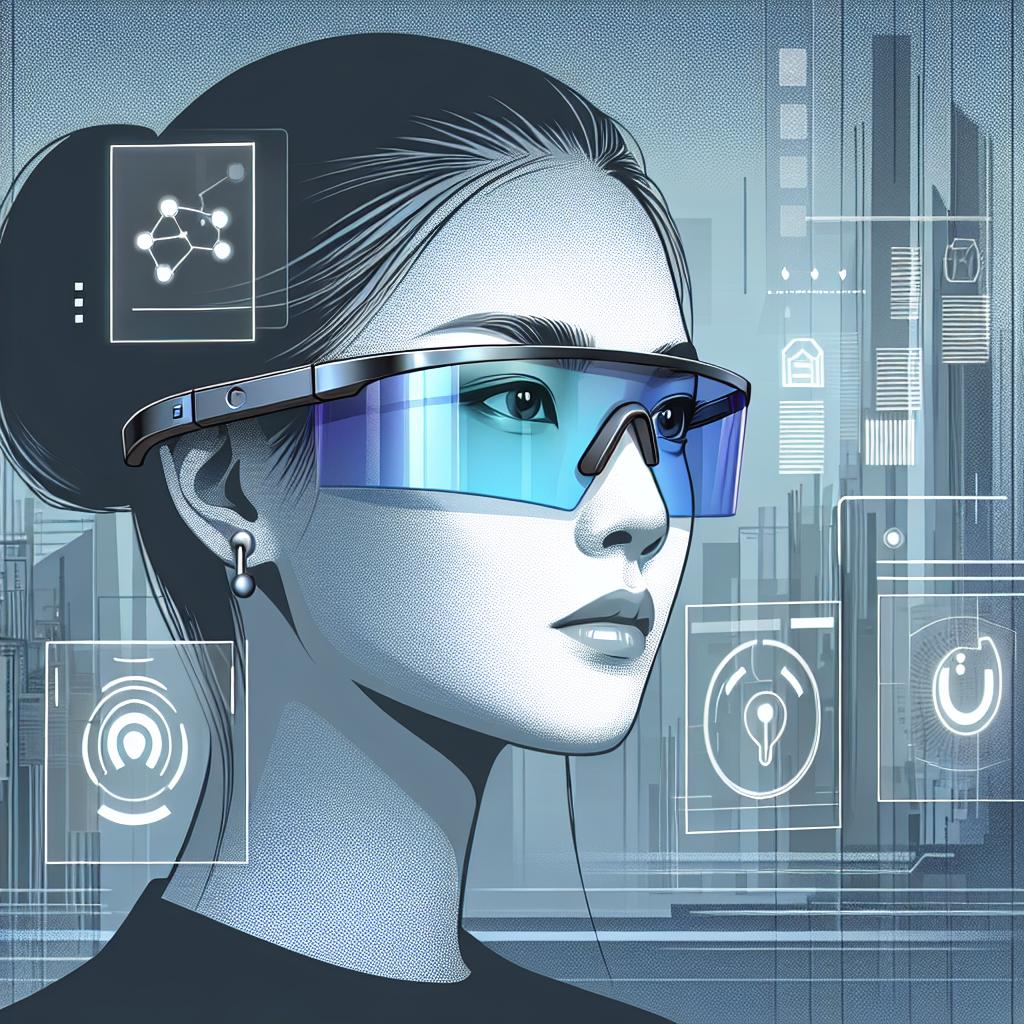
Latest Trends in Smart Glasses: The Rise of AI-Integrated Wearables

Latest Trends in Smart Glasses: The Rise of AI-Integrated Wearables
2026: A Landmark Year for AI-Powered Smart Glasses
As of December 2025, the smart glasses market is currently developing into one of the most competitive tech segments, primarily driven by innovations in artificial intelligence (AI). The anticipated launch of Google's Android XR smart glasses, powered by the Gemini AI assistant, represents a significant evolution in wearable technology. Google has confirmed that these glasses will include both audio-only models and versions with integrated displays, allowing users to interact with their environment more intuitively. This multifaceted approach is projected to redefine user expectations for augmented reality (AR) and wearable computing.
Recent developments indicate an increasingly strengthening trend toward integrating AI capabilities into everyday devices. Companies like Google and Samsung are at the forefront, responding to consumer demand for more functional and stylish wearables, as illustrated by their partnerships with fashion brands like Warby Parker and Gentle Monster. These collaborations not only aim to enhance aesthetics but also functionality, making smart glasses suitable for all-day wear unlike their predecessors.
The competitive landscape is heating up as Meta's Ray-Ban glasses have already sold over two million units, indicating a robust market for AI wearables. However, Google's introduction of the Android XR glasses is seen as a direct challenge to Meta's dominance. Analysts expect that as these products evolve and hit the market in 2026, they will provide significant alternatives for consumers, particularly if they manage to incorporate advanced features like real-time navigation and language translation more seamlessly than current offerings.
Moreover, the entry of HTC with its VIVE Eagle smart glasses, which supports multiple AI models, reveals a growing trend among manufacturers to allow flexible use of various AI systems. This open-platform strategy is designed to appeal to a wider audience, resonating with users' needs for customization and adaptability. As such, the smart glasses market is not only being shaped by technical advancements but also by strategic partnerships that enhance user engagement, potentially leading to increased adoption rates.