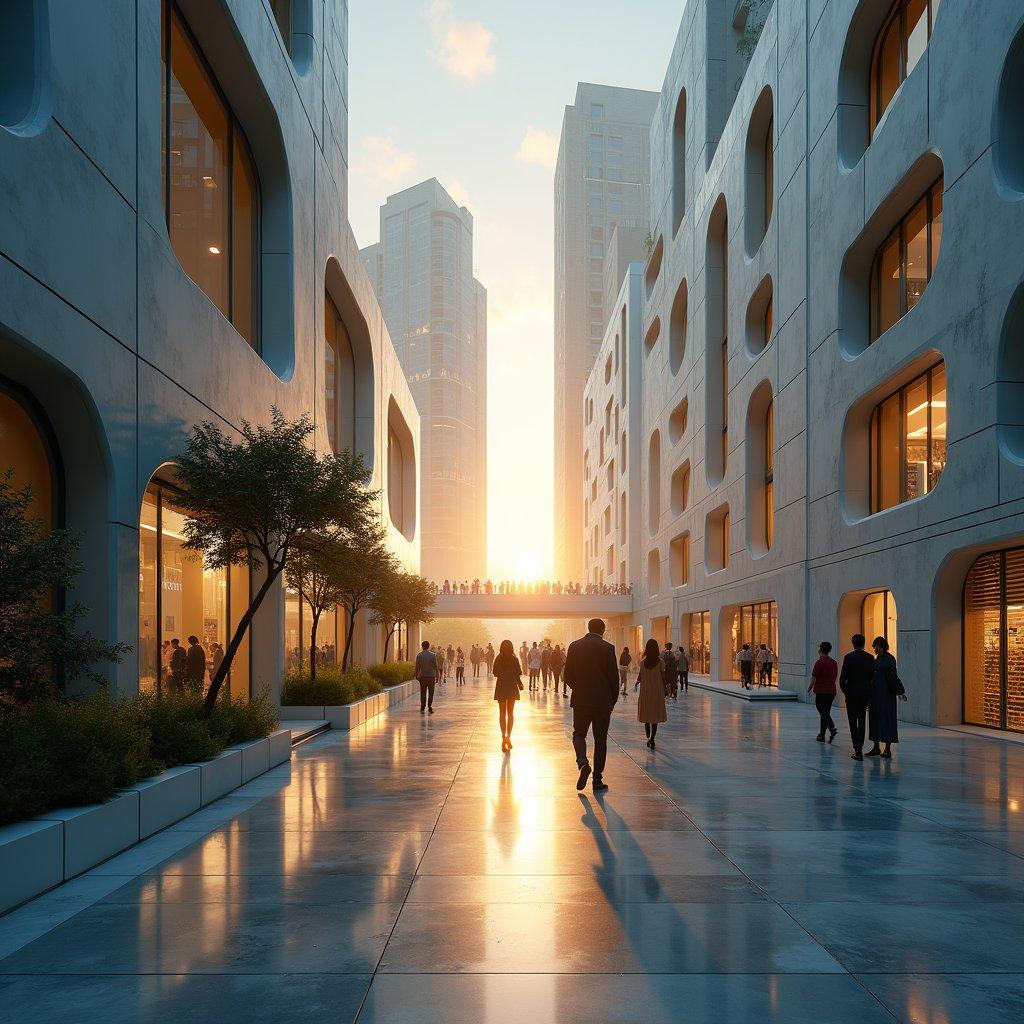
Building Sustainable Urban Futures: Integrating Soil Health, Green Infrastructure, and Innovative Materials

TABLE OF CONTENTS
- Revitalizing Urban Soils for Resilience and Food Security
- Harnessing Nature-Based Solutions for Urban Cooling and Energy Efficiency
- Enhancing Well-Being through Accessible Green Spaces
- China's Ecological Protection and Afforestation Impacts
- Innovative Materials Driving Sustainable Construction
- Decarbonizing Urban Infrastructure and Services
- Conclusion
1. Summary
As urban centers around the globe navigate the challenges posed by climate change, resource scarcity, and public health concerns, the integration of innovative materials and nature-based strategies into urban planning becomes increasingly essential. The insights presented in December 2025 reveal the critical importance of soil health, green infrastructure, and ecological protection as foundational components for sustainable urban futures. The current emphasis on revitalizing urban soils not only supports local food systems but also plays a pivotal role in enhancing environmental sustainability. Strategies incorporating conservation agriculture and urban farming practices have gained traction, fostering biodiversity and improving air quality within densely populated areas. Additionally, advancements in soil-monitoring technologies reflect a growing commitment to effective urban soil management.
When addressing the phenomenon of urban heat islands (UHIs), evidence from robust meta-analyses illustrates that utilizing green vegetation can yield average temperature reductions of 2.04 °C in urban climates, significantly lowering cooling demands and greenhouse gas emissions. The retrofitting of buildings to transform them into energy producers, combined with the strategic integration of cooling green spaces, emerges as a promising approach to combat rising energy consumption while improving urban livability. Furthermore, programs underscoring accessibility to urban parks highlight how proximity to green spaces not only encourages physical activity but also enhances mental well-being, particularly among vulnerable populations.
In recent achievements, China has set a benchmark with its Ecological Protection Red Line framework, expanding forested areas and effectively safeguarding marine ecosystems. The adaptive success of this initiative presents valuable lessons for urban planners worldwide, advocating for the incorporation of robust ecological principles into city development. Innovative materials, such as seashell-derived concrete, demonstrate practical applications for achieving sustainable construction while reducing carbon footprints. Ultimately, the report advocates for collaborative efforts among municipalities, developers, and researchers to foster integrated, evidence-based solutions that pave the way for resilient and sustainable urban environments.
2. Revitalizing Urban Soils for Resilience and Food Security
2-1. Role of Soil Health in Urban Agriculture
Soil health is paramount in urban agriculture, contributing not only to local food systems but also to environmental sustainability. The recent emphasis on celebrating World Soil Day highlights the critical functions healthy soils serve in cities. According to the United Nations, over 95 percent of the world's food is produced from soils, which play a vital role in regulating temperature, absorbing rainwater, and storing carbon. In December 2025, significant practices such as conservation agriculture, urban farmlands, and organic composting have been implemented to enhance soil structure and foster biodiversity within urban settings. Innovations such as soil-monitoring sensors are aiding in effective management, allowing for better stormwater control and carbon assessment, ultimately leading to greener and more resilient urban environments. These practices are driven by the understanding that healthy urban soils not only provide food but also improve air quality and enhance the ecological integrity of urban areas.
2-2. Impact of Climate Change on Soil Nitrogen Cycles
Climate change presents a major challenge to soil nitrogen cycles, which are crucial for both agricultural productivity and environmental health. A recent study published on December 2, 2025, examined how warming temperatures, particularly in dry conditions, affect soil nitrogen levels in forests. Surprisingly, the findings revealed that nitrogen emissions decreased rather than increased as previously assumed. This counterintuitive result, showing a 19 percent reduction in nitric oxide and 16 percent in nitrous oxide emissions, indicates that rising temperatures can slow microbial activity in dry soils, ultimately leading to reduced nitrogen availability. This study underscores the need for adaptable agricultural practices within urban spaces, as the implications of climate change can disrupt traditional soil management practices. As cities adapt to changing climatic conditions, understanding these dynamics will be essential for maintaining soil health and ensuring food security.
2-3. Strategies for Soil Conservation in Cities
Cities are increasingly recognizing the importance of soil conservation strategies to combat degradation and enhance resilience to climate impacts. Effective strategies being adopted include the implementation of permeable pavements, which allow water to infiltrate the ground, preventing flooding and enhancing groundwater recharge. Additionally, urban farmland initiatives are growing, aiming to utilize available land for food production while promoting community engagement. The integration of technology, such as drones for monitoring land changes and assessing soil health, is emerging as a key component of these strategies, providing crucial data for policymakers to make informed decisions. As emphasized on World Soil Day, collaborative efforts are necessary for reimagining urban spaces to prioritize soil health, support local agriculture, and contribute to broader environmental goals. Sustainable practices will not only improve the quality of urban soils but also enhance the overall resilience of cities against climate change and other environmental challenges.
3. Harnessing Nature-Based Solutions for Urban Cooling and Energy Efficiency
3-1. Mitigating Urban Heat Islands with Vegetation
As cities continue to grapple with the dual challenges of rising global temperatures and rapidly increasing urban populations, the phenomenon of urban heat islands (UHIs) has become a pressing issue. Research highlights that dense urban environments often retain and amplify heat, creating localized hotter areas compared to their rural counterparts. Nature-based solutions (NBS), particularly those involving vegetation, have emerged as effective strategies to combat these effects.
A pivotal meta-analysis published in November 2025 synthesized findings from 373 studies across various climates, revealing that the implementation of NBS can reduce daytime temperatures by an average of 2.04 °C during hot periods. This temperature decrease not only enhances comfort for city dwellers but also leads to significant reductions in cooling demands, resulting in lower greenhouse gas emissions and energy costs. Notably, neighborhood-scale interventions, such as increasing urban tree cover and developing green roofs, proved particularly effective, reducing temperatures by an impressive average of 2.22 °C.
The advantages of NBS extend beyond thermal regulation; they contribute substantially to energy resilience and operational savings for urban energy systems. For example, the same analysis found a 1.32% reduction in annual building cooling loads attributable to these green interventions, showcasing their essential role in reducing the overall electricity consumption in cities. Therefore, policies prioritizing the integration of green infrastructure stand to benefit both urban heat mitigation and energy efficiency, aligning with broader sustainability goals.
3-2. Retrofitting Buildings into Energy Producers
In addressing urban energy demands, retrofitting existing buildings to transform them into energy producers represents a substantial opportunity. According to the latest insights, most buildings that will be in use by 2050 are already constructed today. This realization calls for a major shift in focus towards enhancing the energy efficiency of existing structures instead of solely concentrating on new developments.
Successful retrofitting can convert conventional buildings into active contributors to the energy grid, equipped with technologies such as solar panels and sophisticated energy management systems. By optimizing their design and operational efficiency, these buildings can significantly curb emissions associated with heating and cooling—traditionally among the highest contributors to urban energy consumption.
Importantly, retrofitted buildings not only yield energy savings and lower emissions, but they can also integrate complementary nature-based solutions. Green roofs, which are part of the NBS framework, enhance insulation and offer ecological benefits such as stormwater management and biodiversity enhancement while further reducing urban heat.
3-3. Integrating Cooling Green Spaces into Urban Design
The potential of integrating cooling green spaces into urban planning is immense. As cities scale towards climate resilience, creating accessible green areas—parks, green corridors, and urban forests—is essential for enhancing urban livability. These spaces not only cool the environment through evapotranspiration and shading but also offer habitats for urban biodiversity, promote physical activity, and improve mental health outcomes for residents.
A noteworthy finding from the recent meta-analysis indicates that while both green and blue infrastructures offer cooling benefits, green infrastructure has consistently outperformed blue solutions in various climates. This underscores the need for urban planners to strategically prioritize vegetation-based projects. By incorporating elements such as trees and green roofs into urban design, cities can effectively create cooler microclimates that alleviate heat stress, especially for vulnerable populations.
Moreover, fostering community engagement in the development and maintenance of these green spaces ensures their longevity and effectiveness. Together, these initiatives can significantly mitigate UHI effects and contribute to an overall reduction in urban energy consumption, turning cities into more resilient and sustainable environments. Thus, encouraging collaboration between planners, communities, and policymakers is crucial for successful implementation.
4. Enhancing Well-Being through Accessible Green Spaces
4-1. Designing Parks for Physical Activity
Urban parks have long been viewed as essential spaces for community engagement and physical activity, but recent studies emphasize that accessibility is a key factor in promoting their use. A report published in December 2025 highlights the findings of researchers from Stanford University's Natural Capital Project, which utilized wearable technology to analyze physical activity levels in relation to park accessibility. They discovered that merely increasing greenery does not automatically lead to increased physical activity. Instead, the ease of access to parks significantly influences daily movement; a mere 10% increase in park accessibility corresponds to additional daily step counts of approximately 107 steps. This underscores the importance of not only creating more parks but also improving walkability and connectivity to existing ones, targeting efforts especially in underserved communities where access to green spaces may be limited.
4-2. Neuroscience Insights into Mental Health and Urban Nature
The intersection of neuroscience and urban planning is revealing critical insights into how green spaces can be optimized to support mental well-being. A recent interview with Agnieszka Olszewska-Guizzo, a landscape architect and neuroscientist, elaborated on the emerging field of neurourbanism, which seeks to redesign urban environments to enhance psychological health more effectively. The research underscores that not all green spaces yield equal benefits; rather, features such as the depth of views and the complexity of landscapes significantly impact users' psychological responses. This study demonstrates that thoughtfully designed parks that incorporate diverse elements can improve mood and decrease stress, suggesting that urban planners should consider these factors to create environments that promote mental health. Notably, practical applications of this research have already been adopted in cities like Singapore, which is implementing therapeutic gardens based on scientific findings to enhance community health.
4-3. Social Inclusion via Green Infrastructure Planning
The vital role of urban parks in fostering social equity is highlighted by the growing body of evidence that shows how access to green spaces can help mitigate social inequalities. A comprehensive study published in November 2025 examined urban parks' impacts on community well-being, showing that neighborhoods with limited access to quality parks exhibited higher rates of mental health issues and chronic diseases. The research, led by Dietz and colleagues, stresses the importance of integrating urban greening with public health strategies to ensure that vulnerable populations can benefit from nature's therapeutic effects. Creating equitable access to parks is key; community involvement in park design can enhance local identities and promote stewardship, fostering a sense of ownership that leads to greater utilization and maintenance. This collaborative approach not only strengthens community bonds but also aligns with broader goals of social justice by ensuring all citizens, regardless of socioeconomic status, can access the benefits of green space.
5. China's Ecological Protection and Afforestation Impacts
5-1. Efficacy of the Ecological Protection Red Line System
China has made significant strides in ecological preservation through its Ecological Protection Red Line system, successfully safeguarding vital ecosystems since its full establishment in 2022. The 2025 Ecological Protection Report highlights a remarkable expansion of forest areas within these protected zones by 3,344 square kilometers. Furthermore, human activities in marine and terrestrial ecosystems have decreased significantly, with a noted reduction of over 35% in such activities within designated marine red line areas. This robust framework not only emphasizes ecological boundaries but has also proved adaptable by permitting essential public infrastructure while maintaining strict conservation standards.
The system has led to increased vegetation cover, with averages rising by 1.29%, and net primary productivity seeing a boost of 2.22%. Marine ecosystems are witnessing recovery as well, evidenced by a 22% increase in mangrove coverage and a 5.5% rise in live coral coverage. These gains reflect China's commitment to a science-based approach to ecological governance and showcase the potential for large-scale conservation efforts.
Importantly, an integrated monitoring network allowing real-time tracking of ecological changes alongside human activities has been pivotal in improving governance between various levels of authority. This framework sets a precedent for sustainable management of protected areas, providing a model that can inspire similar initiatives globally.
5-2. Nationwide Reforestation and Water Distribution Changes
Reforestation efforts in China, particularly through the Great Green Wall initiative, have transformed the country's ecological landscape and significantly impacted its water distribution. From 2001 to 2020, extensive tree planting and ecosystem restoration have not only slowed desertification but also altered the dynamics of the water cycle across vast regions of the country. The National Programs for Grain for Green and Natural Forest Protection highlight the country's commitment to afforestation, which has effectively shifted vegetation cover from 10% to over 25% since 1949.
Recent findings indicate that while tree planting has enhanced vegetation cover, it has created complex changes in regional water availability. For example, fresh water levels in eastern monsoon regions have diminished, whereas areas like the Tibetan Plateau have seen improvements in water retention. Such shifts are illustrative of the intricate relationship between land cover and water resource management, emphasizing the necessity for strategic administrative approaches to accommodate these changes.
These evolving conditions call for thoughtful water management policies, especially in northern China where nearly 46% of the population resides, albeit occupying only 20% of the nation's water resources. Addressing these disparities is crucial to ensure sustainable water access for both communities and agricultural needs.
5-3. Translating Conservation Gains into Urban Planning
The successful outcomes of China's ecological protection initiatives present valuable lessons for integrating conservation efforts into urban development strategies. As illustrated by advancements in the Red Line system and widespread reforestation, these ecological gains must be translated into urban planning frameworks that prioritize sustainability and resilience. The harmonization of ecological integrity with infrastructure development can facilitate the creation of urban environments that sustain biodiversity, improve air quality, and enhance the overall well-being of city-dwellers.
Incorporating green spaces and natural ecosystems into urban planning not only helps mitigate urban heat effects but also supports community health by promoting physical activity and social cohesion. As cities face increasing pressures from population growth and climate change, leveraging the successes of conservation efforts enables urban planners to devise innovative solutions for creating livable urban spaces.
Moreover, establishing partnerships between governmental entities, NGOs, and local communities can foster collaborative models of sustainable urban development, ensuring that ecological principles are embedded within the socio-economic fabric of urban planning. This synergy can ultimately catalyze more inclusive and resource-efficient cities, paving the way for a sustainable urban future.
6. Innovative Materials Driving Sustainable Construction
6-1. Seashell-Derived Eco-Friendly Concrete
Recent research from the University of East London (UEL) has revealed an innovative use for discarded seashells, a common waste stream, in the production of eco-friendly concrete. This concrete mix incorporates up to a third of processed scallop shells as a partial replacement for cement, significantly reducing carbon emissions during the mixing process. In fact, this substitution can lead to a remarkable 36% reduction in carbon emissions associated with concrete production, a crucial step as cement is responsible for approximately 7% of global carbon outputs. The team led by Dr. Ali Abass showcased how grinding seashells into a fine powder not only repurposes waste material but also enhances the concrete's performance—creating a denser and less permeable structure through improved hydration processes. This transformation suggests that seashell-based concrete may serve as a sustainable alternative in future construction projects, aligning with global efforts to achieve low-carbon construction standards.
6-2. Biomass as a Climate Mitigation Pillar
Biomass is emerging as an essential component in the quest for sustainable construction and climate mitigation. It is acknowledged for its potential to act as a powerful carbon sink, with recent insights highlighting that bio-based carbon capture strategies can yield significant emissions reductions. Prof. Dato’ Dr. Agamutu Pariatamby, in a presentation scheduled for December 17, 2025, will elucidate how bioenergy with carbon capture and storage (BECCS) and other biomass-related strategies can contribute to an impressive mitigation potential of up to 6.7 gigatonnes of CO₂-equivalent annually by 2050, according to recent IPCC estimates. Integrating biomass into construction not only supports carbon capture but also improves soil health, increases agricultural productivity, and creates local employment opportunities. By utilizing agricultural residues and organic waste, communities can shift towards circular economy practices that lower reliance on synthetic fertilizers and enhance ecosystem resilience.
6-3. Scaling Novel Materials for Urban Infrastructure
The transition to innovative materials in urban infrastructure is becoming a focal point for sustainable development. Both seashell-derived concrete and biomass utilization represent scalable solutions that can be integrated into existing construction frameworks. The ongoing challenges of urbanization and climate change necessitate a reevaluation of traditional materials. The findings from UEL on seashell concrete signal a shift towards crafting materials that not only minimize environmental impact but also make efficient use of local resources, such as industrial waste. Similarly, biomass applications can transform organic materials into valuable resources for construction, energy generation, and soil enhancement. As cities and developers increasingly adopt these materials, the potential for a greener infrastructure landscape expands, encouraging sustainable urban growth while addressing ecological concerns. The successful implementation of these innovative materials could very well define the future of construction methodologies, responding to the urgent call for sustainability in the built environment.
7. Decarbonizing Urban Infrastructure and Services
7-1. Holistic Energy Management in Data Centres
Data centres are crucial components of urban infrastructure, contributing significantly to technological advancement and connectivity. However, they are also among the largest energy consumers in cities. As of December 2025, data centres globally consume substantial amounts of energy—over 12% of total electricity in some regions—highlighting the pressing need for holistic energy management strategies that can mitigate their environmental impact. Leading data centres have implemented innovative solutions to cut energy consumption, achieving efficiency gains of up to 84%. A well-recognized approach involves optimizing workloads, where consolidating data processing tasks reduces power demand substantially. Furthermore, by adopting advanced cooling technologies, such as Lenovo’s Neptune water-cooling system, facilities can significantly lower energy use, achieving better thermal management compared to traditional air cooling methods. The ongoing challenge remains: as demand for AI and data processing continues to increase, so too does the energy consumed during these processes. Data managers must not only focus on decreasing energy consumption but also consider water and material usage, as these are interconnected with energy systems. Effectively implementing holistic energy management involves a continuous journey, one that balances technological innovation with resource conservation and operational efficiency.
7-2. Public-Private Partnerships for Low-Carbon Development
Public-Private Partnerships (PPPs) are increasingly recognized as a vital mechanism for achieving low-carbon urban infrastructure development. These collaborations between public authorities and private firms integrate investments, innovation, and efficiency to address urban challenges without compromising sustainability goals. As we move into 2026, many cities are leveraging PPPs to bridge the substantial investment gap posed by urbanization pressures and climate change impacts. Recent studies highlight successful PPP initiatives in diverse settings, including green transport systems in Colombia and energy-efficient housing in Kenya. These projects demonstrate how well-structured PPPs can mobilize resources, mitigate investment risks, and ensure accountability. By utilizing innovative financing frameworks, such as blended finance strategies, cities can catalyze significant progress toward climate resilience. Moreover, PPPs promote the development of sustainable infrastructure, such as solar-powered transit systems and smart grids. They enable the sharing of knowledge and best practices, thereby fostering an environment conducive to low-carbon solutions. Forward-thinking municipalities are urged to create policy frameworks that incentivize private sector involvement in public infrastructure projects, emphasizing sustainability metrics in their planning processes.
7-3. Future Directions in Sustainable Infrastructure Planning
Looking ahead, the trajectory of sustainable infrastructure planning will likely be shaped by evolving technologies and an increasing focus on climate resilience and social equity. As municipalities continue to grapple with the implications of urbanization, strategies must incorporate innovative solutions that account for both local impacts and global sustainability targets. Emerging trends indicate a growing reliance on data-driven solutions and smart technologies that enhance urban planning practices. For instance, cities might incorporate artificial intelligence to improve the efficiency of public transport systems or utilize IoT devices to monitor and manage energy consumption in real time. Additionally, integrating circular economy principles in urban infrastructure development can reclaim resources, extending asset life and minimizing waste. Future planning must also address policy coherence and cross-sector collaboration to ensure that infrastructure investments align with broader environmental and social objectives. By embedding sustainability metrics within public planning frameworks, municipalities can better track progress and adapt to changing circumstances, thus fostering environments that prioritize both climate action and community well-being.
Conclusion
This comprehensive discussion highlights that the pathway to sustainable urban transformation requires an integrative approach that synergizes ecological, technological, and policy innovation. Healthy soils underpin resilient food systems and urban ecosystems, while nature-based solutions, such as urban cooling strategies and energy-positive building retrofits, alleviate heat stress and reduce emissions. The development of accessible parks serves a dual purpose, promoting physical activity and enhancing mental health, thereby reinforcing social cohesion and equity within communities.
Moreover, China's successes in implementing the Red Line conservation initiative and extensive reforestation efforts exemplify large-scale ecological achievements that can inform urban planning practices globally. The breakthroughs presented in utilizing seashell-derived concrete and biomass offer scalable solutions that align with circular economy principles, effectively closing the loop on waste and fostering sustainability. In addition, the need for holistic management of energy-intensive services, such as data centres, in concert with strategic public-private partnerships, sets the stage for a low-carbon urban future.
As urban challenges continue to evolve, it is imperative that municipalities, developers, and researchers collaborate across disciplines to pilot integrated projects that refine metrics for ecological performance and mainstream these promising solutions at a broader scale. Looking forward, the momentum generated by current innovations can usher in a new era of sustainable urban development that harmonizes economic growth with environmental stewardship and social inclusivity.