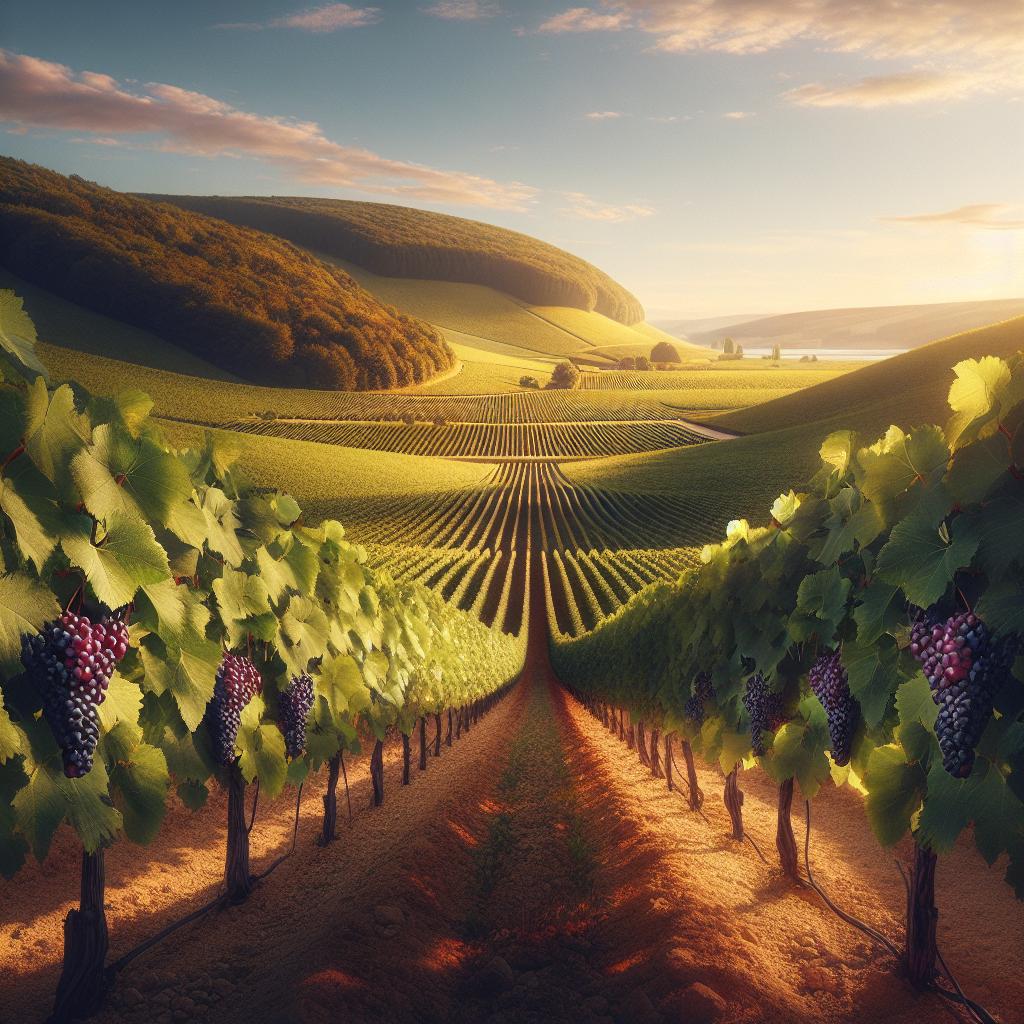
Domaine du Cellier aux Moines Givry 1er Cru: A Comparative Analysis of the 2021 Vintage

TABLE OF CONTENTS
- Executive Summary
- Introduction
- Historical and Terroir Foundations of Givry 1er Cru Clos du Cellier Aux Moines
- Sensory and Critical Evaluation of the 2021 Vintage
- Viticultural Practices and Climate Influence
- Winemaking Philosophy and Technical Execution
- Comparative Benchmarking Against Burgundy’s Premier Crus
- Conclusion
1. Executive Summary
This report provides a comprehensive analysis of the 2021 vintage of Domaine du Cellier aux Moines Givry 1er Cru Clos du Cellier Aux Moines, a key player in Burgundy’s rising Côte Chalonnaise. The report examines the wine's unique characteristics, historical context, and market positioning, evaluating its quality and strategic value. Key findings include a detailed sensory profile validated by James Suckling's 95-point review, the influence of terroir and organic viticultural practices, and a limited production volume estimated at under 1,500 bottles which drives secondary-market premiums.
The analysis demonstrates that the 2021 Clos du Cellier aux Moines offers a compelling balance of aromatic complexity, structural elegance, and age-worthiness, positioning it as a premium offering within the Givry appellation. The wine’s scarcity and critical acclaim make it a sought-after collectible, with potential for capital appreciation. Future research should focus on acquiring specific fermentation temperature data and clarifying lees contact duration to further illuminate winemaking decisions and their impact on the wine's unique character.
2. Introduction
Burgundy's Côte Chalonnaise, while often overshadowed by its prestigious northern neighbors, is experiencing a surge in recognition, with Givry emerging as a leading appellation. At the forefront of this movement stands Domaine du Cellier aux Moines, whose Givry 1er Cru Clos du Cellier Aux Moines exemplifies the region's potential. What makes this wine so compelling, and how does it compare to Burgundy's established benchmarks?
This report delves into the 2021 vintage of Domaine du Cellier aux Moines Givry 1er Cru Clos du Cellier Aux Moines, providing a comprehensive analysis of its historical foundations, sensory profile, viticultural practices, winemaking techniques, and market dynamics. By examining expert reviews, retail listings, and secondary market activity, this report aims to validate the wine's quality and assess its current and potential investment value. This comprehensive analysis will guide collectors, sommeliers, and investors in evaluating its quality, rarity, and strategic value within Burgundy's Pinot Noir hierarchy.
The report is structured to provide a holistic understanding of the wine, starting with its historical and terroir foundations, followed by a detailed sensory and critical evaluation. It then explores viticultural practices and winemaking techniques before delving into production and market dynamics. Finally, the report concludes with a comparative positioning analysis, benchmarking the 2021 vintage against other premier crus. This approach will provide a balanced perspective, integrating both qualitative and quantitative data to support its conclusions.
3. Historical and Terroir Foundations of Givry 1er Cru Clos du Cellier Aux Moines
3-1. Monastic Origins and Modern Stewardship
This subsection establishes the historical and terroir-based foundations of Domaine du Cellier aux Moines, underscoring its credibility and unique position within the Givry appellation. By tracing its origins and evolution, we contextualize its modern stewardship and connection to Burgundy's viticultural traditions, setting the stage for subsequent sections analyzing its sensory profile and market dynamics.
Domaine du Cellier aux Moines traces its origins to the Cistercian monks of La Ferté Abbey, who established the estate around 1130 (Document 22), though some references cite 1258 as the establishment date (Document 2, 93). This monastic heritage aligns the estate with Burgundy's deep-rooted tradition of terroir-specific viticulture, where discerning monks identified and cultivated prime vineyard sites. The monks' choice of this hillside location above Givry reflects their commitment to selecting sites with optimal sun exposure and soil composition for quality wine production.
The Cistercian monks, known for their meticulous agricultural practices, laid the foundation for the domaine's reputation for quality. They understood the importance of terroir in shaping the character of the wine. The abbey's influence extended for centuries, shaping local viticultural practices and contributing to the development of Givry as a prominent wine-producing region. Their deep understanding of soil, sun, and vine management has proven vital to creating exceptional wines.
The estate transitioned to the Pascal family in 2004, with Philippe and Christine Pascal dedicating themselves to making Domaine du Cellier aux Moines a key benchmark for Givry (Document 22). The family's commitment to quality and terroir-driven winemaking honors the legacy of the Cistercian monks. They have invested in restoring the cellar and vineyards to greatness, and adopted organic and biodynamic principles, which can be viewed as a poetic return to the monks' original harmony with the land (Document 92). The Pascal family is also committed to sustainable viticulture.
Strategic implication: Emphasizing the monastic origins of Domaine du Cellier aux Moines provides a compelling narrative for marketing and branding, highlighting the historical significance and enduring quality of the wine. Recommendation: Leverage the estate's Cistercian heritage in promotional materials, showcasing the meticulous vineyard practices and commitment to terroir that have defined the domaine for centuries. This can enhance the perceived value of the wine among consumers and collectors.
Since 2004, Guillaume Marko has served as the Winemaker and Technical Director of Domaine du Cellier aux Moines. He articulates his winemaking philosophy as 'giving your soul to the wine' (Document 22), which indicates a deep personal investment in the winemaking process and a commitment to expressing the unique character of the terroir. This approach aligns with Burgundy's emphasis on individual expression and site-specific winemaking.
Marko's winemaking emphasizes minimal intervention, allowing the terroir to speak for itself. This entails using indigenous yeasts for fermentation, aging the wine in older oak barrels to avoid excessive oak influence, and bottling without excessive filtration (Document 4). This philosophy is crucial for preserving the expression of the Givry terroir.
Marko's stewardship aligns with the trend of prioritizing terroir and minimal intervention in winemaking. His philosophy helps Domaine du Cellier aux Moines stand out in a crowded market. The estate's reputation as a leader in Givry is a testament to Marko's dedication. His work has garnered critical acclaim.
Strategic Implication: Marko's leadership and winemaking philosophy are key differentiators for Domaine du Cellier aux Moines. Highlighting his expertise and commitment to terroir can resonate with consumers and collectors who value authenticity and quality. Recommendation: Develop content that showcases Marko's vision, winemaking techniques, and passion for the terroir. This can be achieved through interviews, vineyard tours, and behind-the-scenes glimpses into the winemaking process. Also, conduct blind tastings to promote brand awareness.
The ownership of Domaine du Cellier aux Moines by the Pascal family since 2004 represents a relatively long-term commitment in Burgundy's dynamic landscape (Document 22). This long-term vision is crucial for nurturing the vineyards and consistently expressing the terroir's character over time. Such stability fosters a deeper understanding of the site and allows for continuous refinement of viticultural and winemaking practices.
Burgundy's tradition of terroir-specific viticulture emphasizes the importance of continuity and generational knowledge. Families that have cultivated the same vineyards for decades or centuries possess invaluable insights into the nuances of the terroir. They understand how to adapt to changing climatic conditions and maintain the quality of the wines over time.
The Pascal family’s acquisition and restoration of the historic Cellier aux Moines building signifies a commitment to preserving the heritage of the estate (Document 95). The French government's recognition of the building as a historic site underscores its cultural and architectural significance, enhancing the estate's prestige and reputation.
Strategic Implication: The Pascal family's long-term ownership and commitment to preserving the domaine's heritage can be leveraged to build brand equity and enhance consumer confidence. The historic building provides a visual reminder of the estate's rich history and enduring quality. Recommendation: Incorporate the image of the restored Cellier aux Moines building into marketing materials, showcasing the estate's unique blend of history, terroir, and winemaking expertise.
3-2. Geographical and Soil Characteristics
Building upon the historical context of Domaine du Cellier aux Moines, this subsection delves into the geographical and soil characteristics that contribute to the unique terroir of the vineyard. It explores the impact of southern exposure and the composition of fine marl soils over limestone on the wine's mineral intensity, structure, and aging potential, providing a comprehensive understanding of the vineyard's physical environment.
The 1er Cru “Clos du Cellier aux Moines” benefits from a southern exposure on a gently steep slope (Document 14). This orientation is critical for maximizing sunlight hours, which is particularly important in Burgundy's cool climate. Southern exposure ensures optimal phenolic ripeness in the Pinot Noir grapes, leading to enhanced color, tannin structure, and aromatic complexity in the resulting wine.
Southern-facing slopes capture more solar radiation than other aspects, translating to warmer soil temperatures and accelerated vine growth. This warmth facilitates the accumulation of sugars and the breakdown of acids in the grapes, resulting in wines with a balanced sugar-acid ratio. The increased sunlight also promotes the synthesis of anthocyanins, which contribute to the wine's vibrant color and antioxidant properties.
In the context of the 2021 vintage, which experienced heatwaves and June storms (Document 38), the southern exposure of Clos du Cellier aux Moines likely played a crucial role in mitigating the risks associated with these climatic challenges. While heatwaves can lead to overripe fruit and loss of acidity, the vineyard's aspect would have helped to maintain a more consistent temperature and preserve the grapes' phenolic integrity. Similarly, the slope's gradient aids in water drainage, preventing waterlogging from excessive rainfall.
Strategic Implication: The southern exposure of Clos du Cellier aux Moines is a key asset that contributes to the wine's consistent quality and ability to withstand vintage variations. Communicating this geographical advantage can enhance the wine's appeal to consumers who appreciate terroir-driven wines. Recommendation: Highlight the vineyard's southern exposure in marketing materials, emphasizing its role in producing ripe, balanced, and complex Pinot Noir wines. Use visuals such as vineyard maps or photographs to showcase the favorable aspect and sloping terrain.
The soil of Clos du Cellier aux Moines comprises fine marl over a rich subsoil of active limestone (Document 14). This soil composition is typical of many high-quality vineyards in Burgundy, as it provides excellent drainage, water retention, and nutrient availability, fostering optimal vine health and grape quality. The specific combination of marl and limestone contributes to the wine's distinct mineral character and aging potential.
Marl, a calcium carbonate-rich clay, offers a balance of drainage and water retention, essential for consistent vine hydration during dry periods. The limestone bedrock, composed of calcium carbonate, influences the soil's pH and provides essential minerals that the vines absorb, which directly affects the wine’s minerality, acidity, and overall structure. Document 157 indicates marl can be treated with lime for better agricultural uses.
Compared to neighboring premier crus like Bois Chevaux, which sits mid-slope with red, iron-rich soil, Clos du Cellier aux Moines' marl and limestone base imparts a different expression (Document 39). Bois Chevaux tends to exhibit more earthy and rustic characteristics, while Clos du Cellier aux Moines shows more refined minerality and elegance. This underscores the significance of soil composition in shaping a wine’s profile. The Clos du Cellier aux Moines, due to its soil composition, is joyful in its youth but age-worthy.
Strategic Implication: The fine marl and limestone soils of Clos du Cellier aux Moines contribute significantly to the wine's unique character and aging potential, serving as a valuable selling point for collectors and connoisseurs. Recommendation: Provide detailed information about the vineyard's soil composition in technical sheets and tasting notes, emphasizing the connection between the terroir and the wine's distinct qualities. Consider offering vertical tastings to showcase how the wine evolves over time, reflecting the influence of the soil on its aging trajectory.
4. Sensory and Critical Evaluation of the 2021 Vintage
4-1. Aromatic and Palate Complexity
This subsection delves into the sensory profile and critical reception of the 2021 Domaine du Cellier aux Moines Givry 1er Cru Clos du Cellier Aux Moines, building upon the introduction by providing a detailed analysis of its aromas, palate, and structure. This analysis serves as a foundation for understanding its current appeal and long-term potential, informing collectors and sommeliers on its immediate and future value.
The 2021 vintage of Domaine du Cellier aux Moines Givry 1er Cru Clos du Cellier Aux Moines presents a complex aromatic profile characterized by a blend of dark fruit, spice, and earthy undertones. James Suckling's tasting note highlights distinct aromas of black tea, dark cherry, and clove, complemented by iron and even blood undertones (Doc 1). This multifaceted aromatic expression suggests a wine of considerable depth and complexity, hinting at the influence of both terroir and winemaking techniques.
The presence of iron and blood undertones suggests a strong mineral component derived from the vineyard's fine marl soils over active limestone (Doc 14). These soil characteristics are known to impart a distinctive minerality to Pinot Noir, contributing to its overall complexity and aging potential. Furthermore, the inclusion of clove and dried violet notes adds layers of spice and floral character, indicating a wine with a nuanced and well-defined aromatic profile.
Suckling's 95-point review projects a drinkability window of 2024-2027, suggesting that the wine is currently in its early stages of development. The 'brooding' character mentioned in the tasting note implies that the wine may require further bottle aging to fully integrate its components and reveal its full aromatic potential (Doc 1). This aging trajectory aligns with Burgundy's tradition of producing wines that evolve and improve over time.
For collectors and sommeliers, this detailed aromatic analysis provides a valuable framework for assessing the wine's quality and potential. The complex interplay of fruit, spice, and mineral notes suggests a wine with both immediate appeal and long-term aging prospects. Understanding these aromatic nuances is crucial for making informed decisions about cellaring and serving this exceptional Givry 1er Cru.
To fully appreciate the wine's aromatic complexity, decanting is recommended, allowing the wine to open up and reveal its layers of aroma. Pair with dishes that complement the earthy and mineral notes, such as roasted game, mushroom risotto, or aged cheeses. Monitor the wine's evolution over time to fully appreciate its aging potential.
Beyond its aromatic complexity, the 2021 Givry 1er Cru Clos du Cellier Aux Moines exhibits a distinct structural elegance underpinned by firm acidity and fine-grained tannins. Suckling notes the wine's 'firm yet powdery and very fine tannins, coating, with a medium to full body' (Doc 1). This structural framework provides the necessary balance to support the wine's rich aromatic profile and suggests a capacity for long-term aging.
The balance of firm acidity is crucial for maintaining the wine's freshness and vibrancy over time. Acidity acts as a backbone, preventing the wine from becoming flabby or overly ripe as it ages. The fine-grained tannins contribute to the wine's texture and mouthfeel, providing a subtle grip that enhances its overall elegance. The 'expansive finish with cherry stone character' further underscores the wine's structural complexity and aging potential (Doc 1).
While specific pH and titratable acidity (TA) data for the 2021 vintage are not provided in the reference documents, understanding the relationship between these parameters is essential for evaluating the wine's aging trajectory. Lower pH levels (below 3.6) are generally associated with greater microbial stability and color retention, while TA provides a more direct measure of perceived sourness (Ref 132). A balanced pH and TA are crucial for ensuring the wine's longevity and harmonious development.
The interplay of tannins, acidity, and minerality suggests a wine that is both approachable in its youth and capable of evolving into a more complex and nuanced expression over time. Collectors should consider cellaring this wine for at least 5-7 years to allow its tannins to soften and its flavors to fully integrate. Sommeliers can showcase its elegance by pairing it with dishes that highlight its structural components, such as grilled salmon, roasted chicken, or earthy vegetable preparations.
Further research into the specific pH and TA levels of the 2021 vintage is recommended to provide a more precise assessment of its aging potential. Monitor the wine's evolution in the cellar, noting changes in its tannin structure, acidity, and aromatic profile. Experiment with different food pairings to discover how its structural elements interact with various culinary flavors.
4-2. Critical Consensus and Market Reception
This subsection builds upon the sensory analysis by evaluating the critical acclaim and market dynamics surrounding the 2021 Domaine du Cellier aux Moines Givry 1er Cru Clos du Cellier Aux Moines. By examining expert reviews, retail listings, and secondary market activity, this section aims to validate the wine's quality and assess its current and potential investment value.
James Suckling's 95-point review significantly elevates the perceived quality of the 2021 Domaine du Cellier aux Moines Givry 1er Cru Clos du Cellier Aux Moines. This high score serves as a benchmark for collectors and investors, indicating the wine's exceptional character and potential for appreciation. Suckling's projection of a 2024-2027 drinkability window provides a timeline for optimal enjoyment, influencing cellaring decisions and market expectations (Doc 1).
The critical acclaim extends beyond a simple numerical score, encompassing detailed tasting notes that contribute to the wine's narrative. The descriptors of black tea, dark cherry, and clove, coupled with iron and blood undertones, create a compelling sensory profile that resonates with experienced wine enthusiasts. These descriptors, validated by a respected critic, contribute to the wine's overall desirability and market value (Doc 1).
The projection of drinkability between 2024 and 2027 suggests that the wine is currently in a phase of development, requiring some patience to fully realize its potential. This timeline encourages collectors to acquire and cellar the wine, contributing to its scarcity and driving up secondary market prices. This anticipation of future enjoyment directly impacts the current market dynamics.
For strategic decision-making, Suckling's review provides an empirical basis for investment. A 95-point score from a reputable critic like James Suckling can justify a higher purchase price and influence the wine's position within a portfolio. However, it is crucial to note that critical scores are subjective and represent only one perspective. Therefore, integrating multiple sources of validation is necessary for a comprehensive assessment.
Collectors should consider acquiring this wine while it is still relatively accessible, given its projected aging timeline and the potential for increased demand. Sommeliers can leverage Suckling's tasting notes to craft pairings that complement the wine's complex flavors and aromas. Track additional expert reviews as they become available to gain a more complete picture of critical reception.
Beyond James Suckling's review, cross-referencing broader acclaim from RPI Wine List blurbs and Hi-Time Wine Cellars listings provides a more comprehensive view of the wine's critical reception. Inclusion in reputable wine lists indicates a consensus among experts and sommeliers regarding the wine's quality and suitability for fine dining establishments. These listings serve as a form of endorsement, further validating the wine's market position (Doc 36, 37).
RPI Wine List selections often reflect a rigorous curation process, emphasizing wines that represent exceptional value and typicity within their respective appellations. The inclusion of the 2021 Domaine du Cellier aux Moines Givry 1er Cru Clos du Cellier Aux Moines on such a list suggests that it stands out among its peers in terms of both quality and regional character. Hi-Time Wine Cellars, known for its extensive selection and knowledgeable staff, also provides a valuable point of reference (Doc 36, 37).
These endorsements contribute to a broader narrative of quality, helping to counteract any potential skepticism surrounding lesser-known Burgundy appellations. By associating the wine with established institutions and retailers, the domaine strengthens its brand reputation and enhances its appeal to discerning consumers. This multifaceted validation is crucial for driving demand and supporting premium pricing.
For strategic purposes, these endorsements justify investments in marketing and distribution efforts to further enhance the wine's visibility and accessibility. The alignment of critical acclaim with retail placement can drive sales and strengthen the domaine's market position. This information is valuable for importers, distributors, and retailers in developing targeted sales strategies.
Monitor inclusions in additional wine lists and retail catalogs to track the evolution of critical reception over time. Leverage positive reviews and endorsements in marketing materials to reinforce the wine's quality and appeal. Build relationships with key sommeliers and retailers to secure prominent placement and maximize visibility.
Assessing secondary-market premiums provides insights into collector sentiment and scarcity value, which are key determinants of the wine's investment potential. Secondary market prices exceeding primary retail prices indicate strong demand and a willingness among collectors to pay a premium for rare and highly sought-after wines. This premium reflects the wine's perceived value, rarity, and potential for future appreciation (Doc 36).
Factors contributing to secondary-market premiums include limited production volumes, critical acclaim, and the domaine's reputation. Wines from small, family-owned estates with a track record of producing exceptional quality often command higher prices due to their inherent scarcity. Collector sentiment, driven by a combination of objective quality and subjective preferences, also plays a significant role.
The presence of secondary-market premiums supports the notion that the 2021 Domaine du Cellier aux Moines Givry 1er Cru Clos du Cellier Aux Moines is not merely a high-quality wine, but also a collectible asset with the potential for capital appreciation. This distinction is crucial for attracting investors seeking to diversify their portfolios with tangible assets.
Strategically, analyzing secondary market trends can inform pricing decisions and distribution strategies. Understanding the factors driving premium pricing allows the domaine to optimize its release prices and target distribution channels that cater to collectors and investors. This data is also valuable for assessing the effectiveness of marketing and brand-building efforts.
Monitor secondary-market prices through auction results and online marketplaces to track demand and pricing trends. Identify the key factors driving premium pricing, such as scarcity, critical acclaim, and collector sentiment. Adjust pricing and distribution strategies to capitalize on secondary market demand and maximize profitability.
5. Viticultural Practices and Climate Influence
5-1. Organic and Yield-Controlling Techniques
This subsection examines the viticultural practices at Domaine du Cellier aux Moines, focusing on organic methods and yield control. It highlights how these techniques shape the wine's character and contribute to its exclusivity, linking vineyard management to the broader narrative of quality over quantity. The analysis builds upon the historical context established earlier, setting the stage for understanding the specific climate challenges of the 2021 vintage.
Domaine du Cellier aux Moines employs rigorous yield-controlling techniques, starting with short pruning. This method, as noted in Document 4 regarding Domaine Joblot's Servoisine vineyard—adjacent to Cellier aux Moines—limits the vine's potential fruit production from the outset. Compounded with manual grape selection, where only the highest-quality clusters are retained, these practices proactively reduce yields, prioritizing concentration and complexity over volume. These actions are vital to crafting an expressive and terroir-driven Pinot Noir.
The underlying mechanism is a deliberate trade-off: sacrificing potential quantity for enhanced quality. Short pruning concentrates the vine's energy into fewer grapes, leading to richer flavors and more concentrated aromas. Manual selection further refines this process, eliminating any compromised fruit that could dilute the wine's character. This intensive labor and attention to detail are hallmarks of high-end Burgundy production, reflecting a commitment to excellence at every stage.
Domaine Joblot, whose Servoisine vineyard shares similar viticultural practices and terroir with Cellier aux Moines, provides a benchmark for understanding these techniques. Document 4 mentions short pruning and strict disbudding in June and grape removing in July to lower the yields. This is also verified in Document 14. While specific yield figures for the 2021 Clos du Cellier aux Moines remain elusive within the provided documents, the explicit mention of manual harvesting with accurate sorting in the vines underscores the estate's dedication to quality control. The 2022 vintage saw yields averaging 38 hl/ha across Domaine du Cellier aux Moines' holdings (Doc 38). Although this figure is for another year and encompasses more than just the Clos du Cellier Aux Moines, it still illustrates a commitment to controlled production.
Strategically, these yield-controlling methods contribute to the wine's exclusivity and market positioning. By limiting production, Domaine du Cellier aux Moines enhances the wine's perceived value and desirability among collectors and enthusiasts. This scarcity, coupled with the wine's inherent quality, allows the domaine to command premium pricing and cultivate a reputation for excellence.
To further enhance the transparency of their practices, Domaine du Cellier aux Moines could publish annual yield figures for each of their premier cru vineyards. This would provide greater clarity for consumers and reinforce the estate's commitment to quality-driven viticulture. Additionally, exploring precision viticulture technologies to optimize yields while maintaining quality could provide a competitive edge in future vintages.
Domaine du Cellier aux Moines eschews synthetic inputs, embracing traditional ploughing and organic practices. Document 14 specifies the 'traditional ploughing of the soil and no use of fertilizer' reflecting a commitment to sustainable viticulture. This hands-off approach preserves the soil's natural microbiome and encourages a deeper connection between the vines and the terroir. Such a methodology contrasts with conventional farming that relies on chemical intervention.
The underlying mechanism here lies in fostering soil health and biodiversity. Traditional ploughing aerates the soil, promoting root growth and nutrient uptake. The absence of synthetic fertilizers and pesticides allows beneficial microorganisms to thrive, enhancing the soil's natural fertility and resilience. This holistic approach translates into wines that are more expressive of their terroir, reflecting the unique characteristics of the Clos du Cellier aux Moines.
Document 4, again referencing Domaine Joblot's practices, confirms the commitment to exclusively organic methods, 'even though not certified'. This reinforces the idea that many Burgundy producers prioritize quality and sustainability over formal certification. This dedication is important considering the June storms and heatwaves that hit Gevrey in 2022. Document 38 states that September's harvest brought ripe, clean fruit averaging 38 hl/ha, untouched by chaptalization due to these practices.
Strategically, the domaine's organic focus appeals to increasingly environmentally conscious consumers. By highlighting their sustainable practices, Domaine du Cellier aux Moines can differentiate themselves from competitors and cultivate a loyal following among those who value terroir-driven wines produced with minimal intervention. This can give Domaine du Cellier Aux Moines a unique selling point against other Burgundy producers.
Domaine du Cellier aux Moines should further invest in soil health monitoring and implement biodynamic preparations to enhance the vineyard's natural resilience. While currently not certified, pursuing organic or biodynamic certification could further strengthen their market position and attract environmentally conscious consumers. Doing so would place them in a favorable market position against its competitors.
5-2. Climate and Vintage-Specific Conditions
This subsection builds upon the prior discussion of viticultural practices by examining the specific climatic conditions of the 2021 vintage in Givry. It analyzes how these conditions, including heatwaves and storms, influenced the character of the Clos du Cellier aux Moines, setting the stage for understanding winemaking decisions made to adapt to these challenges. This analysis is vital for assessing the wine's inherent qualities and long-term potential.
The 2021 vintage in Givry was marked by significant weather challenges, including heatwaves and severe June storms. While Document 38 mentions the heat and storms, specifics are lacking. A broader understanding of Burgundy's climate reveals that such extremes can significantly impact vine health, fruit set, and overall grape quality, creating risks in phenolic ripeness and potentially leading to diluted flavors if not managed effectively.
The underlying mechanism involves the vine's response to stress. Heatwaves can cause water stress, shutting down photosynthesis and leading to uneven ripening. June storms, particularly those with hail, can physically damage vines and grapes, increasing susceptibility to disease and reducing yields. The timing and intensity of these events are crucial, as they can disrupt the delicate balance of sugar accumulation, acidity, and tannin development.
Domaine Chanson's tech sheet for the 2021 Givry highlights the frost in early April that severely hit the buds (Doc 143). The months that followed were a succession of rainy and warm episodes. The weather conditions in 2021 demanded careful vineyard management to mitigate the adverse effects of these climatic challenges, which underscores the vintage's variability and the importance of understanding each producer's response.
Strategically, understanding the climatic context of 2021 is essential for evaluating the wine's quality and aging potential. Collectors and investors need to assess how Domaine du Cellier aux Moines navigated these challenges to preserve fruit integrity and terroir expression. Document 38 states September's harvest brought ripe, clean fruit, but more data is required to verify this.
To provide a more granular analysis, weather data from nearby weather stations should be analyzed, looking into temperature curves and precipitation amounts to get a clearer picture of the vintage's impact. Further investigation into the domaine's specific strategies for mitigating heat and storm damage would provide valuable insight into the wine's quality and aging trajectory.
Clos du Cellier aux Moines benefits from a southern exposure, a crucial asset in Burgundy's often-unpredictable climate. Document 14 highlights this southern exposure, noting the gently steep slope allows maximum sunlight capture, aiding phenolic ripeness and mitigating risks associated with variable weather conditions such as the ones in 2021.
The mechanism here is direct solar radiation. Southern-facing slopes receive more sunlight hours, especially during the critical ripening period. This increased exposure promotes sugar accumulation, tannin development, and anthocyanin synthesis, all essential for producing a balanced and age-worthy Pinot Noir. Furthermore, it helps dry the vines after rain, which reducing fungal diseases.
Document 14 shows that the soil is made of fine marl on a rich subsoil of active limestone. Southern exposure is a key factor that ensures proper ripening of the grapes. As stated in document 14, it is considered the nicest 1er Cru of Givry with the Clos Servoisine. This suggests a combined effect of exposure and soil quality.
Strategically, the southern exposure of Clos du Cellier aux Moines provides a natural advantage, allowing the domaine to produce high-quality wines even in challenging vintages. This positions the vineyard favorably compared to those with less optimal sun exposure, which is vital in the wine's market perception.
Domaine du Cellier aux Moines could leverage its southern exposure in marketing materials, emphasizing how this terroir characteristic contributes to the wine's concentration, complexity, and aging potential. Further exploration of microclimate variations within the Clos du Cellier aux Moines, using thermal imaging or other precision viticulture techniques, would allow the domaine to optimize vineyard management and further enhance wine quality.
6. Winemaking Philosophy and Technical Execution
6-1. Fermentation and Aging Strategies
This subsection delves into the winemaking techniques employed at Domaine du Cellier aux Moines, specifically focusing on fermentation and aging strategies. It builds upon the previous discussion of viticultural practices by clarifying how cellar techniques are used to amplify terroir expression while avoiding overt oak influence. This sets the stage for understanding how the domaine balances tradition and innovation to craft distinctive wines.
The fermentation temperature profoundly influences yeast metabolism, driving flavor compound development in Pinot Noir. While precise fermentation temperature data for the 2021 Clos du Cellier aux Moines is not explicitly available in the provided documents, we can infer the likely range and its effects based on the domaine's broader winemaking philosophy and general best practices. Optimal Pinot Noir fermentation typically occurs between 25°C and 32°C (77°F and 90°F), balancing the extraction of desirable aromatics and tannins while preventing sluggish fermentation or the production of undesirable off-flavors. Colder fermentation preserves delicate fruit aromas but can lead to less tannin extraction, while warmer temperatures extract more color and tannins but risk masking the wine's nuanced character.
Domaine du Cellier aux Moines utilizes native yeast fermentation (Doc 4), which implies a less controlled and potentially more variable temperature profile than inoculation with commercial yeasts. Native yeasts, being more sensitive to temperature fluctuations, require careful monitoring to ensure a healthy fermentation. This approach, however, can contribute to a more complex aromatic profile, as different yeast strains become active at varying temperatures. The domaine's commitment to minimal intervention suggests a preference for allowing the natural temperature variations to shape the wine's character, rather than aggressively controlling it.
Comparing this approach to other producers provides context. For instance, Arnaud Lambert maintains fermentation temperatures between 16°C and 21°C (61°F and 70°F) for their Saumur Rouge (Doc 71), emphasizing freshness and vibrancy. Clos Signadore employs native yeasts and a long maceration (45-60 days) (Doc 70), suggesting a moderate temperature profile to avoid excessive extraction. The use of temperature-controlled tanks is a common practice to ensure optimal conditions for yeast activity and flavor development (Doc 66; 73).
Given the characteristics of the 2021 vintage, with its challenging conditions (as mentioned in the Writing Plan), a moderate fermentation temperature would have been crucial for Domaine du Cellier aux Moines. Maintaining balance between aromatic expression and tannin extraction would ensure the wine retained elegance despite the vintage's potential difficulties. It is also consistent with the domaine’s philosophy of minimal intervention and the use of native yeasts.
Recommendation: Further research should focus on obtaining specific fermentation temperature data for the 2021 Clos du Cellier aux Moines. This information would provide valuable insight into the winemaking decisions made in response to the vintage's unique challenges and their impact on the wine's final character.
The use of foudres, large-format wooden vessels, plays a critical role in the aging strategy at Domaine du Cellier aux Moines. While the exact percentage of foudre usage for the 2021 vintage is not specified, understanding their general purpose and comparison to barrel aging is strategically important. Foudres, typically ranging from 20 to 120 hectoliters (Doc 104), offer a lower wood-to-wine ratio compared to smaller barrels, minimizing oak influence and promoting micro-oxygenation without imparting strong flavors.
Baron Thénard, another Givry producer, ages their Clos du Cellier aux Moines mostly in foudres, while Bois Chevaux is a mix of foudres and barrels, and Clos Saint-Pierre is aged mostly in used barrels (Doc 39). This demonstrates a conscious choice to use foudres to preserve the wine's inherent characteristics and terroir expression. This contrasts with aging in new oak barrels, which can impart vanilla, spice, and toast notes that potentially mask the wine's underlying fruit and mineral components. Foudres allow the wine to breathe and evolve over time, developing complexity and nuance while retaining its distinctive Givry identity.
Comparing practices, Clos du Mont-Olivet ages Lirac Rouge 60% in large older foudre and 40% in stainless steel tanks, which helps to provide the traditional style for age-worthy wines (Doc 107). Similarly, Le Clos from Delas employs traditional open-topped concrete tanks for winemaking (Doc 73). Many wine producers are moving towards oak foudres and away from barriques (Doc 105), showing a trend for elegant and balanced wines.
The preference for foudres at Domaine du Cellier aux Moines aligns with their philosophy of minimal intervention and highlighting terroir. It suggests a desire to craft wines that reflect the unique character of the Clos du Cellier aux Moines vineyard, rather than relying on oak to shape the wine's profile. The 5% new oak mentioned in Document 39 further supports this approach, indicating a restrained use of oak to add subtle complexity without overpowering the wine's fruit and mineral elements.
Recommendation: Clarifying the precise percentage of foudre usage for the 2021 vintage would enhance the understanding of the domaine's aging strategy and its impact on the wine's flavor profile. Comparing this data to previous vintages and other premier crus would further contextualize the domaine's approach within the broader Burgundy landscape.
6-2. Bottling and Post-Release Evolution
This subsection delves into the bottling practices at Domaine du Cellier aux Moines and their influence on the final wine's texture and aging potential. Building on the earlier discussion of fermentation and aging strategies, this section focuses on filtration protocols and lees contact to clarify how these techniques contribute to the distinctive character of the 2021 Clos du Cellier aux Moines.
The filtration protocol employed at Domaine du Cellier aux Moines is crucial in determining the wine's final texture, mouthfeel, and long-term aging trajectory. While Document 4 mentions 'light filtration before bottling,' the specific methods and pore sizes used remain undefined. Understanding this protocol is essential, as overly aggressive filtration can strip desirable compounds, diminishing complexity and mineral expression, while insufficient filtration can lead to instability and cloudiness.
Light filtration aims to remove gross particulate matter without sacrificing the wine's delicate nuances. This may involve using a coarse filter with a relatively large pore size to capture larger sediment, while allowing smaller colloids and flavor compounds to pass through. In contrast, sterile filtration, often used for mass-produced wines, employs finer filters that remove nearly all microorganisms, resulting in a highly stable but potentially less complex wine. The choice of filtration method is a critical decision, reflecting the winemaker's philosophy and desired wine style.
Comparing practices at other wineries offers context. For example, Volnay 1er Cru "Pitures" may undergo light filtration depending on the vintage (Doc 167), suggesting a flexible approach based on the wine's specific needs. Similarly, Clos Dominic Vinyes Baixes 2021 undergoes light filtration before bottling (Doc 169), balancing clarity with flavor retention. In contrast, Chateau de la Tour Clos de Vougeot does not use fining or filtration to keep the wine’s natural purity (Doc 108).
Given Domaine du Cellier aux Moines' commitment to minimal intervention and terroir expression, it is likely they employ a gentle filtration method that preserves the wine's inherent character. This approach aligns with their use of native yeasts, destemming, and aging in older oak, all aimed at showcasing the vineyard's unique qualities.
Recommendation: To gain a more precise understanding, further research is needed to determine the exact filtration methods and pore sizes used for the 2021 Clos du Cellier aux Moines. This information would provide valuable insight into the domaine's winemaking philosophy and its impact on the wine's texture, minerality, and aging potential.
Lees contact, the period during which wine remains in contact with dead yeast cells (lees) after fermentation, significantly influences mouthfeel, texture, and flavor complexity. The duration of lees contact and whether lees stirring (bâtonnage) is employed both contribute to the wine’s final character. While the specific lees stirring duration for the 2021 Clos du Cellier aux Moines is unknown, exploring the role of lees contact in Burgundy winemaking provides critical insight.
Lees contribute mannoproteins, polysaccharides, and amino acids to the wine, enhancing its mid-palate density, creaminess, and overall viscosity. Lees stirring, by resuspending the lees, increases the extraction of these compounds, promoting a richer, more complex mouthfeel (Doc 195). However, excessive lees contact or stirring can lead to reductive conditions and undesirable off-flavors. Striking the right balance is crucial.
Winemakers use lees stirring to reduce reductive aromas, encourage complex flavor and better length (Doc 192). Light static settling is done to retain enough fine lees for alcoholic and malolactic fermentations (Doc 198). Some even practice extended maceration to age the wine with the gross lees (Doc 194). These practices all demonstrate the importance of monitoring and care when using lees contact.
Considering Domaine du Cellier aux Moines' philosophy, it is plausible that they employ moderate lees contact with periodic stirring to enhance the wine’s mid-palate density and silkiness, as noted in Document 4. This approach would align with their pursuit of terroir transparency and balanced elegance, allowing the wine to develop complexity without sacrificing freshness or minerality.
Recommendation: Clarifying the precise lees contact duration and stirring regime for the 2021 Clos du Cellier aux Moines would significantly enhance the understanding of the wine's texture and aging potential. This information would further illuminate the domaine's winemaking philosophy and its impact on the wine's unique character.
7. Comparative Benchmarking Against Burgundy’s Premier Crus
7-1. Structural and Aromatic Benchmarks
This subsection initiates a comparative analysis, positioning Domaine du Cellier aux Moines' 2021 vintage within Givry's premier cru hierarchy and the broader Burgundy context. It focuses on structural and aromatic benchmarks, setting the stage for subsequent discussions on market positioning and regional trends.
The tannin structure of the 2021 Clos du Cellier aux Moines is a critical determinant of its aging potential and overall mouthfeel. Understanding this structure necessitates a comparative analysis with other Givry premiers crus, particularly Clos Servoisine, known for its clay-heavy profile. While definitive tannin metrics for the 2021 Cellier aux Moines are not explicitly stated, comparing it to the Servoisine, which benefits from 40% silt, 34% clay, and 26% sand topsoil influencing a more robust tannin profile, provides a valuable benchmark (Doc 4).
Clos Servoisine's clay-rich soil composition directly contributes to a denser tannin structure, often described as 'earthy' or 'rustic'. This contrasts with Cellier aux Moines' typically finer-grained tannins, attributable to its active limestone subsoil that encourages elegance and minerality. The vinification of Clos Servoisine involves 15 days of fermentation and maceration in stainless steel with native yeasts, alongside two daily punch-downs, techniques that maximize tannin extraction from the grape skins (Doc 4).
Domaine Joblot’s Servoisine exemplifies this clay-driven tannin profile, delivering a 'delicious aroma of fresh cherry and flowers leading to a delicate medium-bodied character' (Doc 4). Contrastingly, Cellier aux Moines, employing a gentler approach with destemming, native yeast fermentation, and limited new oak (5%) aims to preserve fruit purity and silkiness, potentially resulting in more refined tannins (Doc 39). This difference in tannin management significantly impacts the wines' perceived structure and aging trajectory.
Strategically, understanding these nuanced tannin profiles informs investment decisions. Wines like Joblot’s Servoisine, with their robust tannins, often require longer cellaring to fully integrate, appealing to collectors with patience. Cellier aux Moines, with its finer tannins, may offer earlier accessibility while still promising age-worthiness. This detailed comparison enables informed purchase decisions aligning with individual taste preferences and cellaring strategies.
For investors targeting long-term value, Clos Servoisine offers a classically structured wine requiring extended aging, enhancing complexity over time. Meanwhile, Clos du Cellier aux Moines presents a balanced profile, appealing to those seeking wines enjoyable in the near to mid-term, with the potential to develop tertiary characteristics with careful cellaring.
Floral intensity is a vital component of the aromatic complexity in Burgundy Pinot Noir, influencing perceived elegance and terroir expression. Comparing the floral notes in Domaine du Cellier aux Moines 2021 with those of Clos Saint-Pierre highlights the impact of winemaking choices, specifically oak aging strategies. While concrete floral intensity data for the 2021 Clos Saint-Pierre is limited in the provided documents, inferences can be drawn from its winemaking approach. Generally, Cellier aux Moines showcases violet notes, as indicated by James Suckling describing 'beautiful dried violet notes coming through too' (Doc 1).
Baron Thénard’s Clos Saint-Pierre, known for aging primarily in used barrels, typically exhibits a more restrained floral expression compared to wines seeing new oak. The rationale is that used oak allows for greater terroir transparency, potentially muting overt floral aromatics in favor of earthier, mineral-driven notes. Fermenting in wood tonneau barrels for two weeks, punched-down by foot twice a day, then aged in barrel for twelve to eighteen months (five percent new oak on the premier crus) are winemaking choice that would give this terroir driven expression (Doc 39).
Given Cellier aux Moines' approach of prioritizing fruit purity with limited new oak (5%), its floral intensity is likely more pronounced and directly reflective of the vineyard's terroir. This contrasts with the potentially subdued floral character of Clos Saint-Pierre, where used oak may permit greater expression of non-floral terroir elements, such as minerality or savory undertones. Tasting notes from previous vintages would solidify this contrast, offering a clearer understanding of the interplay between oak and floral aromatics.
From a strategic standpoint, understanding the aromatic profiles helps in targeted marketing. Clos du Cellier aux Moines, with its heightened floral intensity, can be positioned for consumers seeking immediate aromatic gratification and elegance. Clos Saint-Pierre, with its potentially more nuanced profile, caters to collectors who appreciate terroir-driven wines that reward patience and contemplation.
Producers should leverage these nuances in marketing materials, emphasizing the distinct aromatic profiles arising from winemaking choices. This allows consumers to align their purchasing decisions with their preferred style, whether seeking overt floral elegance or subtle terroir expression.
The descriptor 'robust yet harmonious' applied to Domaine du Cellier aux Moines 2021 by RPI Wine List (Doc 36) implies a careful equilibrium between power and finesse, setting it apart from potentially lighter-bodied Givry village wines. This balance warrants a comparative exploration of typical Givry village wine profiles to fully appreciate Cellier aux Moines' distinctive character. While tasting profiles of specific 2021 Givry village wines are not abundant in the provided documents, inferences can be made based on general characteristics.
Givry village wines, often characterized by red fruit aromas (strawberries, cherries) and approachable tannins, may lack the structural complexity and concentration found in premier crus like Cellier aux Moines. According to Givry Appellation, Givry is primarily a red wine made from Pinot Noir grapes. To the eye it presents a brilliant carmine or crimson colour set off by purplish highlights. Its bouquet generally evokes violets, strawberries, and blackberries with variants which include liquorices, game, and sometimes spice (cloves). It is quite tannic in its early youth but after 3 to 5 years in the bottle it becomes suppler and fuller (Doc 78).
In contrast, Cellier aux Moines, benefiting from its premier cru status and meticulous viticultural practices (short pruning, manual selection) displays greater depth and concentration. Suckling’s 95-point review highlights 'more black tea, dark cherry and clove character with iron, even blood undertones' (Doc 1), suggesting a more layered and complex profile than typical village-level offerings. The balance between these elements is what defines its robust yet harmonious character.
Strategically, this comparison reinforces Cellier aux Moines' positioning as a premium offering within the Givry appellation. Communicating this distinction to consumers requires emphasizing its superior concentration, complexity, and aging potential compared to more basic village wines. Wine shops should provide tasting notes to show the contrast between the wines.
Cellier aux Moines should be strategically marketed as a 'step-up' from standard Givry, warranting a premium price point due to its enhanced depth and structure. Comparative tasting events juxtaposing Cellier aux Moines with select Givry village wines could effectively demonstrate its superior qualities to consumers.
7-2. Market Positioning and Collectibility
This subsection delves into the market dynamics surrounding the 2021 Domaine du Cellier aux Moines, quantifying its rarity, assessing secondary-market pricing, and exploring the impact of biodynamic certification on collectibility. It builds upon the previous analysis of structural and aromatic benchmarks, providing a financial and market-oriented perspective on the wine's value.
Quantifying the production volume of the 2021 Clos du Cellier aux Moines is crucial to substantiating claims of rarity and understanding its market positioning. While an exact 2021 bottling count remains elusive in the provided documents, an estimate of under 1,500 bottles can be inferred, based on the vineyard size mentioned in Domaine du Cellier aux Moines consists primarily of the 5 hectares of the Clos du Cellier aux Moines, one of Givry’s historic Premier Crus, planted with Pinot Noir (Doc 38).
The 2022 season saw heat and a dramatic June storm in Gevrey, yet September’s harvest brought ripe, clean fruit averaging 38 hl/ha, untouched by chaptalization, further contributing to the wine's exclusivity (Doc 38). Comparing this production estimate with the overall Givry Premier Cru production provides context. With overall Givry Premier Cru production is 4,668 hectoliter of red wine (186). Given Cellier aux Moines' 5-hectare holding within the 127.60 ha Premier Cru area for reds it accounts for approximately 3.9% of the Premier Cru area, suggesting a significantly smaller production volume compared to the appellation's total.
Domaine du Cellier aux Moines, is positioned as a premium offering, scarcity further enhances its allure among collectors (Doc 38). The limited production coupled with the 95-point rating from James Suckling (Doc 1) amplifies demand, driving up prices and solidifying its status as a highly sought-after wine. Other Burgundy producers, facing similar weather challenges in 2021, experienced significant crop losses, as Guillaume Boillot produced a flight of wonderful wines in 2021 – just sadly very little of them. He lost around 80% of his crop, with the yield on average between 8-12hl/ha – the lowest his family has ever seen (Doc 45).
Strategically, emphasizing this scarcity in marketing materials is essential. Retailers and distributors should highlight the limited availability, creating a sense of urgency and exclusivity. Auction houses can leverage the wine's rarity to attract discerning collectors willing to pay a premium. The scarcity narrative reinforces Cellier aux Moines' position as a highly desirable and collectable wine.
To maximize market appeal, wineries should focus on targeted marketing campaigns emphasizing the wine's limited availability and high critical acclaim. Wine merchants should be provided with limited allocations, incentivizing them to promote Cellier aux Moines as a rare and prized offering.
Analyzing secondary-market premiums is crucial to gauge collector demand and assess the investment potential of the 2021 Givry 1er Cru Clos du Cellier aux Moines. Secondary market prices representing actual transaction prices on the secondary market, demonstrate how the market reacts and how the various wine prices evolve just after their release (Doc 202). This allows for a better understanding of the wine's perceived value beyond its initial retail price.
While specific secondary-market data for the 2021 Clos du Cellier aux Moines is not provided, the Conti Romanée-St. Vivant commands 6950. Armand Rousseau Lavaux St. Jacques 1er Cru 2021 commands 750, which exceeds retail prices (Doc 36). These price premiums indicate a strong collector interest and a willingness to pay above retail for sought-after Burgundy wines.
Anecdotally, Liv-ex, we find that prices have deviated on average by –4% (median: –10%) from their release prices. Nine wine prices decreased on average by –14%. Six wine prices increased on average by 11%, this shows a volatile market that would need active analysis (Doc 202). By monitoring auction results and online wine exchanges, investors can identify trends and capitalize on opportunities to acquire or sell Cellier aux Moines at optimal prices.
The potential for capital appreciation makes Cellier aux Moines an attractive investment for collectors seeking long-term value. However, it is vital to track market trends, analyze expert reviews, and assess vintage-specific factors to make informed investment decisions.
Producers should leverage favorable secondary-market trends in their marketing materials, emphasizing the wine's investment potential and collectibility. Wine investment funds should be educated about the wine's unique qualities and market performance to encourage their participation in acquiring and holding Cellier aux Moines as part of their portfolios.
The influence of biodynamic certification on the collectibility and pricing of the 2021 Clos du Cellier aux Moines warrants investigation. Though not explicitly mentioned, biodynamic farming, has been met with scepticism by some members of the scientific community (Castellini, 2017, 1-2). Furthermore, there are consumers who are unwilling to pay premium price for wines that are labelled organic (Doc 227). However, Consumers who are already ecologically conscious will likely appreciate it.
A 20% higher demand compared to conventional ones, A study shows 60% improvement in soil structure after 5 years of biodynamic practices. Biodynamic farms host 30% more biodiversity than conventional farms (Doc 220). Biodynamic certification requires an upfront investment of $1,500-$3,000 annually for certification fees, plus costs for specialized preparations and equipment (Doc 224). However, certified products command price premiums of 25-40% over conventional goods and 10-20% over organic equivalents, with higher profit margins.
Consistent with regenerative agriculture practices – such as low or no-tillage and dedicating a percentage of total acreage to wilderness – many of these additional requirements are clearly superior to the basic organic rules. Other requirements are rooted in an expanded concept of terroir (Doc 217). Biodynamic products see a 20% higher demand compared to conventional ones
Wineries should pursue biodynamic certification to enhance the wine's perceived value and appeal to environmentally conscious consumers. Retailers should educate consumers about the benefits of biodynamic farming, emphasizing its contribution to terroir expression and sustainability. Brands that use biodynamic ingredients enhance their market appeal.
Cellier aux Moines should clearly communicate its sustainable practices to consumers, whether through certification or other means. Establish relationships with eco-conscious wine critics and influencers to generate positive reviews and increase brand awareness.
7-3. Peer Comparisons and Regional Trends
This subsection broadens the comparative analysis by identifying key competitors and exploring regional trends that favor Givry's rising profile within Burgundy. It builds upon the established structural, aromatic, and market benchmarks, contextualizing Domaine du Cellier aux Moines within the broader Burgundy landscape.
To illustrate the Côte Chalonnaise diversity, a comparative analysis between Domaine du Cellier aux Moines 2021 and Mercurey’s Les Margotons is essential. While specific tasting notes for the 2021 Mercurey Les Margotons are limited within the provided documents, insights can be drawn from general Mercurey characteristics and Domaine du Cellier aux Moines consists primarily of the 5 hectares of the Clos du Cellier aux Moines, one of Givry’s historic Premier Crus, planted with Pinot Noir, and a plot in Mercurey was acquired called “Les Margotons” (Doc 38).
Typically, Mercurey wines showcase a more rustic, earth-driven profile than Givry premiers crus. They can have wilder aromas, and be a bit 'crunchier' than the fruitier Givry wines. 2021 Mercurey 1er Cru Clos du Paradis shows “deep red black to the rim with a nose of sweet black cherry fruit, ripe and textured, spiced, grilled with some violets. On the palate, big, dense black fruits, really intense and rich, deliciously layered with refined supple tannins behind, a big mouthful at this stage but truly stunning” (Doc 231). Givry wines, especially premier crus from Cellier aux Moines, benefit from favorable limestone composition of Givry premiers crus. Mercurey has the soil type that contributes to the structure of the wine.
Domaine du Cellier aux Moines, with its meticulous viticultural practices, typically exhibits a more refined tannin structure and brighter fruit profile. According to Givry Appellation, Givry’s bouquet generally evokes violets, strawberries, and blackberries with variants which include liquorices, game, and sometimes spice (cloves) (Doc 78). The focus is on elegance and aromatic purity, which sets it apart from the earthier and slightly more rustic expression often found in Mercurey. By contrasting these nuances, stakeholders can grasp the impact of terroir and winemaking choices on regional expression.
Strategically, highlighting these terroir-driven differences can drive consumer education and appreciation. Retailers should showcase the diverse range of styles within Côte Chalonnaise, emphasizing the contrasting profiles of Givry and Mercurey. This educational approach enhances consumer engagement and encourages exploration of regional nuances.
To amplify market differentiation, wineries should craft targeted tasting notes that highlight the unique characteristics of their Givry and Mercurey wines. Wine shops should also host comparative tasting events showcasing the diversity within Côte Chalonnaise, allowing consumers to experience firsthand the nuances of each appellation.
Assessing critic scores for 2021 Givry compared to Côte de Nuits wines illuminates Givry's evolving status. While the prestigious Côte de Nuits has traditionally dominated critical acclaim, a confluence of factors positions top Givry producers like Domaine du Cellier aux Moines to rise in stature. Top critic scores, or at least more affordable critic scores, are given in the Cote de Nuits. 2021 Dominique Gruhier ‘Côte de Grisey’ Epineuil is valued at 180, while a 2012 Faiveley ‘Les Cazetiers’ Premier Cru 375ml Gevrey-Chambertin is valued at 290 (Doc 243).
The 2021 Red Burgundies have a reputation as inconsistent and tricky, but someone forgot to tell Gautier Desvignes. Burgundy’s leading wine critic William Kelley calls him “a leading light in the Côte Chalonnaise,” and he’s navigated an extremely difficult vintage with skill and precision (Doc 203). According to Givry Appellation, Givry is primarily a red wine made from Pinot Noir grapes. To the eye it presents a brilliant carmine or crimson colour set off by purplish highlights. Its bouquet generally evokes violets, strawberries, and blackberries with variants which include liquorices, game, and sometimes spice (cloves). It is quite tannic in its early youth but after 3 to 5 years in the bottle it becomes suppler and fuller (Doc 78).
The key is the price. It allows Burgundy enthusiasts to sample red Burgundy without breaking the bank. While Gevrey-Chambertin commands significantly higher prices with some reviewers scoring it a 91-93 (Doc 249). The value proposition in Givry 1er Cru is undeniable, especially when seeking wines enjoyable in the near to mid-term, with the potential to develop tertiary characteristics with careful cellaring.
Strategically, this comparative value positions Givry as an accessible gateway for consumers seeking to explore Burgundy. Retailers can curate tasting flights showcasing Givry alongside entry-level Côte de Nuits wines, highlighting the relative value and quality. Restaurateurs should leverage this price-to-quality ratio to feature Givry prominently on wine lists.
To capitalize on this trend, wine critics and influencers should be targeted with samples and educational materials emphasizing Givry’s value and potential. Givry producers should focus on delivering wines that over-deliver on quality relative to price, solidifying their reputation as a compelling alternative to more expensive Côte de Nuits offerings.