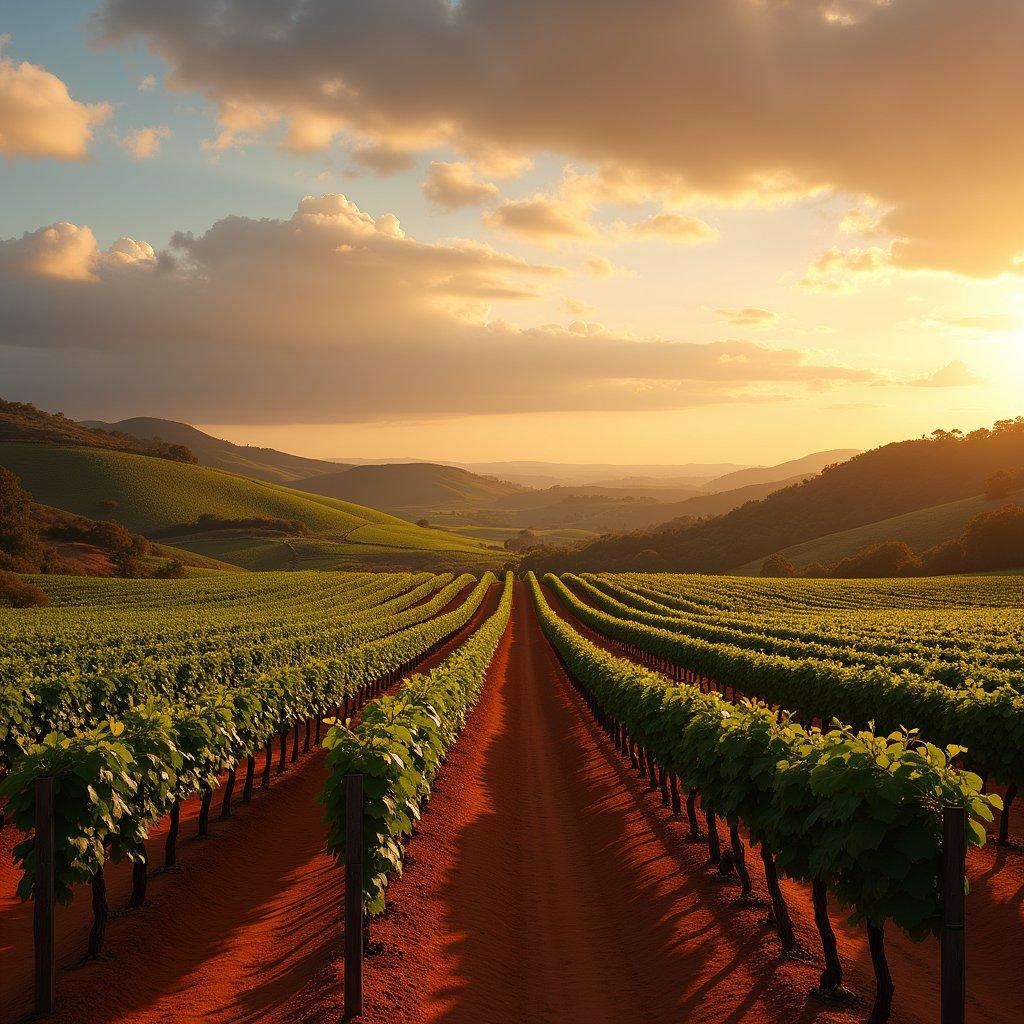
Influences of Terroir on Australian Cabernet Sauvignon: A Regional Exploration

TABLE OF CONTENTS
- Executive Summary
- Introduction
- Historical and Geographical Overview of Australian Cabernet Sauvignon
- Terroir Components Impacting Cabernet Sauvignon Across Australian Regions
- Regional Flavor Profiles and Quality Attributes of Australian Cabernet Sauvignon
- Conclusion
1. Executive Summary
This report presents a comprehensive exploration of how terroir—the intricate combination of soil composition, climatic conditions, and topography—shapes the characteristics and quality of Australian Cabernet Sauvignon wines. Beginning with a historical and geographical overview, it traces the evolution of Cabernet Sauvignon within Australia's diverse viticultural landscape, highlighting major producing regions such as Barossa Valley, Coonawarra, Margaret River, and Victoria’s sub-regions. It emphasizes how variations in climate zones and geographic features provide the contextual backdrop for complex terroir influences.
In-depth analysis of terroir components reveals significant regional differentiation in soil types, from Coonawarra’s iconic terra rossa over limestone to Barossa’s nutrient-rich sandy loams and Victoria’s diverse soil profiles. Climatic contrasts range from warm Mediterranean to cool maritime and elevated inland zones, affecting grape maturation cycles, phenolic development, and vine physiology. Additionally, microclimatic variations driven by elevation, slope aspect, and proximity to water bodies further refine terroir expression across vineyard sites.
The culmination of these environmental factors is evident in regionally distinctive Cabernet Sauvignon flavor profiles, structural balances, and quality benchmarks. The report synthesizes sensory data and expert evaluations demonstrating how terroir directly influences tannin concentration, acid retention, aroma complexity, and aging potential. By integrating scientific terroir understanding with practical wine outcomes, this study provides critical insights for viticulturists, winemakers, and industry stakeholders aiming to optimize production techniques and enhance varietal typicity in Australian Cabernet Sauvignon.
2. Introduction
Australian Cabernet Sauvignon has emerged as a pivotal varietal within the nation’s dynamic wine industry, reflecting both historical development and modern viticultural innovation. This report aims to elucidate the multifaceted influences of terroir on Cabernet Sauvignon production across Australia’s leading wine regions. By dissecting the fundamental terroir elements—soil, climate, and topography—it seeks to connect environmental variables to grapevine growth dynamics and the resulting wine expression.
The study begins by establishing historical and geographical contexts, framing the evolution of Cabernet Sauvignon in Australia and introducing the key regions renowned for this varietal. It then progresses to a detailed environmental assessment, focusing on terroir factors critical to vine health and fruit maturation. Lastly, the report correlates these scientific insights with sensory and structural profiles of the wines, supported by quality evaluations and consumer-relevant outcomes.
Through this structured approach, the report provides stakeholders with a clear and data-driven understanding of how Australian terroir governs Cabernet Sauvignon diversity. The objective is to inform viticultural and enological decisions, enhance regional wine typicity, and support strategic positioning of Australian Cabernet Sauvignon in global markets, fostering sustained quality and distinctive regional identities.
3. Historical and Geographical Overview of Australian Cabernet Sauvignon
Australia's wine industry, with roots extending back to the late 18th century, has evolved from modest colonial beginnings into a globally recognized producer of diverse and high-quality wines. While Shiraz has traditionally been Australia's flagship variety, Cabernet Sauvignon has steadily gained prominence as a key red grape, renowned for its structure, aging potential, and adaptability. Introduced in the 19th century alongside other European varieties, Cabernet Sauvignon quickly capitalized on Australia's varied viticultural environments. By the mid-20th century, it had become firmly established in several regions, reflecting both historical plantings and evolving consumer demand. Its rise parallels advancements in viticulture and winemaking techniques tailored to Australia's distinctive climate zones. Today, Cabernet Sauvignon stands as the second most widely planted red grape variety in the country, frequently blended with Shiraz or showcased as a varietal wine, underscoring its integral role in Australia's red wine portfolio and international reputation.
Australia's major Cabernet Sauvignon-producing regions are geographically and climatically diverse, each contributing to the grape’s multifaceted expression. The Barossa Valley in South Australia, historically dominated by Shiraz, has seen a growing influence of Cabernet Sauvignon, benefiting from its warm climate and deep, fertile soils to produce robust, structured wines. Nearby, the Coonawarra region is internationally acclaimed for its terra rossa soils over limestone — a defining geographic feature — which foster intense and distinctly structured Cabernet Sauvignon styles. Further west, Margaret River in Western Australia offers a maritime-influenced climate that moderates temperature extremes, supporting elegant, balanced Cabernet fruit profiles. In southeastern Australia, Victoria’s sub-regions, including Yarra Valley and Mornington Peninsula, contribute cool to moderate climates that facilitate Cabernet Sauvignon’s success in producing nuanced and refined wines. These geographically dispersed regions form the backbone of Australia's Cabernet Sauvignon production, showcasing the varietal’s remarkable adaptability across varied continental and coastal landscapes.
Australia's viticultural success with Cabernet Sauvignon is tightly linked to the country’s broad climatic zones and distinctive geographic features. The wine regions span from Mediterranean-style climates with warm, dry summers and mild winters, to cooler maritime and continental climates influenced by proximity to the ocean or altitude. These conditions regulate vine phenology, grape development, and ultimately wine style. For example, regions such as Barossa and McLaren Vale experience long, warm growing seasons ideal for full ripening, while southern and cooler parts of Victoria endure more seasonal variation, impacting harvest timing and grape composition. Topographically, Australian vineyards are situated at various elevations and aspects, influencing sun exposure and temperature profiles. Moreover, diverse rainfall patterns, moderated by geographic features like mountain ranges and coastal breezes, affect vine water stress and canopy management strategies. This mix of climatic and geographic factors provides a foundational context for understanding how Cabernet Sauvignon thrives within Australia’s unique winegrowing framework and sets the stage for in-depth terroir analysis in subsequent sections.
4. Terroir Components Impacting Cabernet Sauvignon Across Australian Regions
The unique character and quality of Cabernet Sauvignon wines across Australia are intricately shaped by the complex interplay of terroir elements—namely soil composition, climatic patterns, and topographical features. Understanding these environmental factors provides critical insight into how vine physiology and grape development respond regionally, ultimately influencing wine style potential. Dominant soil types across key Cabernet Sauvignon-producing regions such as Coonawarra, Barossa Valley, Margaret River, and Victoria exhibit marked variation. For instance, the famed terra rossa soils of Coonawarra, a well-drained, iron-rich red clay over limestone, contribute to deep root penetration and balanced water availability, promoting vine health and concentration of grape phenolics. Conversely, Barossa Valley’s soils tend to be loam and sandy loam with varied alluvial deposits, which, combined with their inherent fertility and water retention, support vigorous vine growth but require rigorous canopy management. Victoria’s viticultural landscapes present diverse soil profiles from texture contrast soils—characterized by sandy loam surfaces over dense clay subsoils—to cracking clays and fertile ferrosols, each influencing vine vigor, nutrient uptake, and ultimately fruit composition. These soil differences impact water stress levels, nutrient balance, and root development, which are foundational to Cabernet Sauvignon’s phenological progression and grape flavor precursor formation.
Climatic conditions across Australia’s principal Cabernet Sauvignon regions demonstrate significant diversity, with temperature regimes, rainfall distribution, and seasonal variability strongly affecting grape maturation cycles. Regions like Barossa Valley experience warm Mediterranean climates, featuring hot summers with peak daytime temperatures often exceeding 30°C and moderate winter rainfall localized mostly between May and September. Such conditions accelerate sugar accumulation and phenolic ripening but necessitate irrigation strategies to mitigate summer drought stress. In contrast, Margaret River benefits from a maritime-influenced climate with mild, wet winters and relatively cool summers moderated by proximity to the Indian Ocean, resulting in more balanced acidity retention and extended hang-time potential for Cabernet grapes. Victoria’s subregions encompass temperate coastal climates with moderate thermal amplitude, inland continental zones with hotter summers and cooler winters, as well as elevated areas exhibiting cooler mean temperatures and greater diurnal range. Rainfall patterns also vary considerably, with coastal vineyards receiving consistent precipitation while northern inland areas face drier conditions, often requiring supplemental irrigation to sustain optimal vine water status. Seasonal variability in rainfall and temperature influences phenological timing—from budburst to veraison and harvest—affecting grape metabolic pathways critical for flavor precursor synthesis and tannin polymerization.
Topography and microclimates exert further modulation on terroir expression by creating nuanced environmental gradients within broader geographic zones. Elevation differences, slope orientation, and proximity to water bodies or geographic features can substantially influence temperature regimes, wind exposure, and humidity levels at the vineyard scale. For example, in Victoria’s Macedon Ranges and Alpine Valleys, higher altitudes provide cooler temperatures and slower ripening periods conducive to producing Cabernet grapes with refined acidity and balanced phenolic maturity. Similarly, Barossa Valley’s rugged terrain presents varied south-facing slopes that experience cooler afternoon temperatures relative to valley floors, allowing for diverse microclimates even within small areas. In Coonawarra, the flat limestone plains underlying the terra rossa strip create a consistent terroir signature, but local variations in soil depth and drainage can still impact vine vigor and berry development. These microclimatic variations necessitate precise vineyard site selection and customized canopy management practices to optimize sunlight exposure and airflow, factors essential for managing grape health and achieving desired phenolic profiles. Collectively, the interaction of soil, climate, and topography forms a dynamic terroir matrix that critically governs vine performance and the viticultural expression of Cabernet Sauvignon across Australian regions.
4-1. Soil Types and Their Influence on Cabernet Sauvignon Development
The soil substrate within which Cabernet Sauvignon vines are rooted forms the physical and chemical foundation for vine health and berry composition. In Coonawarra, the hallmark terra rossa soil—an iron oxide-rich, well-drained red clay over limestone bedrock—provides an optimal balance of moisture retention and drainage that limits excessive vegetative growth while encouraging deep rooting responses. This induces a beneficial mild water stress that enhances secondary metabolite production, notably anthocyanins and tannins, critical for wine structure and longevity. Barossa Valley’s geology is more heterogeneous, featuring sandy loam, red-brown earths, and alluvial deposits with variable depths and fertility levels. These soils tend to be richer in organic matter and nutrients, which, while supporting vigorous growth, necessitate careful management to avoid canopy shading and diluted berry flavors. Victoria’s soils encompass a spectrum from texture contrast soils—where sandy or loamy upper horizons overlay denser clay subsoils—to cracking clays and fertile ferrosols. Such diversity influences water availability and nutrient cycling, directly affecting vine vigor, berry size, and flavor intensity. In particular, sandy soils promote stress conditions conducive to concentration of flavor compounds, whereas heavier clays can moderate drought stress but may delay ripening. Understanding soil profiles allows viticulturists to tailor rootstock selection, irrigation regimes, and nutrient management to optimize Cabernet Sauvignon development in distinct terroirs.
4-2. Climatic Patterns Governing Grape Maturation and Vine Physiology
Climate is a decisive factor shaping the phenological phases and metabolic processes of Cabernet Sauvignon vines. Australian wine regions display wide climatic variation, from the warm continental Mediterranean climate of Barossa Valley, characterized by hot dry summers and moderate winter rainfall, to the cooler maritime-influenced climates of Margaret River and parts of Victoria. In warmer zones, accelerated sugar accumulation can lead to early ripening, raising challenges around phenolic maturity synchronization and acid retention. Rainfall timing is equally critical; concentrated winter and spring rainfall replenishes soil moisture reserves necessary for balanced vine growth, whereas summer dryness reduces disease pressure but can impose drought stress impacting photosynthetic activity and fruit set. In contrast, cooler regions benefit from slower sugar accumulation and longer hang-time, facilitating complex flavor development and aromatic retention. Seasonal variability, including inter-annual temperature and precipitation fluctuations, introduces vintage variation in growth rates and grape composition. Data-driven vineyard practices such as monitoring thermal indices and evapotranspiration support adaptive management of irrigation and canopy to mitigate climatic risks and enhance desirable fruit attributes in Cabernet Sauvignon production.
4-3. Topography and Microclimates: Fine-Tuning Terroir Expression
Topographical diversity within Australian wine regions establishes critical microclimatic zones that further nuance Cabernet Sauvignon terroir expression. Elevation gradients influence temperature regimes, particularly nocturnal cooling, which affects acid retention and phenolic maturation. Vineyards situated on slopes benefit from improved air drainage reducing frost risk and promoting uniform ripening. Aspect—the orientation of vineyard slopes—modulates solar radiation exposure; north-facing slopes in the Southern Hemisphere receive intensified sunlight fostering ripeness, while south-facing slopes may preserve acidity and freshness. Proximity to maritime influences, such as coastal breezes in Margaret River or river valleys in Victoria, tempers extremes in temperature and mitigates heat stress and water loss, contributing to balanced grape development. Wind patterns also impact evapotranspiration rates and canopy microclimate, influencing disease incidence and photosynthetic efficiency. These microenvironmental factors require precise vineyard siting and tailored viticultural interventions to harness unique terroir potentials, thereby underpinning the diversity in Australian Cabernet Sauvignon wine styles.
5. Regional Flavor Profiles and Quality Attributes of Australian Cabernet Sauvignon
Australian Cabernet Sauvignon exhibits a remarkable diversity of sensory profiles that directly reflect the influence of its regional terroir, as outlined in the preceding sections. Distinct Australian wine regions – notably the Barossa Valley, Coonawarra, Margaret River, and selected Victorian sub-regions – produce Cabernet Sauvignon wines with characteristic aroma and flavor profiles that embody the interplay between grape variety and environmental factors. For instance, Cabernet Sauvignon from the Barossa Valley is typically rich and structured, displaying concentrated dark fruit aromas such as blackberry and blackcurrant, complemented by complex notes of mint, eucalyptus, and subtle dark chocolate. These flavor nuances are accompanied by firm, ripe tannins which contribute to significant aging potential. In contrast, Coonawarra Cabernet Sauvignon is internationally renowned for the pronounced mineral-driven structure lent by its iconic terra rossa soils, yielding wines of intense flavor clarity and elegance. The aromatic profile here consistently features bright blackcurrant alongside distinctive mint and tobacco nuances, underscoring terroir's tangible impact on the wine's sensory attributes. Margaret River Cabernet Sauvignon delivers a more restrained and balanced expression, where vibrant black fruit flavors harmonize with fine-grained tannins and pronounced acidity, resulting in a medium-bodied style that combines immediate approachability with cellar potential. Victorian Cabernet Sauvignons tend to reflect cooler climate vitality, presenting vibrant aromatics and a pronounced acid-tannin balance that enhances freshness and complexity. Collectively, these region-specific flavor profiles affirm how terroir modulates Cabernet Sauvignon's expression across Australia, producing a spectrum of wine styles appreciated by connoisseurs and casual consumers alike.
The structural components of Australian Cabernet Sauvignon—tannin concentration, acid balance, phenolic development, and overall mouthfeel—strongly correlate with regional terroir characteristics. Warm climate regions such as Barossa Valley, characterized by higher temperatures and longer ripening seasons, tend to produce grapes with thicker skins and higher phenolic content, resulting in wines with robust tannic frameworks and deep color intensity. These wines often demonstrate a plush texture on the palate and exhibit oxidative stability that supports extended ageing. By contrast, cooler coastal or hillside sites like Margaret River and parts of Victoria facilitate slower, more gradual grape maturation, preserving higher natural acidity and yielding wines with a tauter structure and elegant phenolic ripeness. The interplay between moderate acidity and refined tannins in these cooler climates often results in wines that maintain vibrancy and freshness over time, while also offering complexity through nuanced flavor development during bottle ageing. Coonawarra’s terra rossa soil imparts minerals and fosters balanced grape maturation, enhancing mid-palate depth and concentration without excessive astringency. Industry data and expert reviews consistently showcase that Cabernet Sauvignon wines from these terroirs reliably achieve favorable structural balance, which directly influences their aging trajectory and market valuation. Thus, structural attributes provide a critical lens through which to understand how terroir shapes not only flavor but also the longevity and quality perception of Australian Cabernet Sauvignon.
The association between terroir-influenced wine characteristics and recognized quality benchmarks is well documented through numerous expert evaluations, awards, and critic scores. For example, the Halliday Wine Companion’s 95+ point ratings frequently include prestigious Cabernet Sauvignon releases from Coonawarra and Margaret River, underscoring their exceptional varietal expression and technical excellence. Recent vintages from wineries such as Reschke Cellar Reserve (Coonawarra) have been praised for their intense blackfruit concentration, harmonious tannin integration, and complexity, validating the role of regional terroir in producing world-class wines. Similarly, Margaret River producers garner commendations for wines that demonstrate purity of fruit and ageing potential, with balanced profiles that appeal to collectors and sommeliers internationally. Barossa Valley Cabernet Sauvignons, while less prolific than Shiraz, have earned accolades for their structured richness and distinct aromatic complexity. These industry endorsements provide compelling evidence that regional terroir significantly contributes to the qualitative spectrum of Australian Cabernet Sauvignon. Moreover, the consistent success of wines from specific terroirs incentivizes winemakers to tailor viticultural and oenological practices to accentuate terroir expression, further enhancing quality and typicity. Such validation reinforces the integral connection between terroir attributes and the final consumer experience, thereby supporting informed selection and appreciation of Australian Cabernet Sauvignon across global markets.
In synthesizing these insights, it is evident that Australian Cabernet Sauvignon wines embody terroir-driven variation that manifests in distinctive flavor profiles, structural balance, and proven quality potential. Understanding these regional nuances enables viticulturists and winemakers to optimize practices that highlight each terroir’s strengths, whether through canopy management to modulate phenolic ripeness in warmer climates or through harvest timing that preserves acidity in cooler sites. For consumers, awareness of these sensory and structural markers linked to terroir enriches the tasting experience and informs purchasing decisions suited to palate preferences or cellaring intentions. Continued recognition by authoritative bodies and wine critics emphasizes the global competitiveness of Australian Cabernet Sauvignon, rooted firmly in the country’s diverse terroirs. Future research and on-the-ground innovation aimed at deepening this terroir-to-wine linkage will further enhance the sustainable production of high-quality Cabernet Sauvignon, ensuring that Australia remains a pivotal contributor on the world stage for this distinguished varietal.
6. Conclusion
The analysis presented confirms that Australian Cabernet Sauvignon’s unique character and quality are deeply rooted in the varied terroirs spanning the continent’s prominent wine regions. Each region’s combination of soil types, climatic conditions, and topographical features creates distinct environmental matrices that influence vine physiology, grape phenolic composition, and ultimately the style and aging potential of the wines produced. The terra rossa soils of Coonawarra, the fertile yet diverse soils of Barossa Valley, and the maritime-affected climates of Margaret River and Victoria’s cooler subregions collectively illustrate the breadth of terroir-driven differentiation in Australia’s Cabernet Sauvignon portfolio.
From a viticultural and winemaking perspective, understanding these terroir components is pivotal for optimizing canopy management, irrigation scheduling, and harvest timing to harness each region’s unique potential. For example, managing vigorous vine growth in the fertile Barossa soils or preserving acidity in cooler Victorian climates requires tailored interventions informed by local terroir. Such precision agriculture approaches not only enhance grape quality but also reinforce the expression of regional typicity, which has been substantiated by expert ratings and international awards recognizing Australian Cabernet Sauvignon’s excellence.
Looking forward, continuous research linking terroir attributes with grapevine metabolic responses and wine sensory characteristics will be critical in adapting to evolving climatic conditions and market expectations. Innovation in vineyard practices and enological techniques that accentuate terroir expression can sustain and elevate the global reputation of Australian Cabernet Sauvignon. In doing so, Australia's wine industry stands well-positioned to capitalize on its diverse terroirs, delivering premium, regionally distinct Cabernet Sauvignon wines that appeal to a broad spectrum of consumers and connoisseurs alike.
In summary, this report underscores terroir as the foundational pillar shaping Australian Cabernet Sauvignon’s identity and success. By integrating historical context, scientific terroir analysis, and practical wine quality benchmarks, it offers a strategic framework that supports informed decision-making and reinforces Australia’s standing in the competitive international wine landscape.