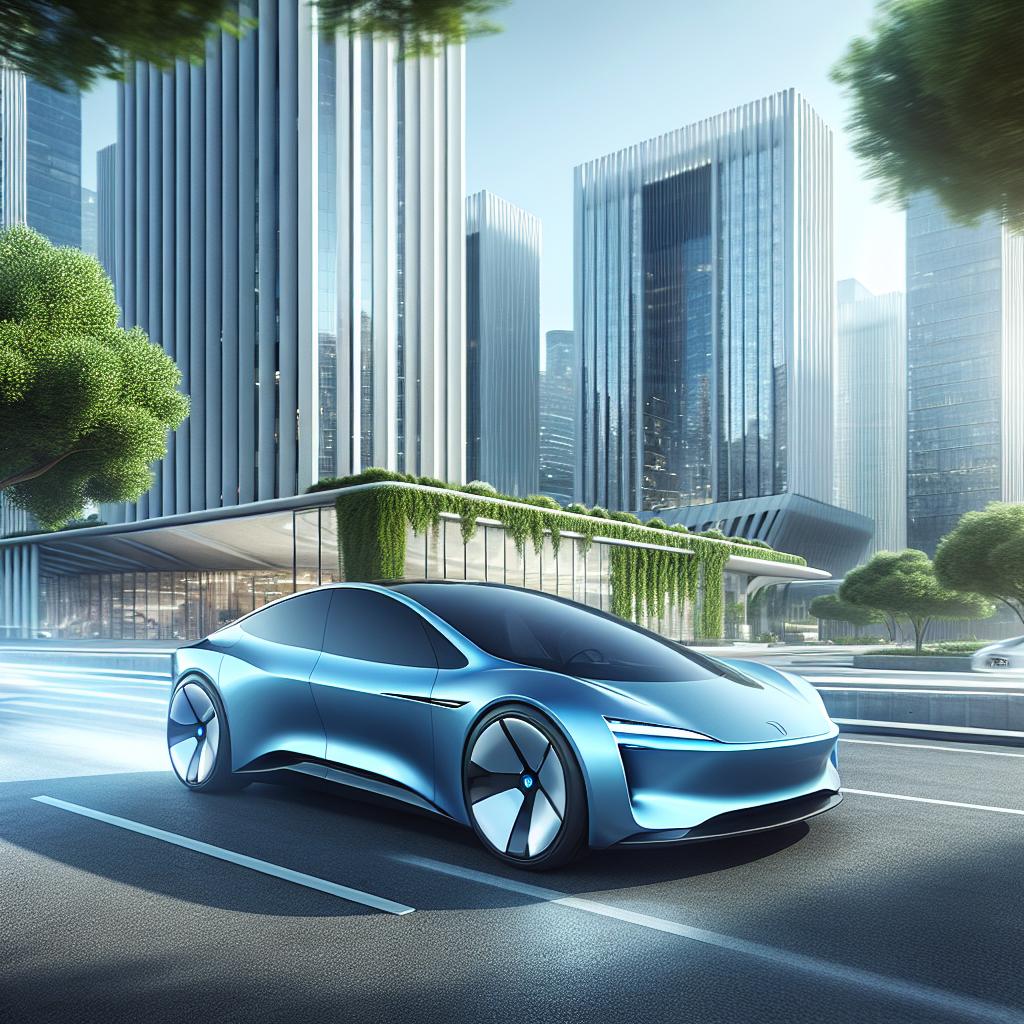
Navigating Charging Options for the Renault 5 E-Tech: Home, Public, and Fast Charging Explained

TABLE OF CONTENTS
- Home Charging Solutions
- Public AC Charging
- DC Fast-Charging via CCS
- Emerging Smart Charging Technologies
- Conclusion
1. Summary
As of August 23, 2025, the landscape of electric vehicle (EV) charging for the Renault 5 E-Tech encapsulates a spectrum of options aimed at enhancing user convenience and efficiency. The comprehensive analysis of charging solutions begins with home charging methods, specifically focusing on dedicated wallboxes, which are available in 7.4 kW and 11 kW configurations. The distinction between these options highlights that the 7.4 kW unit delivers full charges in approximately 8 hours, making it suitable for overnight recharging, while the 11 kW variant optimizes charging times to around 5.5 hours, offering flexibility for R5 E-Tech owners who may require faster turnaround times. This consideration resonates particularly with individuals having longer commutes or unexpected travel demands, thus reinforcing the significance of evaluating daily driving habits when selecting a wallbox.
In parallel, the public AC charging infrastructure has evolved significantly, resulting in the establishment of 22 kW stations, especially in urban centers. As of this date, the UK plans to install over 50,000 public EV chargers by 2027, with many being 22 kW units. This not only addresses the immediate needs of EV charging in metropolitan areas but also points to underlying regional disparities that necessitate ongoing investments in rural infrastructure. Equally critical is the understanding of charging etiquette at these public stations and the variety of payment methods available, which require drivers to familiarize themselves with local practices and systems to prevent inconveniences during their charging experiences.
Moreover, the introduction of DC fast charging via the Combined Charging System (CCS) enhances the charging capabilities for the Renault 5 E-Tech. Supporting charging rates of up to 100 kW, this option allows users to achieve 10–80% battery levels in about 30 minutes, making it an ideal solution for long-distance travel. The cost-effectiveness of this rapid charging method remains a focal point, with costs per kWh generally ranging from €0.30 to €0.60 among various networks. On the horizon, emerging technologies such as Vehicle-to-Grid (V2G) and dynamic load management promise to augment both energy efficiency and economic benefits for R5 E-Tech owners, signaling a pivotal shift toward smart charging solutions rooted in sustainability and energy responsiveness.
2. Home Charging Solutions
2-1. Recommended wallbox specifications (7.4 kW vs. 11 kW)
When considering home charging solutions for the Renault 5 E-Tech, selecting the appropriate wallbox is crucial for optimizing charging time and efficiency. Two common specifications available are the 7.4 kW and 11 kW wallboxes. The primary distinction lies in their charging speeds. A 7.4 kW wallbox can fully charge a 60 kWh battery in approximately 8 hours, which translates to overnight charging for most users. On the other hand, the 11 kW wallbox can reduce this time, completing a full charge in about 5.5 hours under optimal conditions. This reduction in charging time provides additional flexibility for R5 E-Tech owners, especially those with longer commutes or frequent travel needs. Ultimately, the choice between a 7.4 kW and an 11 kW wallbox should consider the home’s electrical capacity and the owner's daily driving requirements.
2-2. Installation considerations and costs
Installing a home wallbox involves various considerations that go beyond just purchasing the unit. Homeowners must ensure their electrical systems can support the higher loads associated with wallbox charging. This might necessitate electrical upgrades, which can add to the overall installation cost. As of August 2025, average installation costs for a home wallbox range from $800 to $1,500, depending on factors such as regional labor rates, existing electrical infrastructure, and whether any upgrades are necessary. Moreover, securing all necessary permits and adhering to local electrical codes are critical to ensuring a safe and compliant installation. Engaging professional electricians can mitigate potential installation challenges, ensuring both optimal performance and safety of the charging equipment.
2-3. Typical 0–100% charge times
The charging time from 0% to 100% greatly influences how practical home charging is for the Renault 5 E-Tech. With a 60 kWh battery, times can vary significantly based on the wallbox specification. Utilizing a 7.4 kW wallbox generally results in about 8 hours for a full charge, making it suitable for overnight recharge while the vehicle is parked. In contrast, the 11 kW wallbox can complete a full charge in approximately 5.5 hours, which allows for more flexibility if an earlier departure is required. For owners who may occasionally run low on charge during the day, understanding these typical charge times can guide their charging strategies and planning routines effectively.
2-4. Smart‐charging features and scheduling
As charging technology advances, many modern wallboxes come equipped with smart charging features that allow users to optimize their charging schedules based on energy prices and availability. These features can be particularly beneficial for homeowners who wish to take advantage of lower electricity rates during off-peak hours, thereby reducing overall charging costs. Additionally, some systems allow remote access via smartphone applications, enabling users to monitor their charging status and control their wallbox settings. Features such as scheduled charging can help maximize energy efficiency and grid support, allowing the Renault 5 E-Tech to contribute to overall energy management at the household level. With potential future integration into broader energy management systems, these smart capabilities can make home charging not just a convenience but a strategic element in sustainable energy use.
3. Public AC Charging
3-1. Availability of 22 kW AC stations
As of August 2025, public AC charging infrastructure in the UK has made significant strides, with the availability of 22 kW AC stations becoming increasingly common. The UK's commitment to enhancing its electric vehicle (EV) infrastructure is highlighted by a projected installation of over 50,000 public EV chargers by 2027, with many of these being 22 kW units. Currently, drivers can find 22 kW stations in urban areas, making rapid top-ups possible, particularly for those who need to recharge their vehicles during short stops. However, regional disparities exist; urban centers typically have better access compared to rural areas, which can result in a 'postcode lottery' regarding charger availability. This situation emphasizes the necessity for ongoing investment in both urban and rural charging solutions to cater to the diverse needs of EV users across the UK.
3-2. Charging etiquette and payment methods
Charging etiquette is crucial for maintaining a harmonious charging environment at public stations. As the number of EVs continues to rise, many drivers are encouraged to adopt common courtesies, such as only occupying charging spots for the necessary duration and making chargers available for others promptly after their vehicle has finished charging. In terms of payment methods, a variety of systems are currently in use, making it important for EV owners to familiarize themselves with the options available within their locality. Many public charging stations now offer contactless payment systems, enhanced by the recent government regulations mandating such capabilities. However, some networks still operate on a pay-per-use basis through apps or subscriptions, contributing to the need for drivers to plan their journeys and understand the costs associated with different chargers.
3-3. Average session duration at public AC points
The average session duration at public AC charging points varies based on the power output of the charger and the current state of the vehicle's battery. Generally, 22 kW AC stations can provide a significant boost to an EV's charge within a short period, allowing drivers to add sufficient range for daily commutes or immediate travels. On average, an AC charging session lasts between one to two hours for a complete charge, while many users might plug in their vehicles for shorter durations to supplement existing daytime driving. Interestingly, many drivers are willing to travel longer distances — averaging just over five miles — to access more convenient charging options. However, challenges persist regarding session durations, particularly related to equipment reliability and the potential for queues at busy stations, which has led to a call for improved infrastructure to meet growing demand effectively.
4. DC Fast-Charging via CCS
4-1. Supported DC charging rates (up to 100 kW)
The Renault 5 E-Tech supports DC fast charging via the Combined Charging System (CCS), enabling charging rates of up to 100 kW. This high charging rate facilitates faster charging sessions, significantly reducing wait times for drivers. By utilizing a dedicated DC fast charger, owners can replenish their batteries more quickly compared to traditional AC chargers, making it an advantageous option for long trips or during quick stops.
4-2. 10–80% charge in approximately 30 minutes
With its CCS compatibility, the Renault 5 E-Tech can achieve a 10–80% charge in roughly 30 minutes under optimal conditions. This rapid charging capability allows drivers to continue their journeys without extensive delays. It is particularly beneficial during travel when drivers can charge their vehicles while taking breaks, minimizing downtime and enhancing the overall efficiency of electric vehicle use.
4-3. Key CCS networks across Europe
Several robust CCS networks exist across Europe, providing extensive coverage for Renault 5 E-Tech owners. Notably, networks such as Ionity, Fastned, and Allego are pivotal in supplying fast charging options across major travel routes. These networks not only ensure connectivity in urban areas but also extend into rural regions, effectively addressing the needs of long-distance electric vehicle travel. The expansion of these networks is crucial to support the growing number of electric vehicles on the road, contributing to enhanced consumer confidence in EV range and accessibility.
4-4. Cost per kWh comparisons
As of August 2025, the cost of DC fast charging per kilowatt-hour (kWh) can vary based on the charging network and location. On average, costs range between €0.30 to €0.60 per kWh within major networks. While this pricing can be higher than home or public AC charging rates, the convenience and time savings of fast charging can often justify the costs for many users, especially during long trips. Comparison of different networks may yield varying costs, making it prudent for drivers to remain informed about pricing structures and potential membership discounts that some networks offer to reduce charging expenses.
5. Emerging Smart Charging Technologies
5-1. Vehicle-to-Grid (V2G) potential for R5 E-Tech
Vehicle-to-Grid (V2G) technology presents a significant opportunity for owners of the Renault 5 E-Tech, allowing their electric vehicles to function not only as modes of transportation but also as valuable energy storage assets. According to recent insights from battery researcher Dr. Jeff Dahn, V2G enables electric vehicles to store electricity during times of surplus generation, such as when solar energy is abundant, and return it to the grid during peak demand periods. This dynamic interaction not only supports grid stability but also offers financial benefits to EV owners. The trials conducted by the French company Ampere have illustrated that a V2G-ready Renault 5 can potentially generate around $10,000 over a decade for users by participating in these systems, which provides a compelling case for broader adoption of this technology.
The recent findings from V2G trials indicate that participants have successfully managed scheduled energy transactions through an accompanying application. This app not only allows users to monitor their vehicle's energy flow but also ensures that they maintain adequate battery charge levels to accommodate their driving needs. Furthermore, the trials demonstrated minimal battery degradation, with vehicles maintaining approximately 94% of their original capacity after ten years of V2G participation. This resilience, coupled with the potential earnings, positions the Renault 5 E-Tech as a smart choice for environmentally conscious and economically savvy drivers.
5-2. Dynamic load management at home
Dynamic load management (DLM) is emerging as a crucial feature in smart home energy systems, particularly in conjunction with electric vehicle charging. For Renault 5 E-Tech owners, DLM capabilities will optimize the use of home energy by adjusting the charging rate based on current energy demand and available resources. This means that if energy consumption in the household is high, the DLM system can reduce the charging rate of the vehicle and vice versa, allowing for a seamless and energy-efficient solution. This technology not only enhances convenience but also contributes to cost savings by making use of off-peak energy rates.
Moreover, developments in home energy management systems (HEMS) are expected to integrate V2G capabilities, further extending the benefits of smart charging. With the ability to shift energy loads intelligently between home appliances and the EV, Renault 5 E-Tech owners can maximize the use of renewable energy sources, especially when combined with on-site solar generation. Overall, DLM and HEMS play an essential role in building a sustainable energy ecosystem at home, ensuring that electric vehicle owners can make the most of their charging infrastructure while contributing to energy efficiency and reducing their carbon footprints.
5-3. Future infrastructure trends toward bidirectional charging
The future of electric vehicle charging infrastructure is increasingly leaning toward bidirectional charging solutions, which allow vehicles not only to draw power from the grid but also to send energy back. This shift will be crucial as demand for electric vehicle adoption rises. As revealed in ongoing discussions regarding infrastructure enhancements, investments are being made to develop more robust systems that support bidirectional flow, thus paving the way for technologies like V2G to flourish in urban and rural environments.
Policymakers and industry stakeholders are recognizing the need for infrastructure that accommodates bidirectional energy flows. Innovations in smart grids and charging stations capable of supporting V2G are becoming more prevalent. Such developments signify a broader trend towards integrating electric vehicles into the energy supply chain, where they serve as distributed energy resources. As cities adapt to these changes, the Renault 5 E-Tech and other upcoming EV models are likely to benefit from enhanced charging options and environmental impact, ultimately facilitating a more sustainable energy future.
Conclusion
In summary, the Renault 5 E-Tech stands out for its versatile charging options, tailored specifically to meet varying user needs. The seamless integration of home charging solutions provides both convenience and cost savings, while public AC charging expands the potential for daily top-ups, especially within urban infrastructure. Fast charging capabilities via DC stations further empower drivers to undertake longer journeys without significant delays, providing an essential balance between convenience and operational efficiency. As consumers navigate these options, it becomes increasingly important to plan aptly and leverage the diverse charging solutions available to maximize the benefits of their electric vehicle experience.
Looking toward future developments, the embrace of smart technologies such as Vehicle-to-Grid (V2G) systems and dynamic load management holds the potential to redefine the EV ownership experience. These innovations are designed not only to optimize energy usage and enhance grid support but also to offer financial incentives to Renault 5 E-Tech users. As the electric vehicle landscape continues to evolve, stakeholders must prioritize the expansion of robust charging networks that accommodate these emerging technologies, thus facilitating a transformative era in which electric vehicles become integral components of sustainable energy ecosystems. Ultimately, by actively engaging with these advancements and understanding their implications, drivers will be well-positioned to enhance their overall efficiency and contribute positively to a greener future.