Accelerating Mobility: Tesla’s 2025 Robotaxi and AI Innovations Driving Growth

TABLE OF CONTENTS
- Expanding the Robotaxi Network
- Next-Generation Full Self-Driving Upgrades
- Technological Foundations and Architecture
- Market Performance and Financial Outlook
- Challenges and Risk Factors
- Conclusion
1. Summary
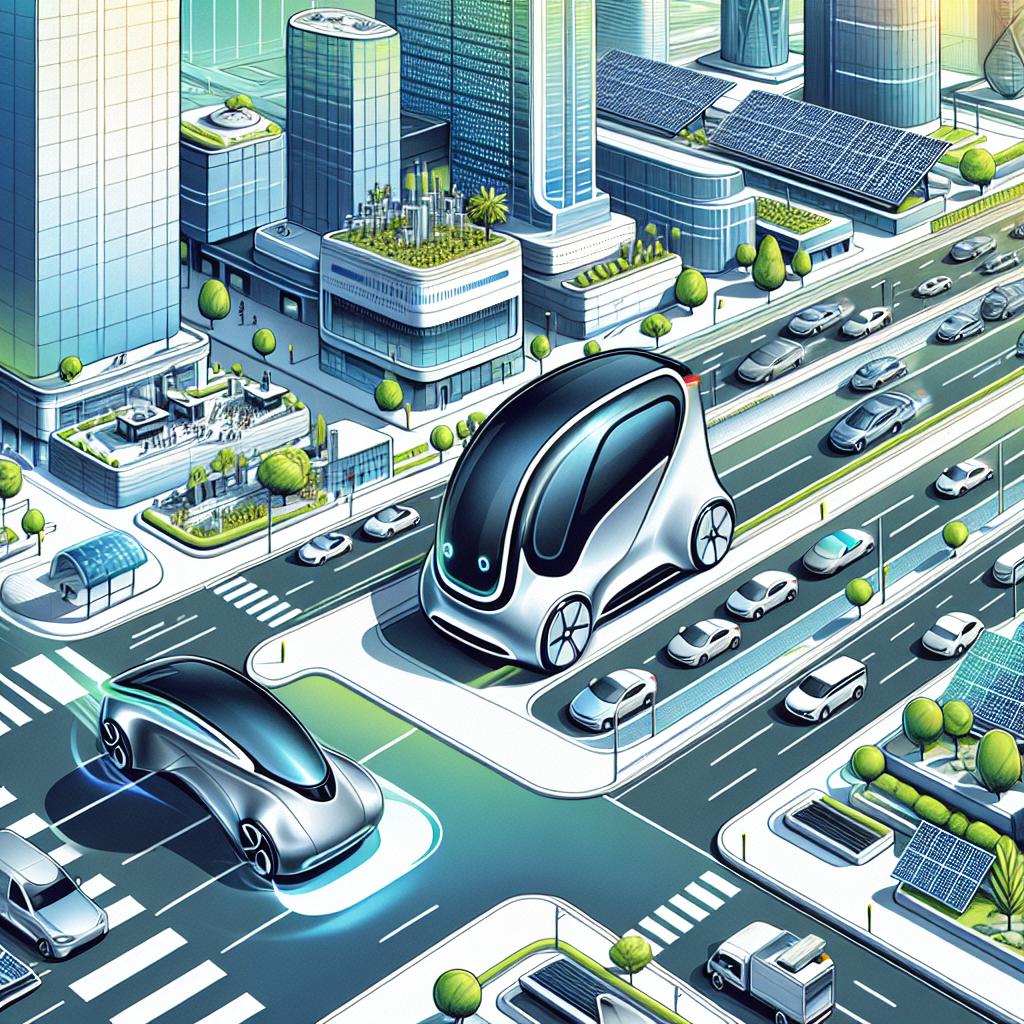
As of August 7, 2025, Tesla is exceptionally positioned at the forefront of the mobility transformation, primarily driven by its aggressive expansion of Robotaxi services and cutting-edge advancements in Full Self-Driving (FSD) technology. In cities like Austin and the Bay Area, Tesla has meticulously navigated the complexities of launching geofenced Robotaxi fleets, which have shown promising growth as they expand week-by-week. Currently, the Robotaxi network in Austin has grown significantly, rapidly expanding its coverage to nearly 80 square miles, reflecting Tesla's strategy to become a key player in the autonomous ride-hailing market. This dedication is visible in their ambitious plans to eventually scale their fleet tenfold, which encompasses critical metropolitan areas like San Francisco, New York, and Los Angeles, where demand for efficient transportation solutions remains high.
Building on this momentum, Tesla is poised to release its next-generation FSD models, which promise groundbreaking enhancements that include a tenfold increase in AI complexity and capabilities for unsupervised driving. This upcoming FSD update reflects Tesla's commitment to leveraging advanced neural networks to enhance vehicle intelligence and safety standards substantially. The integration of sophisticated software-defined vehicle (SDV) architectures underpins these innovations, allowing Tesla to maintain a competitive edge while responding rapidly to market demands. However, while the technological advancements are encouraging, Tesla's stock performance is indicative of mixed analyst sentiments, coupled with ongoing legal challenges regarding safety and trust in its autonomous technologies. Nevertheless, Tesla's innovative strategies and adaptive responses to market dynamics place the company in a favorable position for sustained growth and leadership in the electric vehicle and mobility sectors.
2. Expanding the Robotaxi Network
2-1. Initial Austin launch and early geofenced coverage
Tesla launched its Robotaxi service in Austin, Texas, in June 2025. Initially, the service was limited to a small, geofenced area and opened only to a select group of users from the company's Full Self-Driving beta testers program. The fleet comprised 10 to 20 Tesla Model Y vehicles equipped with the advanced Full Self-Driving (FSD) software. This cautious approach included human safety operators in each vehicle to monitor operations while underscoring Tesla's commitment to safety as it ventured into autonomous ride-hailing.
The launch represented a significant milestone in Tesla's ambitious plans to revolutionize urban transportation. Although carefully controlled, the early operations provided a practical demonstration of the technology in real-world conditions, marking this initiative as a pivotal first step towards broader autonomous vehicle integration. Despite facing competition from established players like Waymo, Tesla's focus on a gradual rollout allowed it to gather critical operational insights and set the stage for future expansions.
2-2. Weekly coverage expansions in South Austin
Since the initial launch, Tesla has rapidly expanded its Robotaxi service coverage. As of August 2025, the geofenced area in South Austin has grown to approximately 80 square miles, nearly matching the coverage of competitors like Waymo, who have been in the market for much longer. This recent expansion is notable as it follows two significant enlargements within just one week, showcasing Tesla's aggressive strategy in establishing a foothold in the autonomous ride-hailing market.
Such rapid expansions signal Tesla's strong confidence in its technology and market demand. With continuous improvements to vehicle systems and an emphasis on safety, the company is committed to refining its services while meeting the regulatory requirements necessary for further geographic growth. The expansion in Austin also sets a precedent for the upcoming introduction in different urban markets as Tesla aims for nationwide coverage.
2-3. Plans for Bay Area service rollout
As part of its ambitious strategy, Tesla has announced plans to launch its Robotaxi service in the San Francisco Bay Area, complementing its growing operations in Austin. The service in the Bay Area is anticipated to operate with similar safety measures in place, starting with a limited range of deployment before broadening its reach, depending on regulatory approvals.
Initial reports indicate that Tesla's coverage area here is expected to reach up to 80 miles, encompassing key metropolitan routes that are pivotal for optimizing service efficiency. The company’s strategy reflects an adaptive approach towards the diverse regulatory landscape in California, as it aims to build its presence cautiously yet swiftly in one of the country’s most significant urban markets. This rollout aligns with CEO Elon Musk's aspirational target of covering 'half the population of the U.S.' with Robotaxi services by the end of 2025, pending necessary regulatory clearances.
2-4. Tenfold fleet scale-up ambitions
Looking ahead, Tesla is making aggressive plans to scale its Robotaxi fleet significantly, aiming for a tenfold increase in its operations. This prospective growth is not just about increasing the number of vehicles but also about transforming urban commuting experiences and addressing transportation challenges posed by growing populations and traffic congestion in major cities.
Key metropolitan areas targeted for this scale-up include San Francisco, New York, and Los Angeles, cities known for their high demand for efficient transportation options. The plans are driven by advancements in artificial intelligence and enhanced vehicle capabilities, allowing Tesla's Robotaxis to navigate complex urban environments autonomously. However, as Tesla pushes forward with these ambitions, it must also navigate a myriad of challenges including regulatory requirements, public perception of safety concerning self-driving technologies, and the need for robust infrastructure to support broader service deployments.
3. Next-Generation Full Self-Driving Upgrades
3-1. 10x AI complexity enhancements
Tesla's upcoming Full Self-Driving (FSD) upgrade is set to feature a remarkable enhancement with a user-friendly 10x increase in AI complexity. This significant improvement is designed to enhance the vehicle’s decision-making capabilities, ultimately allowing for more sophisticated interactions with the driving environment. The new model will incorporate advanced neural network parameters, enabling Tesla's vehicles to process vast amounts of data more efficiently, leading to smarter route navigation and improved recognition of complex driving scenarios.
The recent announcement from Tesla highlights this stride towards enhanced vehicular intelligence, positioning Tesla not just as an automaker but also as a leader in artificial intelligence in transportation. With this upgrade, Tesla aims to elevate safety standards and reduce reliance on human input, illustrating its commitment to a fully autonomous driving future.
3-2. Model size and parameter scaling
In addition to increasing the AI complexity, the new FSD update will also involve substantial scaling of model size and parameters. This shift will allow Tesla vehicles to utilize deeper and more complex AI models better suited for real-time data processing. For example, a tenfold increase in parameters will empower Tesla's system to analyze and interpret sensory inputs with unprecedented accuracy.
Such advancements will enhance features such as object detection, obstacle avoidance, and navigation precision. It reflects Tesla’s strategy to ensure that its FSD technology not only keeps pace with expectations but also sets new benchmarks in the industry for autonomous capabilities.
3-3. Imminent unsupervised driving timelines
Looking ahead, Tesla is excited to announce its ambitious plan for launching unsupervised driving capabilities along with the new FSD model by late August 2025. This development is part of Tesla's broader initiative to gradually transition towards full autonomy, enhancing the vehicle's ability to navigate various environments without active human intervention.
While driver oversight remains critical in the immediate future, the imminent introduction of this functionality marks a significant milestone for Tesla and its customers. This shift not only aligns with the aspirational goals set by CEO Elon Musk but also indicates Tesla's intent to lead the charge toward a new era of smart mobility.
3-4. Late-August 2025 upgrade rollout schedule
The rollout schedule for the forthcoming FSD update is strategically planned for late August 2025, signaling a pivotal moment for Tesla's innovation journey. Even as the precise dates for phased releases remain to be confirmed, the excitement within the community is palpable. Beta testing will likely begin with select users, allowing the company to gather real-world data and feedback to refine the system ahead of broader public availability.
This planned rollout is not simply a change in software; it signifies Tesla's enduring commitment to refining and enhancing the autonomous driving experience. The company aims to ensure that all upgrades are not only innovative but also safe and reliable for everyday use, reinforcing Tesla’s reputation as a leader in the electric vehicle market.
4. Technological Foundations and Architecture
4-1. Embedded software evolution in Tesla vehicles
As Tesla continues to redefine the automotive landscape, embedded software has emerged as a foundational pillar, driving innovation and functionality within its vehicles. With a remarkable evolution from traditional vehicle control units to sophisticated Software-Defined Vehicles (SDVs), embedded software has become the backbone of automotive intelligence in Tesla's lineup. By integrating over 100 million lines of code for vehicle operations, Tesla leverages advanced technology in domains such as infotainment, battery management, and autonomous driving capabilities. This shift towards a software-centric architecture enables rapid development and deployment of new features, allowing Tesla to stay competitive and responsive to customer needs.
4-2. Shift toward software-defined vehicle (SDV) architectures
The automotive industry is undergoing a significant transformation as vehicles transition to Software-Defined Vehicles (SDVs), and Tesla is at the forefront of this transformation. With a focus on centralized computing and zonal architectures, the company replaces the traditional model of numerous Electronic Control Units (ECUs) with a streamlined, integrated approach. This shift not only reduces wiring complexity and weight but also enhances vehicle performance and user experience. As highlighted in recent reports, Tesla's investment in SDV technology positions it to lead the market, creating opportunities for innovations such as over-the-air (OTA) updates and enhanced autonomous features.
4-3. Neural network training pipelines and AI infrastructure
At the heart of Tesla's autonomous driving capabilities lies a robust AI infrastructure powered by advanced neural networks. Tesla employs a unique training pipeline that processes vast amounts of real-world driving data collected from its expansive fleet. This data not only fuels the continuous learning of its neural networks but also enables the AI to adapt and respond to various driving scenarios, including edge cases that are often overlooked in simulated environments. By removing radar and relying solely on camera-based vision systems, Tesla emphasizes its confidence in machine learning and visual data interpretation, a strategy that significantly enhances vehicle responsiveness and autonomy.
5. Market Performance and Financial Outlook
5-1. 2025 stock price volatility and analyst sentiment
As of August 2025, Tesla's stock price has experienced considerable volatility, reflecting mixed sentiments among analysts about its short-term and long-term prospects. According to a report from 24/7 Wall St., Wall Street analysts have set a cautious median target for Tesla's stock at $305.37, suggesting a potential decline from its current market valuation. In contrast, the more optimistic perspective from 24/7 Wall St. sets a higher target of $352.99, aligning with predictions of substantial revenue growth driven by Tesla's innovations and expanded market reach. Analysts' split opinions highlight the uncertainties that Tesla faces in a rapidly evolving electric vehicle (EV) landscape and contribute to a complex tapestry of market expectations for the company.
5-2. SWOT analysis: strengths, weaknesses, opportunities, threats
Tesla's current market position can be analyzed through a SWOT framework. The strengths of Tesla include its strong brand recognition, innovations in electric vehicles and autonomous driving technology, and its robust vertical integration strategy, which enhances operational efficiency. However, weaknesses are evident in the recent drop in consumer preference, particularly in the U.S., where Tesla's top choice among consumers has decreased from 38% to 29% compared to other brands, including established luxury automakers and driving competitors such as BYD in China. Opportunities lie in Tesla's pivot toward autonomous driving and AI technology, particularly with the upcoming Robotaxi service launch. Market analysts suggest that this segment could unlock tremendous value, with some projections indicating an additional valuation of $1 trillion. On the flip side, threats arise from increasing competition in the EV market, regulatory challenges, and a risk of market saturation in key segments, indicating a crucial period of adjustment for Tesla amidst shifting landscapes.
5-3. Growth projections tied to autonomous services
Looking ahead, Tesla's growth projections are intimately tied to its advancements in autonomous driving technology. The company estimates a remarkable increase in revenue, projecting a rise from approximately $112 billion in 2025 to around $297 billion by 2030. This growth is expected to result from an enhanced deployment of its Full Self-Driving (FSD) systems and the launch of robotaxi services, which analysts see as pivotal for Tesla's future growth trajectory. However, achieving these ambitious targets is contingent on successfully navigating several obstacles, including increased competition from traditional automakers and new startups, as well as potential regulatory hurdles that could impact the rollout and adoption of autonomous services. Maintaining its innovative edge will be critical as Tesla seeks to drive adoption and capture new markets.
6. Challenges and Risk Factors
6-1. Shareholder lawsuit over Robotaxi safety claims
As of August 2025, Tesla faces a significant shareholding lawsuit that questions the safety of its Robotaxi technology. Shareholders allege that the company misrepresented the readiness and safety of this autonomous driving feature. The legal action underscores concerns regarding the communications from Tesla regarding its autonomous capabilities. This lawsuit could not only impact Tesla's reputation but also affect investor confidence as it may set a precedent for how companies engage with public safety claims.
6-2. Autopilot legal liabilities and $240 million reckoning
Another pressing concern for Tesla is the financial repercussions stemming from legal liabilities associated with its Autopilot technology. A recent Miami jury has found Tesla partially liable for a tragic crash in 2019, awarding over $240 million in damages to the victims' families. This landmark case highlights potential accountability issues for autonomous systems and suggests a shift toward increased legal scrutiny of autonomous driving technologies. The verdict emphasizes the importance of clear communication from manufacturers about the capabilities and limitations of such technologies, which could greatly influence the public's perception and acceptance of Tesla's innovations.
6-3. Public trust and regulatory scrutiny
Public trust in Tesla's autonomous technologies is increasingly fragile, especially in light of heightened regulatory scrutiny. Given the negative implications of recent lawsuits and legal judgments, there is a necessity for Tesla to reinforce its commitment to safety and transparency. Increased regulations could affect Tesla's ability to expand its Robotaxi and Autopilot services. The company must navigate these challenges by building public confidence through improved communication, stringent safety measures, and consistent performance. This proactive stance is critical not only for retaining customers but also for paving the way for future innovations and broader acceptance of autonomous technology.
Conclusion
Tesla's journey in 2025 illustrates a decisive commitment to redefining how urban mobility is perceived and enacted through its Robotaxi services and advanced Full Self-Driving technologies. The swift expansion of Robotaxi operations, particularly in Austin and planned launches in the Bay Area, highlights not just Tesla's operational prowess but also its determination to lead the autonomous vehicle revolution. The impending FSD upgrades are set to redefine autonomy standards, marked by a significant leap in AI capabilities that will empower Tesla vehicles to navigate traffic with unprecedented intelligence and safety.
Despite current hurdles, including stock volatility and growing legal scrutiny, the integration of sophisticated embedded software within a software-defined vehicle architecture prepares Tesla for an era of exponential growth. Looking ahead, it will be crucial for all stakeholders, from investors to consumers, to monitor the evolving regulatory landscape as Tesla strives to implement its ambitious roadmap. Future prospects hinge on continued investment in AI infrastructure and strategic partnerships with city planners to optimize battery technologies and enhance service efficiencies. By embracing these initiatives, Tesla is not merely adapting to changes in the transportation sector but is also setting the stage for a future where mobility services not only thrive but become a central pillar of global transport economies.