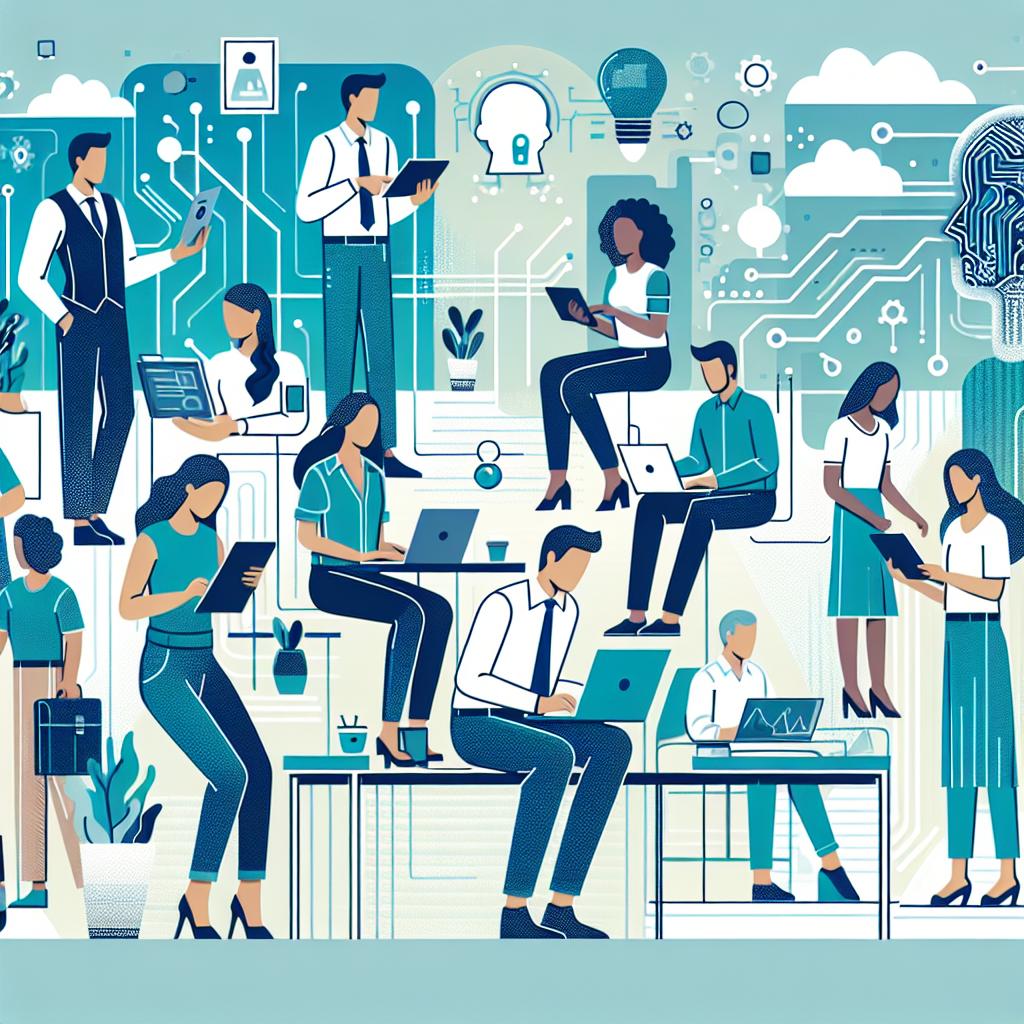
AI-Driven HR: Trends, Strategies, and Ethical Considerations for 2025

TABLE OF CONTENTS
- AI’s Impact on Recruitment and Talent Acquisition
- Enhancing Employee Engagement and Wellbeing with AI
- Ensuring Safe and Ethical AI Adoption in HR
- Strategic Integration of AI into HR Governance
- Future Outlook: Emerging Trends and Workforce Resilience
- Conclusion
1. Summary
As of August 29, 2025, the landscape of Human Resources (HR) is witnessing a profound transformation, fundamentally driven by the integration of Artificial Intelligence (AI). This evolution is reshaping recruitment and talent acquisition, enhancing employee engagement and wellbeing, while simultaneously raising new governance and ethical considerations. Notably, organizations have implemented AI tools to optimize candidate screening and matching processes, marking a decisive shift away from traditional keyword-based approaches. By analyzing extensive datasets swiftly, companies like Paycor have demonstrated that AI can improve both the speed and accuracy of recruitment outcomes, with over 64% of businesses utilizing AI primarily for such purposes. Moreover, the automation of interviewing through AI chatbots has streamlined candidate engagement, significantly alleviating the workload on HR professionals, allowing them to concentrate on strategic elements such as cultural fit and decision-making in hiring. Furthermore, AI has established itself as a critical player in data-driven talent analytics that predict retention rates and identify skill gaps, enabling organizations to allocate training resources effectively. For example, PepsiCo’s initiatives in leveraging AI for forecasting turnover and recommending personalized development opportunities exemplify the strategic advantage that such technologies afford. The trend towards personalized wellness programs, facilitated by AI algorithms, illustrates an important leap in employee care, directly addressing unique health needs and leading to tangible improvements in morale and productivity. Conversely, predictive analytics are now being employed to monitor employee stress and potential burnout proactively, enabling HR teams to deploy timely interventions. In the realm of governance, the pressing focus on ethical AI adoption is underscored by the challenge of maintaining data privacy and compliance. Recent probes have illustrated that employees often inadvertently expose sensitive data to AI applications, highlighting the necessity for organizations to implement stringent data handling policies. Moving forward, efforts to embed AI within HR strategies will not only redefine operational frameworks but will also ensure collaborative approaches to governance. Key to this strategy is fostering a culture that prioritizes cross-functional AI competency, integrating diverse skillsets and perspectives to reinforce innovation and adapt to the changing workforce landscape.
2. AI’s Impact on Recruitment and Talent Acquisition
2-1. AI-Powered Screening and Applicant Matching
The implementation of AI in recruitment has notably enhanced the candidate screening and matching processes. Organizations are utilizing AI tools to analyze extensive datasets quickly, allowing HR professionals to identify the most suitable candidates efficiently. These tools leverage natural language processing (NLP) to assess resumes against job descriptions more accurately than traditional keyword searches. For instance, Paycor’s AI enhancements in recruitment have facilitated the rapid processing of thousands of applications, improving the speed and accuracy of candidate selection. This trend is corroborated by reports indicating that over 64% of companies using AI for HR data leverage it primarily for recruitment purposes. Furthermore, challenges associated with bias in hiring practices have seen improvements; AI can help reduce unconscious biases by employing algorithms designed to assess candidate qualifications objectively, ultimately fostering a more diverse applicant pool.
2-2. Automated Interviewing and Assessment Tools
Automated interviewing and assessment tools powered by AI are becoming standard in many recruitment strategies. These AI systems not only schedule interviews but also conduct initial screening conversations with candidates via chatbots, which can engage in natural dialogue, gather preliminary information, and answer candidate queries instantaneously. This capability is reflected in the offerings from organizations like LinkedIn, which have streamlined the recruitment process by providing AI tools that automate initial candidate engagement and feedback processes. This technology significantly reduces the workload on HR staff, allowing them to focus on more critical functions such as assessing cultural fit and making final hiring decisions. As of mid-2025, this automation has proven essential in preventing talent loss, as candidates often choose to accept offers from companies that maintain a swift, organized recruitment process.
2-3. Data-Driven Talent Analytics
The integration of data-driven talent analytics within recruitment processes has revolutionized how organizations approach human resource management. By leveraging AI, HR teams can analyze employee data to predict retention rates, identify skills gaps, and allocate training resources effectively. For instance, companies like PepsiCo have implemented AI tools that not only forecast turnover but also recommend personalized training opportunities tailored to employees' career aspirations. Furthermore, analytics tools can provide real-time insights into the effectiveness of recruitment strategies, allowing HR leaders to make informed adjustments to their methods. Reports indicate that AI utilizes behavioral data and historical trends to optimize talent acquisition, demonstrating a significant transformation in the approach to workforce management where data informs every decision.
3. Enhancing Employee Engagement and Wellbeing with AI
3-1. Personalized Wellness Programs
The integration of AI in creating personalized wellness programs marks a significant advancement in human resource management. These programs utilize individual employee data to tailor wellness initiatives that directly address unique needs and preferences. As highlighted by recent industry practices, organizations are employing AI algorithms to assess various aspects of employee health, including emotional, physical, and financial wellbeing. For instance, AI-driven platforms can analyze assessment results and behavioral patterns to recommend specific interventions, such as flexible working hours, mental health resources, or personalized fitness plans. This individualized approach not only promotes employee satisfaction but also leads to reduced absenteeism and enhanced productivity. Companies are increasingly recognizing that when employees feel seen and supported, their morale and commitment to the organization's goals significantly improve.
3-2. Predictive Stress and Burnout Monitoring
Predictive analytics powered by AI is transforming how organizations monitor stress levels and potential burnout among employees. By systematically analyzing data such as work hours, task completion rates, and employee feedback, AI tools can identify early signs of burnout before it becomes detrimental to employee wellbeing. For example, platforms that aggregate performance and engagement data can highlight trends, such as increased absenteeism or declining productivity, which may signal an employee's risk of burnout. This proactive monitoring allows HR teams to implement support strategies, such as mental health days or employee assistance programs (EAPs), tailored to individual needs. As evidenced by companies like PepsiCo, which connects employee training with wellbeing initiatives, such interventions have demonstrated effectiveness in reducing attrition and boosting overall engagement.
3-3. Employee Voice and Engagement Platforms
The power of employee voice is being amplified through AI-enabled engagement platforms that facilitate continuous feedback mechanisms. Organizations are leveraging technology to create environments where employee opinions are not merely collected but actively sought out and acted upon. Studies have shown that workplaces fostering higher employee involvement in decision-making processes exhibit increased engagement and performance. This aligns with findings from Zight, indicating that organizations that prioritize employee input are significantly more likely to thrive. Tools that facilitate anonymous surveys, feedback loops, and real-time sentiment analysis help assess employee satisfaction and involvement levels. As noted by current practices in various sectors, building a culture of co-creation where employees feel their contributions matter can dramatically enhance their sense of belonging and fulfillment in the workplace. Leaders must ensure that feedback is genuinely considered and that employees can see tangible changes resulting from their input, creating a more engaged and motivated workforce.
4. Ensuring Safe and Ethical AI Adoption in HR
4-1. Data Privacy and Compliance in HR AI
As artificial intelligence (AI) becomes integrated into Human Resources (HR) practices, the emphasis on data privacy and compliance has intensified. Organizations are challenged to safeguard employee data effectively while leveraging AI solutions that process sensitive information. Key to this effort is ensuring adequate controls are in place, which includes not just relying on technology but also fostering an organizational culture that values data security and transparency. Recent observations indicate a growing tendency among employees to share sensitive personal data with AI applications, resulting from a lack of awareness or inadequate guidelines. This issue highlights the need for HR to educate employees about the implications of their data usage and the risks associated with unauthorized sharing. Organizations are urged to implement comprehensive data handling policies that clarify what data can be shared with AI tools and under what circumstances, thereby ensuring compliance with legal requirements and protecting employee trust.
4-2. Bias Mitigation and Fairness Controls
The integration of AI in HR raises significant concerns about bias and fairness in decision-making processes. Algorithms can inadvertently reflect and perpetuate historical biases present in training data or organizational practices. Consequently, HR leaders must prioritize bias mitigation strategies when deploying AI tools for recruitment, performance evaluation, and other HR functions. Current best practices include regular audits of AI models for bias, using diverse datasets for training, and implementing transparency protocols that allow employees and candidates to understand how decisions are made. Organizations are encouraged to foster an ongoing dialogue about fairness in AI, involving stakeholders from different levels to ensure diverse perspectives inform decision-making. Keeping bias at bay is not just a regulatory requirement but a fundamental aspect of maintaining organizational integrity and employee morale.
4-3. Security Best Practices for HR Technologies
With the rapid adoption of AI technologies in HR, ensuring security best practices is paramount. Given the sensitive nature of HR operations, organizations must navigate the complexities of safeguarding AI tools against potential threats effectively. Key strategies include comprehensive visibility of AI utilization across various departments, which helps organizations understand and control their AI landscape. This approach is critical to managing the risks associated with 'shadow AI', where employees utilize unapproved AI tools without oversight. Incorporating contextual risk assessments is crucial, as not all AI applications pose equal threats. Organizations are advised to categorize AI tools based on their security implications and establish clear access controls that align with organizational regulatory standards. Continuous monitoring and updating of security protocols can help organizations stay ahead of emerging threats and ensure that AI adoption does not compromise organizational integrity or employee safety.
5. Strategic Integration of AI into HR Governance
5-1. Embedding AI in HR Strategy and Governance
The integration of Artificial Intelligence (AI) into HR governance frameworks is becoming increasingly essential as organizations evolve in the face of digital transformation. According to a recent study by HFS Research and LTIMindtree, 51% of enterprises plan to elevate AI's importance to the C-suite or board level, signaling a significant shift in how organizations perceive and implement AI governance. This trend signifies that AI is being recognized not merely as a technological tool, but as a central component of strategic governance that drives overall business performance. Embedding AI into HR strategy involves aligning AI initiatives with broader organizational goals to catalyze innovation and cultural change. To achieve this, HR leaders must actively engage with other departments to ensure a cohesive strategy that fosters collaboration and leverages diverse perspectives. By weaving AI into the fabric of HR governance, organizations can redefine their operational frameworks and better respond to the dynamic workforce landscape.
5-2. Building Cross-Functional AI Competency
Building a cross-functional AI competency within organizations is paramount for harnessing the full potential of AI technologies. This competency encompasses not only technical skills but also an understanding of ethical implications, data governance, and change management practices. The recent findings underscore a move toward organizations seeking niche or non-traditional AI partners, indicative of a need for expertise that extends beyond just IT departments. By fostering cross-functional teams that include HR, IT, data scientists, and business leaders, organizations can create a holistic approach to AI adoption that resonates with diverse stakeholders and promotes a culture of shared responsibility. Furthermore, fostering an understanding of AI across functions ensures that all employees are equipped to contribute to AI-powered initiatives actively. Employee training programs focused on AI literacy can help demystify AI technologies and drive engagement, enabling all team members to participate in governance and decision-making processes.
5-3. Measuring ROI and Strategic Value
An essential facet of strategic integration is the measurement of return on investment (ROI) and strategic value derived from AI initiatives. Traditional success metrics focused on internal productivity are increasingly being replaced by measures that assess ecosystem impact, customer relevance, and time-to-insight. Organizations must develop frameworks that not only track immediate output from AI applications but also evaluate their long-term contributions to business transformation and employee satisfaction. The exploration of new metrics signifies a shift in perspective, where AI is viewed not only as a driver for efficiency but as a crucial enabler of strategic innovation. Metrics should be established collaboratively across departments, ensuring alignment with organizational objectives and providing comprehensive insights that reflect the actual value generated by AI technologies within HR governance.
6. Future Outlook: Emerging Trends and Workforce Resilience
6-1. Agentic AI for Adaptive Talent Management
As organizations strive to navigate the complexities of modern business environments, the integration of agentic AI into talent management is poised to revolutionize the way HR professionals approach workforce planning. This technology, which leverages intelligent agents capable of context-aware decision-making, is becoming increasingly essential for enhancing workforce resilience. By enabling HR departments to build adaptive talent strategies, agentic AI facilitates more proactive recruitment, retention, and workforce management processes. Companies can utilize these tech systems to automate tasks while remaining responsive to market dynamics, thus enhancing the stability of their workforce amid disruptions.
Agentic AI functions not just as an oversimplified tool, but as an ecosystem of specialized agents that coordinate seamlessly to support various HR functions. For instance, these agents can analyze both internal metrics—such as hiring needs and employee performance—and external factors, including labor market shifts and global economic conditions. The implications for resilience are profound, allowing organizations to adjust their workforce strategies dynamically rather than reliance on historical data alone. Organizations using agentic AI have reported significant efficiencies, such as reduced time spent on routine tasks, which frees HR professionals to focus on strategic initiatives related to talent development.
6-2. Resilience Through Continuous Learning Systems
Continuous learning systems are emerging as a critical component in building workforce resilience, driven by the understanding that lifelong learning is necessary in a rapidly changing job landscape. Organizations are increasingly adopting AI-enhanced learning platforms that provide personalized training pathways for employees, adapting content based on individual performance and career aspirations. This shift towards continuous learning not only fosters individual growth but also enhances the overall adaptability of the workforce, ensuring that employees are equipped with the skills needed to meet evolving business demands.
Research indicates that organizations with robust continuous learning frameworks tend to exhibit higher employee engagement and lower turnover rates. By investing in such systems, companies can fortify their resilience against external shocks, such as economic downturns or technological disruptions. Training programs facilitated by AI can identify skill gaps in real-time and create customized learning experiences. This proactive approach to upskilling ensures that employees not only meet their current job requirements but are also prepared for future challenges.
6-3. Emerging AI Roles and Skills in HR
The integration of advanced AI technologies in HR is giving rise to new roles and skill sets that are essential for optimizing human capital management. As organizations become increasingly reliant on AI for strategic decision-making, the demand for professionals skilled in AI ethics, data analytics, and machine learning is expected to grow significantly. These roles require a hybrid set of skills that combine technical proficiency with a deep understanding of human behaviors and workplace dynamics.
Moreover, the emergence of AI tools necessitates a shift in the traditional HR skillset towards a more strategic and data-driven approach. HR professionals must be proficient not only in managing people but also in interpreting data insights generated by AI systems to inform their decisions about recruitment, performance evaluation, and employee engagement. Developing these competencies will be essential for HR teams aiming to harness the full potential of AI and ensure that its implementation aligns with organizational values, ultimately leading to enhanced workforce resilience.
Conclusion
In summary, as of August 29, 2025, AI has emerged as a pivotal force in the HR domain, transitioning from a supplementary role to a fundamental component of strategic operations. The substantial impact of AI on talent acquisition, employee wellbeing, and ethical governance speaks to its centrality in contemporary HR practices. Organizations that successfully implement robust privacy measures, bias mitigation strategies, and transparent governance frameworks are not merely reacting to changes—they are proactively cultivating significant improvements in productivity and workforce engagement. Furthermore, the progressive integration of agentic AI and continuous learning avenues presents exciting prospects for enhancing workforce resilience amid growing economic and technological challenges. Looking ahead, HR executives must prioritize investment in AI literacy initiatives to familiarize their teams with these technologies and establish clear ethical guidelines that ensure responsible AI usage. Aligning AI endeavors with overarching business objectives will empower organizations to harness the myriad opportunities that AI presents, thereby positioning themselves advantageously within the rapidly evolving work environment. With a focus on adaptive skill sets and strategic implementations, HR leaders have the potential to redefine the future of work in a landscape increasingly shaped by the capabilities of artificial intelligence.