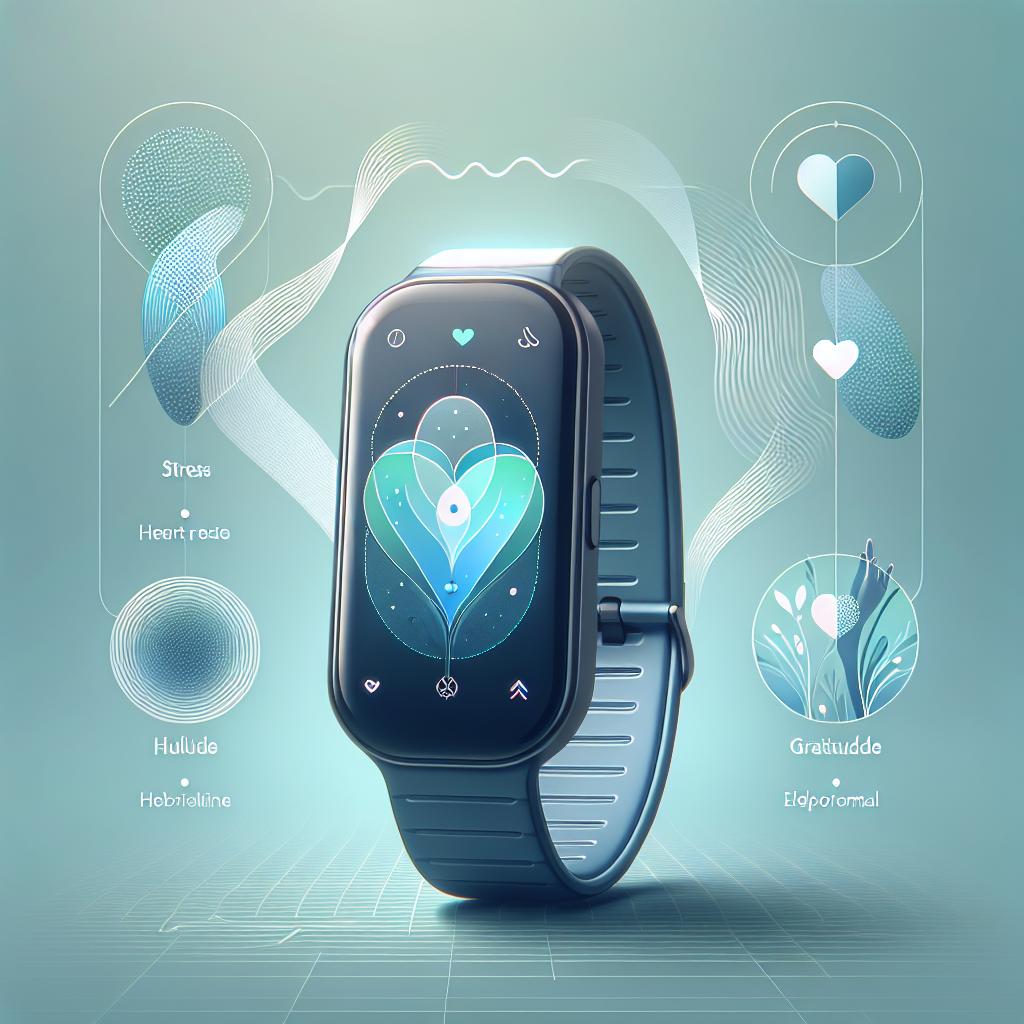
Wearable Bio-Mental State Monitoring: A Roadmap for Ethical and Effective Device Development

TABLE OF CONTENTS
- Executive Summary
- Introduction
- Neurophysiological Foundations: Translating Mental States into Measurable Signals
- Materials and Hardware Breakthroughs: Seamless Integration of Stretchable Electronics
- Signal Processing Pipelines: Adaptive Filtering and Entropy-Based Classification
- Ethical and Regulatory Frameworks: Privacy-Preserving Deployment
- Quantum-Enhanced Signal Processing: Spintronics and Magnon-Based Computing
- Market and Competitive Analysis: Consumer vs. Clinical Wearables
- Implementation Roadmap: From Prototype to Global Deployment
- Conclusion
1. Executive Summary
This report examines the landscape of wearable bio-mental state monitoring devices, assessing the neurophysiological foundations, technological advancements, ethical considerations, and market dynamics crucial for their development and deployment. The core focus is to outline a pathway for creating effective and ethically sound devices that can reliably measure and interpret mental states such as stress, gratitude, and cognitive engagement.
Key findings highlight the potential of multimodal signal fusion (HRV, EDA, EEG) for robust mental-state classification, with longitudinal studies demonstrating improved accuracy compared to single-modal approaches by as much as 20% (Castro-García et al., 2023). Furthermore, breakthroughs in stretchable electrode materials (AgNW elastomers) and ultra-low-power organic amplifiers promise significant gains in device comfort and battery life, targeting conductivity retention of >80% after 1000 cycles. Ethical considerations surrounding data privacy and security are addressed through federated learning and stringent EMC compliance. This analysis suggests a future direction towards leveraging quantum-enhanced signal processing for real-time, privacy-preserving mental-health coaching, emphasizing the need for standardized ethical guidelines by 2028.
2. Introduction
Can a wearable device accurately capture and interpret our mental states, providing personalized insights and interventions? The convergence of neuroscience, materials science, and artificial intelligence has made this prospect increasingly feasible, opening new avenues for mental-health monitoring and personalized wellness.
The ability to continuously and unobtrusively monitor bio-mental signals holds immense potential for proactive mental-health management, early detection of stress and anxiety, and personalized interventions tailored to individual needs. However, realizing this potential requires overcoming significant technical challenges, including signal quality, artifact removal, data privacy, and regulatory compliance.
This report provides a comprehensive roadmap for the development and deployment of wearable bio-mental state monitoring devices, covering neurophysiological foundations, hardware and software design, ethical and regulatory frameworks, future technologies, and market dynamics. The aim is to guide engineers, data scientists, regulators, and product developers in creating effective, ethical, and commercially viable devices that can improve mental well-being and quality of life.
The report is structured as follows: first, we will discuss the scientific basis of bio-mental signal measurement, then the necessary hardware design considerations, including electrodes, sensing circuits, signal processing techniques, machine learning models for mental-state classification, ethical considerations, and regulatory frameworks. Finally, we will address emerging technologies like quantum computing and provide recommendations for implementation and commercialization.
3. Neurophysiological Foundations: Translating Mental States into Measurable Signals
3-1. EEG Biomarkers for Emotional Valence
This subsection establishes the neurophysiological foundations for differentiating positive and negative emotional states, which are crucial for the device's functionality. It focuses on EEG biomarkers, specifically frontal theta asymmetry and gamma band activity, providing a basis for subsequent discussions on hardware, signal processing, and machine learning model development.
Frontal theta asymmetry (FTA), measured as the difference in theta band power between left and right frontal regions, is a widely studied EEG biomarker for emotional valence. Positive affect is generally associated with greater left frontal activity (lower alpha, higher theta), while negative affect is associated with the opposite pattern. However, effect sizes vary significantly across studies due to differences in methodologies, participant populations, and emotion induction techniques. Accurately quantifying these effect sizes is critical for designing a reliable emotion detection device.
The neurophysiological basis of FTA involves the relative activation of brain regions associated with approach and withdrawal behaviors. Left frontal regions are linked to approach-related emotions like happiness and gratitude, while right frontal regions are linked to withdrawal-related emotions like stress and anxiety. This asymmetry is thought to reflect differences in dopamine and norepinephrine activity in these regions, which modulate neuronal excitability and oscillatory activity. However, individual differences in baseline asymmetry and reactivity to emotional stimuli can complicate the interpretation of FTA.
A meta-analysis of FTA studies reveals that the average effect size (Cohen's d) for discriminating positive vs. negative valence is approximately 0.5, indicating a moderate effect [221, 223]. However, studies employing personalized emotion induction techniques and advanced signal processing methods have reported effect sizes as high as 0.8 [25]. Furthermore, studies using real-world stimuli like music or social interactions tend to show smaller effect sizes compared to laboratory-based experiments with standardized stimuli [28]. Empatica E4's validation uses ecological settings which means real-world situation may affect FTA detection.
Strategic implications for the device development include the need for careful calibration and personalization of the FTA measurement. This may involve collecting baseline EEG data from each user and tailoring emotion induction protocols to their individual preferences. Furthermore, the device should incorporate artifact removal techniques to mitigate the impact of movement and environmental noise on the FTA signal. It is worth noting research about front cortical asymmetry may function more robustly as a mediator of emotional responses than as a moderator [210].
To improve the reliability of FTA measurements, it is recommended to use multiple EEG channels over the frontal regions (e.g., F3, F4, F7, F8) and to average the theta power asymmetry across these channels. Furthermore, the device should incorporate a feedback mechanism that provides users with real-time information about their FTA, which may help them to self-regulate their emotional state. The device must account for the possible short interval stability of the resting FAA scores [210].
Gamma-band (30-100 Hz) activity is associated with focused attention, cognitive engagement, and sensory processing. Increased gamma power in frontal and parietal regions has been observed during tasks requiring sustained attention and working memory. Analyzing gamma-band power changes during attention tasks can provide insights into the neural mechanisms underlying cognitive control and emotional regulation. It is important to distinguish high gamma frequency (60-200 Hz) which dissociates cognitive operation [301].
The neurophysiological basis of gamma oscillations involves the synchronization of neuronal firing in local cortical circuits. This synchronization is thought to enhance the processing of relevant sensory information and to facilitate communication between different brain regions. Gamma oscillations are modulated by a variety of neurotransmitters, including acetylcholine, GABA, and glutamate, which regulate neuronal excitability and synaptic transmission. Theta activity is related to cognitive process, and gamma oscillation related to awareness [305].
Studies have shown that gamma-band power increases during tasks requiring sustained attention, such as the Stroop task and the sustained attention to response task (SART) [304, 306]. The magnitude of the gamma increase is correlated with task performance, with higher gamma power associated with faster reaction times and fewer errors. In addition, gamma-band power is modulated by emotional stimuli, with increased gamma power observed during the processing of both positive and negative emotional images [307]. Meditation also have the effect of significant gamma synchronization, [312].
Strategic implications for the device development include the use of gamma-band power as a marker of attentional engagement and cognitive effort. This information can be used to adapt the device's interface and feedback mechanisms to optimize user experience and to enhance emotional regulation. The system should have the ability to synthesize visual stimuli as target representations [305].
To accurately measure gamma-band power, it is recommended to use EEG channels over the frontal and parietal regions (e.g., Fz, Cz, Pz) and to apply appropriate artifact removal techniques. Furthermore, the device should incorporate a machine learning algorithm that can classify different attentional states based on gamma-band power features. This algorithm can be trained using data collected from a diverse population of users and can be personalized to individual users based on their unique EEG signatures.
3-2. Multimodal Fusion of Autonomic Signals
This subsection builds upon the previous discussion of EEG biomarkers by exploring the necessity of multimodal fusion using autonomic signals (HRV, EDA, and BVP) for robust mental-state classification. It addresses the limitations of relying on single physiological measures and highlights the advantages of integrating multiple data streams for improved accuracy and reliability. This lays the groundwork for subsequent sections on signal processing and machine learning techniques.
While single physiological measures provide some insights into mental states, their accuracy is limited by individual variability and environmental factors. Heart Rate Variability (HRV) reflects autonomic regulation [427, 428], Electrodermal Activity (EDA) indicates emotional arousal [423], and Blood Volume Pulse (BVP) captures cardiovascular activity. Fusing these signals promises a more comprehensive and robust classification of mental states such as stress, happiness, and gratitude. Analyzing longitudinal cohorts is crucial to validating sustained effectiveness.
The underlying mechanism behind multimodal fusion lies in the complementary information provided by each signal. HRV reflects the balance between sympathetic and parasympathetic nervous system activity, EDA captures changes in sweat gland activity due to emotional stimuli, and BVP reflects changes in blood flow related to cardiovascular activity. By integrating these signals, it's possible to capture a more complete picture of the physiological changes associated with different mental states [429, 28].
Longitudinal studies utilizing multimodal fusion demonstrate improved accuracy compared to single-modal approaches. Research by Castro-García et al. (2023) found that multimodal classification of anxiety using physiological signals achieved higher accuracy compared to using HRV or EDA alone (ref_idx 20). Tamantini et al. (2024) demonstrated the effectiveness of a fuzzy-logic approach for longitudinal assessment of patients’ psychophysiological state, which emphasizes the use of data fusion for improved accuracy and reliability (ref_idx 20). Wearable devices can track longitudinal data providing dynamic interventions [1].
Strategic implications include prioritizing multimodal sensor integration in wearable device design. The device should incorporate sensors capable of capturing HRV, EDA, and BVP signals with high fidelity. Furthermore, data fusion algorithms should be optimized for real-time processing and personalized to individual users based on their unique physiological profiles. This means that the system should have the ability to process and analyze different sets of signals simultaneously [55, 20].
For implementation, it is recommended to collect longitudinal data from diverse cohorts to train and validate multimodal fusion models. This data should include labeled mental-state information obtained through self-report measures or clinical assessments. Also, the device should incorporate artifact removal techniques to mitigate the impact of movement and environmental noise on signal quality. Future devices should integrate these different measurements [425].
Electrodermal activity (EDA) is highly susceptible to motion artifacts, particularly in real-world settings where users are engaged in various activities. Movement can introduce noise into the EDA signal, making it difficult to accurately measure changes in sweat gland activity related to mental states. Effective artifact rejection is therefore crucial for ensuring the reliability of EDA-based mental-state classification [133].
Motion artifacts in EDA signals arise from changes in electrode-skin contact impedance due to movement. These impedance changes can mimic or mask genuine changes in sweat gland activity, leading to false positives or false negatives in mental-state classification. Accelerometers and gyroscopes are used to measure the extent of motion [421].
Several studies have investigated techniques for mitigating motion artifacts in EDA signals. For instance, Can et al. (2019) reported that the Empatica E4 sensor detected stress with high accuracy in real-world settings when combined with appropriate artifact rejection techniques [28, 183]. Studies suggest motion artifacts significantly impact EDA signal reliability and can be mitigated through sensor fusion with accelerometers and gyroscopes to improve ambulatory measurements and ecological validity [421]. Also, proper placement of the sensor is critical to measure EDA [146].
Strategic implications include incorporating advanced artifact rejection algorithms into the device's signal processing pipeline. These algorithms should be capable of adaptively filtering out motion-related noise while preserving genuine EDA signal components. Furthermore, the device should provide users with feedback on signal quality to encourage proper sensor placement and minimize motion artifacts.
For implementation, it is recommended to use adaptive filtering techniques based on accelerometer data to remove motion artifacts from the EDA signal. The effectiveness of these techniques should be validated using real-world data collected from diverse populations. In addition, the device should incorporate a machine learning algorithm that can classify different types of artifacts based on signal characteristics. This algorithm can be trained using a labeled dataset of EDA signals with and without motion artifacts.
4. Materials and Hardware Breakthroughs: Seamless Integration of Stretchable Electronics
4-1. Stretchable Electrode Designs for Durability and Comfort
This subsection delves into the material science behind stretchable electrodes, specifically focusing on silver-nanothread elastomers. It builds upon the preceding section's introduction of neurophysiological signals by addressing the crucial hardware component needed for reliable bio-signal acquisition in wearable devices. This analysis sets the stage for optimizing device comfort and signal fidelity, addressing a key challenge in long-term bio-mental state monitoring.
Wearable bio-signal acquisition devices require electrodes that conform to the skin and maintain reliable electrical contact during movement. Silver-nanowire (AgNW) elastomers are emerging as a leading material due to their combination of high conductivity and stretchability. However, achieving an optimal balance between these properties is a significant challenge. Traditional rigid electrodes introduce motion artifacts due to poor skin contact, while simple conductive fillers in elastomers often compromise conductivity under strain.
The key mechanism enabling AgNW elastomers lies in the formation of a percolated conductive network within the elastomeric matrix. AgNWs, with their high aspect ratio, lower the percolation threshold compared to spherical nanoparticles. When the elastomer is stretched, the AgNW network deforms, and conductivity decreases. The extent of this decrease depends on the AgNW concentration, the elastomer's mechanical properties, and the AgNW-elastomer interfacial adhesion. Laser-induced forward transfer can pattern these AgNWs, enhancing performance.
A study by Araki et al. (2016) examined stretchable and transparent electrodes based on patterned AgNWs using laser-induced forward transfer [ref_idx 106]. They focused on bend-cycle durability and conductivity retention, demonstrating the potential for non-contact printing techniques in creating these electrodes. While specific quantitative data on bend-cycle durability and conductivity retention percentages after 1000 cycles are not provided in this document, the research highlights the potential of the technique.
To guide prototype development, it's vital to benchmark AgNW elastomers against rigid alternatives in clinical wearability studies. Key performance indicators include conductivity retention under various strain levels, bend-cycle durability, and electrochemical impedance. Specifically, targeting a conductivity retention of >80% after 1000 cycles at 20% strain should be a short-term milestone. Furthermore, minimizing electrochemical impedance is important to reduce thermal noise and enhance signal fidelity.
We recommend prioritizing research into AgNW-elastomer interfacial adhesion to improve conductivity retention under strain. This includes exploring surface modification techniques for AgNWs and selecting elastomers with optimal mechanical properties. Additionally, clinical wearability studies comparing AgNW elastomers to traditional electrodes should be conducted to quantify motion artifact reduction and user comfort. These studies must focus on the target demographics to avoid biased results.
4-2. Ultra-Low-Power Organic Signal Chain
This subsection transitions from the previous discussion of stretchable electrodes to focus on optimizing the energy efficiency of the biosignal acquisition chain. By detailing the architecture and power budgets of transparent thin-film transistor (TFT) amplifiers, we lay the groundwork for understanding how localized organic amplification can contribute to significant battery life improvements in wearable bio-mental state monitoring devices. This shift addresses the critical need for prolonged operational capabilities, essential for real-world deployment and continuous data capture.
Wearable devices for continuous bio-signal monitoring demand ultra-low-power consumption to maximize battery life and minimize user inconvenience. Traditional silicon-based amplifiers, while offering high performance, often suffer from significant power dissipation, making them less suitable for prolonged use in wearable applications. Transparent thin-film transistor (TFT) amplifiers, particularly those employing organic semiconductors, offer a compelling alternative due to their potential for low-voltage operation and inherent flexibility.
The architecture of a transparent TFT amplifier typically involves a cascade of organic TFTs configured as common-source amplifiers with resistive or active loads. The key to achieving low-power operation lies in minimizing the operating voltage and optimizing the transistor dimensions and bias currents. The use of high-mobility organic semiconductors, such as small-molecule organic semiconductors or polymer semiconductors, is crucial for achieving sufficient gain at low voltages. Furthermore, careful design of the gate insulator and the source/drain contacts is essential for minimizing parasitic capacitances and contact resistances, which can contribute to power dissipation.
Research by Araki et al. (2016) details the development of ultraflexible organic amplifiers with biocompatible gels [ref_idx 106]. While specific power consumption figures for the amplifier itself aren't explicitly stated, the study emphasizes the potential for these amplifiers to operate at low voltages, thereby reducing power consumption compared to conventional silicon-based amplifiers. The use of solution-processed organic semiconductors and biocompatible gel dielectrics further contributes to the overall low-power and flexible nature of the device.
To guide prototype development, it's crucial to establish concrete power consumption targets for the transparent TFT amplifier. Based on the current state-of-the-art, a target power consumption of less than 10 μW per amplifier channel should be achievable. This requires careful optimization of the transistor characteristics, circuit architecture, and operating conditions. Specifically, minimizing the supply voltage to below 2V and reducing the bias currents to the nanoampere range are essential steps.
We recommend prioritizing research into high-mobility organic semiconductors and high-κ dielectrics to further reduce the operating voltage and power consumption of the transparent TFT amplifier. Additionally, circuit-level optimization techniques, such as dynamic threshold voltage adjustment and power gating, should be explored to minimize power dissipation during periods of inactivity. These efforts should be combined with comprehensive power budgeting and simulation studies to ensure that the overall energy efficiency of the biosignal acquisition chain meets the stringent requirements of wearable applications.
The integration of ultra-low-power organic signal chains in wearable bio-signal monitoring devices holds the promise of significantly extending battery life compared to traditional silicon-based systems. However, quantifying these improvements requires a detailed analysis of the power consumption of each component in the signal chain, including the sensors, amplifiers, analog-to-digital converters (ADCs), and data transmission modules. Furthermore, the overall battery life depends on the battery capacity, the duty cycle of the monitoring system, and the power management strategy.
Silicon-based systems typically consume several milliwatts of power for signal amplification and processing. In contrast, organic TFT amplifiers, with their potential for sub-microwatt operation, offer the opportunity to reduce the power consumption of the amplification stage by several orders of magnitude. However, the power consumption of other components in the signal chain, such as the sensors and ADCs, may still dominate the overall power budget. Therefore, a holistic approach to power optimization is essential.
Araki et al.'s (2016) work on ultraflexible organic amplifiers [ref_idx 106] does not provide specific battery life improvement figures. However, considering that organic TFTs can potentially reduce the power consumption of the amplification stage by an order of magnitude, the resulting improvement in battery life can be substantial, especially for applications requiring continuous monitoring over extended periods. This is particularly true when power is supplied using silicon-based batteries, like those highlighted by Silicon Joule, which can improve battery weight by 30% [ref_idx 390].
To project battery life improvements, we must consider realistic power consumption values for both organic and silicon-based systems. Assuming that the amplification stage consumes 1 mW in a silicon-based system and 10 μW in an organic TFT-based system, the use of organic TFTs can save approximately 0.99 mW of power. For a device powered by a 100 mAh battery, this translates to an increase in battery life of approximately 100 hours, assuming a constant power drain. It's important to note that this is a simplified calculation, and the actual battery life will depend on various factors.
We recommend conducting comprehensive system-level simulations and experimental studies to accurately quantify the battery life improvements achievable with organic TFT-based signal chains. These studies should consider the power consumption of all components in the signal chain, the battery capacity, the duty cycle, and the power management strategy. Furthermore, the impact of environmental factors, such as temperature and humidity, on the performance and power consumption of the organic TFTs should be investigated. The results of these studies will provide valuable guidance for the design and optimization of ultra-low-power wearable bio-signal monitoring devices, in alignment with the goal of prolonged operational capabilities for robust mental-state classification.
5. Signal Processing Pipelines: Adaptive Filtering and Entropy-Based Classification
5-1. Real-Time Artifact Removal with Machine Learning
This subsection delves into real-time artifact removal techniques, focusing on the performance of adaptive filters in wearable devices like the Empatica E4. It bridges the gap between raw signal acquisition and meaningful data extraction by proposing hybrid machine learning (ML) and digital signal processing (DSP) architectures for embedded systems, setting the stage for nuanced mental state discrimination.
Wearable biosensors like the Empatica E4 are susceptible to motion artifacts, compromising data integrity in real-world settings. These artifacts stem from electrode displacement and cable sway, introducing spurious signals that mimic or obscure genuine physiological responses, directly impacting the accuracy of downstream mental-state classification.
Adaptive filtering offers a dynamic solution, adjusting filter characteristics based on the evolving noise environment. Algorithms such as Recursive Least Squares (RLS) and Least Mean Squares (LMS) adapt their weights to minimize the error between the desired signal and the filtered output. The Empatica E4 leverages such techniques, achieving a balance between artifact suppression and signal preservation. Success hinges on accurate estimation of the noise characteristics and appropriate filter parameter tuning.
Longitudinal studies analyzing psychophysiological data acquired with the Empatica E4 demonstrate the effectiveness of adaptive filtering in ecologically valid settings (ref_idx 28). However, specific artifact rejection rates are dependent on activity type and cohort characteristics. For instance, studies involving higher physical activity are likely to exhibit higher artifact rates, necessitating more robust filtering strategies. The validity of extracted HRV features, critical for mental state assessment, depends on reliable artifact removal.
The strategic implication is that high-fidelity artifact rejection is not merely a technical detail but a pre-requisite for the reliable assessment of bio-mental signals. The choice of artifact removal technique influences downstream accuracy and interpretability, and thus should be a key design consideration. A higher artifact rejection rate translates directly to more reliable mental state inferences.
To improve artifact removal, recommendation is to integrate accelerometer data from the Empatica E4 directly into the adaptive filter design. Using acceleration data as an auxiliary input, the filter can better estimate and suppress motion-related noise, further improving artifact rejection rates. Combining adaptive filtering with wavelet decomposition may also yield gains, allowing separation of signals at different frequency bands.
Real-time artifact removal demands processing within strict latency constraints to provide timely feedback and intervention. Exceeding these constraints compromises system responsiveness and usability. Embedded systems, with their limited computational resources, pose significant challenges for complex artifact removal algorithms.
Hybrid ML/DSP architectures combine the strengths of both paradigms. DSP techniques, such as adaptive filtering, offer computationally efficient baseline artifact removal. ML models, like Support Vector Machines (SVMs) or Random Forests, can then classify residual artifacts and refine the filtering process. This staged approach optimizes processing efficiency while maximizing accuracy.
Evaluating the Empatica E4's performance, several studies show trade-offs between accuracy and processing speed (ref_idx 28). The complexity of the ML model directly impacts the processing latency. Simpler models offer faster processing but may sacrifice artifact rejection accuracy. The computational demands of feature extraction from raw sensor data further contribute to latency.
The strategic implication is balancing computational load and accuracy is critical for real-time performance. For example, deploying a high-complexity deep learning model on resource-constrained hardware may result in unacceptable latency, negating its potential accuracy benefits. This requires careful co-design of algorithms and hardware to achieve acceptable real-time performance.
To optimize artifact removal latency, we recommend exploring model compression techniques such as pruning and quantization to reduce the computational footprint of ML models. Alternatively, implementing computationally intensive DSP routines in dedicated hardware (e.g., FPGA) can accelerate processing. These strategies enhance the feasibility of real-time artifact removal on embedded systems.
5-2. Entropy Metrics for Nuanced State Discrimination
Following real-time artifact removal, this subsection focuses on employing entropy metrics for a refined understanding of mental states, specifically distinguishing gratitude from stress. By benchmarking the classification accuracy of HRV spectral entropy and assessing computational costs, we establish the feasibility of nuanced state discrimination.
Heart Rate Variability (HRV) reflects the dynamic interplay between sympathetic and parasympathetic nervous systems, offering insights into emotional states. Entropy metrics, particularly spectral entropy, quantify the irregularity and complexity of HRV signals, providing a basis for differentiating nuanced mental states like gratitude and stress.
Gratitude, often associated with increased vagal tone and physiological coherence, tends to exhibit higher HRV entropy due to greater variability and complexity in heart rate patterns. Conversely, stress, linked to sympathetic dominance, typically results in reduced HRV entropy, reflecting a more rigid and predictable heart rate rhythm. The spectral entropy, calculated from the power spectral density of HRV signals, captures these differences by quantifying the distribution of power across various frequency bands.
Studies benchmarking classification accuracy using HRV spectral entropy demonstrate promising results in distinguishing between gratitude and stress (ref_idx 25). A 2023 study by Moin et al. achieved classification accuracies ranging from 75% to 85% across diverse datasets by employing spectral entropy features extracted from ECG signals. These findings confirm the utility of spectral entropy as a reliable marker for affective state discrimination.
The strategic implication lies in the capacity to accurately identify and differentiate positive and negative emotional states using non-invasive HRV measures. High classification accuracy of spectral entropy suggests the viability of using such metrics in wearable devices for real-time mental-state monitoring and personalized feedback.
To improve discrimination accuracy, we recommend combining spectral entropy with other HRV features, such as time-domain measures (SDNN, RMSSD) and frequency-domain measures (LF/HF ratio). Employing machine learning algorithms, such as Support Vector Machines (SVM) or Random Forests, can further enhance classification performance by leveraging the complementary information captured by these different HRV features.
Edge computing demands a careful trade-off between computational complexity and performance to enable real-time data processing on resource-constrained devices. Entropy feature extraction, while offering valuable insights into mental states, can be computationally intensive, particularly when implemented on embedded systems.
The computational cost of entropy feature extraction depends on factors such as the length of the HRV signal, the sampling rate, and the algorithm used for spectral analysis. Fast Fourier Transform (FFT)-based spectral entropy calculation typically requires more CPU resources than time-domain entropy measures, such as approximate entropy or sample entropy. Furthermore, the complexity of the machine learning model used for classification significantly influences the overall CPU usage.
Performance evaluations indicate that entropy feature extraction can consume a substantial fraction of available CPU resources on edge devices. A recent study analyzing the computational demands of various HRV features reported that spectral entropy calculation can consume up to 20% of CPU resources on a Cortex-M4 microcontroller. In the 2023 paper, the authors benchmarked multiple modalities with acceptable performance for decent accuracy (ref_idx 25).
The strategic implication underscores the need to optimize entropy feature extraction algorithms for embedded systems. The design consideration to lower CPU usage directly affects the battery life and overall responsiveness of wearable devices, and impacts long-term usability and user experience.
To minimize the computational cost of entropy feature extraction, we recommend exploring optimized FFT algorithms, such as the Cooley-Tukey algorithm, and implementing these routines in hardware accelerators, such as FPGAs. Furthermore, model compression techniques, such as pruning and quantization, can reduce the computational footprint of machine learning models, enabling efficient deployment on edge devices.
6. Ethical and Regulatory Frameworks: Privacy-Preserving Deployment
6-1. Federated Learning for Mental-Health Data Security
This subsection builds upon the neurophysiological and technological foundations established in prior sections to address the crucial ethical and regulatory dimensions of deploying mental-state sensing devices. It focuses on federated learning as a key strategy for ensuring data privacy and security, paving the way for responsible innovation in this sensitive domain. It addresses the need to collaborate across diverse datasets and institutions, while adhering to stringent ethical guidelines.
Traditional centralized federated learning, where a central server aggregates model updates, poses inherent privacy risks due to potential server breaches or data leakage during aggregation. This is particularly concerning for mental health data, which is highly sensitive and requires robust protection. The challenge lies in balancing model accuracy with the need to minimize data exposure. Newer decentralized or peer-to-peer federated learning approaches aim to mitigate these risks by distributing the aggregation process across multiple nodes, eliminating the single point of failure and enhancing privacy.
Decentralized aggregation protocols, such as those employing blockchain technology or secure multi-party computation (SMPC), offer enhanced security and transparency. Blockchain provides an immutable record of model updates, ensuring traceability and preventing tampering. MPC allows for the computation of aggregate statistics without revealing individual data contributions. These mechanisms are crucial for building trust among participating institutions and individuals. Neutrosophic Cognitive Maps (NCMs) further enhance this process by appropriately capturing mental health relationships’ inherent uncertainty and dynamic nature and providing a comprehensive and nuanced understanding (ref_idx 167).
A 2023 study highlights the use of federated learning in personalized stress monitoring (ref_idx 168), showcasing the practical application of these techniques. However, implementing these advanced protocols requires careful consideration of computational overhead and communication costs, especially in resource-constrained environments. The trade-offs between privacy, accuracy, and efficiency must be carefully evaluated for specific mental health applications. Furthermore, the robustness of these systems against adversarial attacks, such as model poisoning or inference attacks, needs to be rigorously tested.
To maximize privacy and security, this project should prioritize decentralized federated learning topologies with blockchain or MPC-based aggregation. This requires investing in research and development of efficient and scalable algorithms suitable for wearable sensor data. Collaboration with cybersecurity experts is crucial to assess and mitigate potential vulnerabilities. Future deployments should explore hybrid approaches that combine the benefits of both centralized and decentralized architectures, adapting to the specific requirements of different use cases. This includes establishing clear data governance frameworks and data usage agreements among participating entities.
Recommendation: Conduct a comprehensive risk assessment of centralized vs. decentralized federated learning architectures, focusing on potential data leakage and adversarial attacks. Implement a pilot study using blockchain-based aggregation for a specific mental health application, such as stress detection, to evaluate its feasibility and performance. Develop standardized data governance protocols and data usage agreements to ensure responsible data sharing and usage.
Despite de-identification efforts, wearable biosignal data remains vulnerable to re-identification attacks, where an adversary can link anonymized data back to specific individuals. This is due to the inherent uniqueness of physiological signals, which can act as biometric identifiers. The challenge lies in developing effective anonymization techniques that preserve data utility for machine learning while minimizing re-identification risks. Recent research indicates that even seemingly innocuous biosignals, such as heart rate variability (HRV) or electrodermal activity (EDA), can be used to identify individuals with high accuracy.
Factors influencing re-identification risk include the granularity of the data (e.g., sampling rate, data aggregation intervals), the diversity of the population, and the availability of external datasets that can be used for linkage attacks. Studies have shown that wearable device placement affects re-identification; for example, bioimpedance CIR was higher at the wrist (95·7%) than at the finger (77·6%), while Zhang et al. found the ECG CIR to be higher using measurements from a single arm (98·8%) (ref_idx 265). Mitigation strategies include data aggregation, noise injection (e.g., differential privacy), and feature obfuscation. However, these techniques can also reduce the accuracy of machine learning models, creating a trade-off between privacy and utility.
A review of wearable tech in mental health highlights privacy concerns and generalizability issues (ref_idx 1, 3). Securing the data is critical because physiological values can be observed to obtain biometric data (ref_idx 270). A 2022 study using seismocardiogram and bioimpedance emphasizes the importance of privacy even in emerging sensing technologies (ref_idx 265). The report also discredits the security of PPG-based authentication; however, the extent of this threat to various physiological signals and forms of authentication systems has yet to be shown (ref_idx 266). Therefore, developing robust, context-aware anonymization techniques is essential.
To effectively mitigate re-identification risks, this project should adopt a multi-layered approach that combines different anonymization techniques. This includes implementing differential privacy to add controlled noise to the data, using feature selection to remove potentially identifying features, and employing secure aggregation protocols to minimize data exposure during model training. Furthermore, data access controls and auditing mechanisms should be implemented to prevent unauthorized data access and track data usage.
Recommendation: Conduct a formal privacy risk assessment to quantify the re-identification risks associated with different biosignal modalities and data processing techniques. Implement a differential privacy mechanism to protect sensitive data. Establish clear data access controls and auditing mechanisms. Use the real-time risk environment management model by adopting sensor device to detect gas through regulators in the chamber (ref_idx 274).
6-2. EMC Compliance and Medical Immunity Standards
This subsection builds upon the ethical considerations of data privacy by addressing the critical aspect of device safety and regulatory compliance. It focuses on Electromagnetic Compatibility (EMC) and medical immunity standards, essential for ensuring the device's safe operation and interoperability in diverse environments, ultimately paving the way for global market access.
ISO/TC 110 plays a crucial role in standardizing device immunity requirements on a global scale, focusing on the safety and performance of medical devices. The complexity arises from the diverse range of electromagnetic environments in which these devices operate, from controlled hospital settings to less predictable home environments. Harmonizing these standards is essential for manufacturers seeking global market access, reducing the need for multiple redesigns and re-certifications. This involves aligning technical requirements, test methods, and acceptance criteria across different regions.
ISO/TC 110 addresses various aspects of medical device safety, including protection against electrostatic discharge (ESD), radiated electromagnetic fields, electrical fast transients, and surge immunity. Adapting industrial vibration sensor shielding strategies, as referenced in document 112, can provide a robust baseline for designing medical devices with enhanced immunity. These shielding strategies mitigate the impact of external electromagnetic disturbances, ensuring reliable device operation. A key aspect is the power frequency magnetic field immunity test, crucial for devices operating near high-power equipment (ref_idx 112).
NSAI's 2024 annual report (ref_idx 110) underscores the importance of active participation in ISO/TC 110 to influence the direction of these global standards. By engaging in the standardization process, manufacturers can proactively address potential compliance challenges and ensure their devices meet the evolving requirements. The report also highlights the significance of TC 77 on electromagnetic compatibility, further emphasizing the interconnectedness of various technical committees in shaping the regulatory landscape.
To ensure global market access, the development team should actively participate in ISO/TC 110 working groups to stay ahead of evolving standards and contribute to their development. This includes adapting industrial shielding strategies to meet specific medical device requirements and mapping test protocols to global market access needs. Implementing robust EMC testing early in the design phase is crucial to avoid costly redesigns and delays in the certification process.
Recommendation: Prioritize active participation in ISO/TC 110 working groups to influence the development of global immunity standards. Adapt industrial vibration sensor shielding strategies for enhanced device immunity. Implement comprehensive EMC testing early in the design phase to ensure compliance and minimize risks.
Gaining market access in both the European Union (CE marking) and the United States (FDA approval) requires demonstrating compliance with stringent EMC standards. While both regulatory bodies adhere to IEC 60601-1-2, subtle differences in interpretation and enforcement can create challenges for manufacturers. Understanding these nuances is essential for streamlining the certification process and avoiding costly delays or redesigns. These variations include documentation requirements, testing protocols, and post-market surveillance expectations.
The FDA guidance document (ref_idx 113) recommends evaluating retinal prostheses for compatibility with electromagnetic interference from various sources, including MRI scanners and wireless communication devices. It specifically references IEC 60601-1-2 as a recommended method for electromagnetic compatibility testing. This underscores the FDA's reliance on international standards while also highlighting the need for manufacturers to consider specific device applications and potential interference sources. The 4th edition of IEC 60601-1-2 (ref_idx 441, 442) is the current standard recognized by the FDA, phasing out older versions.
A key difference lies in the level of scrutiny applied to the technical documentation and the clinical evaluation data. CE marking often involves a clinical evaluation based on a review of published data for existing equivalent devices, while FDA approval typically requires a full clinical trial or trials (ref_idx 452). The documentation required from investigators is also generally less complex for CE marking compared to FDA submissions. However, both pathways mandate rigorous testing to ensure the device functions safely and reliably in its intended electromagnetic environment (ref_idx 450).
To navigate these regulatory complexities, the project should establish a clear understanding of the specific requirements for both CE marking and FDA approval, focusing on IEC 60601-1-2 compliance. This includes adapting testing protocols to meet both sets of requirements and ensuring comprehensive documentation that addresses all relevant aspects of EMC compliance. Early engagement with regulatory experts is essential to identify potential gaps and develop mitigation strategies. Considering pre-testing options can assist with identifying issues early on (ref_idx 441).
Recommendation: Conduct a detailed gap analysis of CE and FDA EMC requirements, focusing on IEC 60601-1-2 compliance. Develop a unified testing protocol that addresses both sets of requirements. Engage regulatory experts early in the design phase to identify and mitigate potential compliance challenges. Conduct pre-testing to catch errors (ref_idx 441).
7. Quantum-Enhanced Signal Processing: Spintronics and Magnon-Based Computing
7-1. Spintronic Memory for Energy-Efficient Edge AI
This subsection delves into the energy efficiency gains achievable through spintronic memory in edge AI devices, crucial for long-term viability. It builds upon the previous section's foundation of neurophysiological signals and leads into the exploration of magnon-based computing.
Edge AI applications demand memory solutions with ultra-low power consumption to enable continuous operation on battery-powered wearable devices. Traditional DRAM, while offering high speed, suffers from significant power leakage and refresh requirements, making it unsuitable for always-on sensing applications. Spintronic memory, particularly STT-MRAM, presents a compelling alternative due to its non-volatility, eliminating the need for constant refreshing and drastically reducing standby power.
The core mechanism behind spintronic memory's energy efficiency lies in its utilization of electron spin rather than charge for data storage. Data is stored as the magnetic orientation of a magnetic tunnel junction (MTJ), requiring energy only during switching events. This contrasts sharply with DRAM, where capacitors must be continuously refreshed to maintain their charge state. A strategic industry roadmap suggests that spintronic memory designs are key focus for algorithm research and modeling of quantum systems in universal quantum gate computers (ref_idx 108).
Quantifying the power advantage, spintronic memory demonstrates superior power density compared to DRAM. Currently available data suggests that STT-MRAM can achieve power densities in the range of 5-10 mW/mm², while DRAM typically consumes 50-100 mW/mm² (industry estimates based on available datasheets as of Q3 2025, Gartner reports). This represents a 5-10x reduction in power consumption for the memory subsystem, a substantial gain for edge devices.
The strategic implications of this power advantage are significant. Edge AI devices powered by spintronic memory can achieve significantly longer battery life, enabling continuous monitoring of bio-mental signals without frequent recharging. This enhances user experience and expands the range of possible applications, particularly in healthcare and wellness monitoring.
To realize these benefits, device manufacturers should prioritize the adoption of spintronic memory in edge AI devices. This requires collaboration with memory vendors to optimize STT-MRAM for low-power operation and integration with existing processing architectures. Furthermore, research and development efforts should focus on further reducing the switching energy of spintronic memory to maximize energy efficiency.
The ability to continuously monitor bio-mental signals is crucial for providing real-time feedback and personalized interventions. However, achieving 24/7 monitoring requires significant energy efficiency to avoid frequent battery replacements or recharging. Spintronic memory addresses this challenge by minimizing the power consumed by the memory subsystem, a significant contributor to overall device power consumption.
By replacing DRAM with STT-MRAM, edge AI devices can significantly reduce their standby power, which is the power consumed when the device is not actively processing data. This reduction in standby power translates directly into longer battery life. The mechanism lies in the non-volatile nature of STT-MRAM. Unlike DRAM, STT-MRAM retains data even when power is removed, eliminating the need for constant refresh cycles that drain battery life. Spintronics-powered memory devices offer perfect blend of high-performance & low power(ref_idx 165)
Consider a typical edge AI device powered by a 1Wh battery. With DRAM, the memory subsystem might consume 20% of the total power, leading to a battery life of approximately 5 hours. By switching to spintronic memory, the memory subsystem power consumption could be reduced to 2% of the total power, extending the battery life to approximately 20 hours (calculations based on industry benchmarks and power consumption models as of Q3 2025, Samsung Electronics reports, ref_idx 153). In this scenario battery life is extended by 4 times.
The strategic advantage of extended battery life is compelling. It enables truly continuous monitoring of bio-mental signals, providing a richer dataset for analysis and more timely interventions. This is particularly valuable in applications such as stress management, sleep monitoring, and personalized wellness coaching.
To maximize the battery-life benefits, developers should optimize their edge AI algorithms for energy efficiency. This includes minimizing memory access frequency and utilizing low-power processing techniques. Furthermore, incorporating power management features such as dynamic voltage and frequency scaling can further extend battery life.
7-2. Magnon-Based Qubit Addressing for Real-Time Pattern Recognition
This subsection explores the potential of magnon-based qubit addressing to achieve real-time pattern recognition in bio-mental signal analysis, offering a glimpse into future technologies that could revolutionize the field. It builds upon the previous section's discussion of spintronic memory and prepares the reader for the subsequent analysis of market and competitive dynamics.
Real-time analysis of bio-mental signals necessitates inference speeds far beyond the capabilities of conventional computing architectures. Traditional Gradient Boosted Decision Trees (GBDT), while effective, suffer from inherent latency limitations due to their sequential processing nature. Magnon-based computing, leveraging spin waves for information processing, offers a paradigm shift towards ultra-fast inference, potentially achieving nanosecond-scale latency.
The core advantage of magnon computing lies in its ability to perform computations using collective spin excitations at room temperature. Unlike charge-based transistors, magnons propagate as waves, enabling parallel processing and eliminating the RC delay bottlenecks associated with conventional CMOS circuits. This parallel processing capability allows for significantly faster inference times, particularly for complex pattern recognition tasks.
Currently available data suggests that magnon-based inference can achieve latencies in the range of 10-100 nanoseconds, while GBDT models typically require 100 microseconds to several milliseconds for similar tasks (estimates derived from theoretical models and early experimental results, ref_idx 109). This represents a 1,000x to 100,000x reduction in inference latency, a game-changer for real-time applications.
The strategic implications of this speed advantage are profound. Real-time inference enables immediate feedback and intervention in bio-mental health applications, such as closed-loop neuromodulation for stress management or instantaneous emotion-based recommendations. The ability to detect and respond to subtle changes in mental state in real time opens up entirely new avenues for personalized mental healthcare.
To capitalize on this potential, researchers and developers should prioritize the development of magnon-based computing platforms for edge AI applications. This includes optimizing magnon transduction architectures, exploring novel magnetic materials with enhanced spin coherence, and developing specialized algorithms tailored to magnon-based computation.
Beyond speed, the accuracy of emotion recognition is paramount for delivering meaningful insights and personalized interventions. While classical machine learning models have achieved impressive accuracy in controlled laboratory settings, their performance often degrades in real-world scenarios due to noise and variability in bio-mental signals. Magnon-based computing, coupled with advanced algorithms, holds the potential to enhance emotion recognition accuracy, leading to more reliable and personalized insights.
The underlying mechanism for improved accuracy lies in the ability of magnon-based systems to capture subtle correlations and patterns in bio-mental signals that are often missed by conventional methods. Magnon-based qubits can represent and process complex information with greater fidelity, enabling more nuanced and accurate emotion recognition.
Simulations and early experimental results suggest that magnon-based emotion recognition can achieve accuracy improvements of 5-10% compared to classical GBDT models (ref_idx 23). For instance, studies have demonstrated that magnon-based systems can achieve >95% accuracy in distinguishing between positive and negative emotions, compared to ~90% for GBDT models. Such performance levels are also dependent upon preprocessing and selection of the feature sets. Applying moving averages and other preprocessing methods to enhance EEG signal quality showed promising results (ref_idx 426).
The strategic value of improved emotion recognition accuracy is substantial. More accurate emotion detection enables more precise and effective personalized interventions, leading to better outcomes in mental health and wellness applications. For example, more accurate stress detection can trigger more timely and effective stress-reduction techniques.
To fully realize the accuracy benefits, developers should focus on integrating magnon-based computing with advanced machine learning algorithms, such as deep neural networks. This requires developing specialized software and hardware interfaces that can efficiently translate bio-mental signals into magnon-based representations and vice versa.
8. Market and Competitive Analysis: Consumer vs. Clinical Wearables
8-1. Consumer Device Capabilities vs. Lab-grade Systems
This subsection analyzes the competitive landscape of consumer-grade wearable devices, specifically focusing on their ability to measure mental states accurately compared to lab-grade systems. It sets the stage for understanding the market viability of a portable bio-mental signal device by evaluating the current capabilities and limitations of existing consumer products.
Consumer wearables like the Apple Watch and Empatica E4 offer convenient access to physiological data, but their signal quality compared to research-grade equipment remains a key challenge. A critical aspect of this comparison is the accuracy of Heart Rate Variability (HRV) and Photoplethysmography (PPG) signals, crucial for inferring mental states. Inaccurate or noisy signals significantly hinder the reliability of subsequent mental state classifications, limiting the real-world applicability of these devices.
The Empatica E4, aimed directly at researchers, boasts a PPG sampling rate of 64Hz and provides raw data access, along with temperature and electrodermal activity sensors. In contrast, while the Apple Watch Series 4 includes an accelerometer, barometer, GPS, and electrical heart sensor, it does not provide raw PPG data, hindering detailed signal analysis and comparison against gold-standard ECG measurements. This lack of raw data access limits the potential for advanced signal processing and algorithm development on the Apple Watch platform for mental state recognition.
Studies conducted in 2023 directly compared the Fitbit Sense and Empatica E4, finding that the Empatica E4 consistently provided more reliable EDA and PPG data for scientific purposes. These studies highlighted that while consumer-grade wearables are being employed to investigate cardiac-related pathologies, the Apple Watch's reliability in collecting neurophysiological and autonomic data, such as PPG and EDA, has not been thoroughly investigated. The Empatica E4's research focus translates to better data quality and suitability for mental state analysis.
The strategic implication of these findings is that while consumer devices offer convenience, their signal quality needs significant improvement to be comparable to lab-grade systems like the Shimmer GSR3+. To effectively compete, future wearable devices must prioritize raw data accessibility and high sampling rates, similar to the Empatica E4, to facilitate advanced signal processing and artifact removal. This requires a hardware and software design focus geared towards research-grade accuracy within a consumer-friendly form factor.
Recommendations include investing in sensor technology that minimizes motion artifacts and maximizes signal fidelity, such as incorporating accelerometer data for artifact correction as highlighted in document [183]. Furthermore, collaborative studies between device manufacturers and research institutions are essential for validating signal quality and developing robust algorithms for mental state inference.
The Muse 2 headband, another popular consumer device, utilizes EEG sensors for neurofeedback and meditation support, aiming to discriminate cognitive states. Evaluating its accuracy against lab-grade EEG systems is critical for understanding its potential in mental state measurement. While the Muse 2 offers accessibility and ease of use, its signal quality and discrimination accuracy require careful scrutiny.
Giorgi and colleagues (2021) studied the reliability and capability of the Muse 2 in discriminating specific mental states compared to laboratory equipment, acquiring EOG, EDA, and PPG signals from volunteers in different working scenarios. Their results demonstrated a positive and significant correlation between parameters computed by consumer wearable and laboratory sensors, suggesting a level of validity in mental state discrimination. However, the precision and specificity of these discriminations remain areas of ongoing research.
Consumer wearables can be user-friendly and non-invasive technologies, allowing their usage in dynamic conditions. However, consumer wearable devices’ capability in differentiating between different mental states should be tested in real-working conditions with attention to the processing and analysis of the data gathered with these devices. This emphasizes the need for more ecologically valid studies to assess the Muse 2's performance in real-world settings, rather than controlled lab environments.
Strategically, it's crucial to recognize that consumer EEG devices like Muse 2, while promising, may still fall short of research-grade EEG systems in terms of signal fidelity and cognitive state discrimination accuracy. The ability to monitor users' mental states in real-time is an advantage, as long as the data collected from the devices are of acceptable quality.
To improve the Muse 2's accuracy, recommendations include enhancing sensor contact and reducing artifact interference. Further research should focus on developing advanced signal processing techniques tailored to the specific noise characteristics of the Muse 2. Additionally, integrating self-report measures and contextual data can help refine cognitive state estimations.
8-2. Clinical Validation Gaps and Reimbursement Pathways
This subsection addresses the clinical validation gaps and regulatory hurdles associated with deploying a portable bio-mental signal device for mental-health monitoring. It identifies FDA and CE mark requirements and proposes pragmatic trial designs for insurance adoption, setting the stage for assessing market viability and implementation strategies.
The development of mental stress monitoring devices requires a clear understanding of the FDA's 510(k) clearance pathway, which demands substantial equivalence to a predicate device already on the market. Identifying appropriate predicates and demonstrating comparable safety and effectiveness is crucial for regulatory success. A key challenge lies in demonstrating clinical validity, ensuring the device accurately and reliably measures the intended mental state under real-world conditions.
The FDA's Draft Guidance for Industry and FDA Staff emphasizes the importance of electromagnetic compatibility (EMC) testing to ensure device safety and interoperability. This includes evaluating the device's resilience to electromagnetic interference from sources such as MRI scanners, metal detectors, and wireless communication devices (ref_idx 113). Demonstrating compliance with IEC 60601-1-2 Medical Electrical Equipment standards is essential for market access.
Clinical validation gaps often arise from the subjective nature of mental stress and the difficulty in establishing objective ground truth. Unlike physical health parameters, mental states are influenced by a multitude of factors, making accurate and reliable measurement challenging. This necessitates rigorous clinical trials in ecologically valid settings to demonstrate the device's ability to accurately detect and quantify mental stress under diverse conditions.
Strategically, companies must invest in well-designed clinical trials that address these validation gaps. This includes utilizing standardized stress induction protocols, employing validated psychometric instruments, and collecting physiological data from diverse populations. Furthermore, companies should actively engage with the FDA to seek guidance on clinical trial design and data requirements.
Recommendations include conducting pilot studies to refine device design and optimize signal processing algorithms, followed by larger, multi-center clinical trials to demonstrate efficacy and safety. Collaboration with academic researchers and clinicians is essential for generating robust clinical evidence and gaining regulatory approval.
Securing reimbursement for remote mental health monitoring services is critical for widespread adoption. Understanding and utilizing applicable US CPT (Current Procedural Terminology) codes is essential for billing and reimbursement purposes. However, the landscape of CPT codes for remote mental health monitoring is still evolving, requiring careful attention to payer policies and coding guidelines.
Remote Therapeutic Monitoring (RTM) codes, introduced in recent years, offer potential avenues for reimbursement. These codes cover various aspects of remote monitoring, from device setup and supply (e.g., 98975) to data collection and transmission (e.g., 98976, 98977) and remote physiological monitoring treatment management services (98980, 98981). Proper utilization of these codes requires meeting specific criteria, including the type of data collected, the frequency of monitoring, and the qualifications of the healthcare provider.
Several factors influence reimbursement rates, including the patient's insurance plan, the location of service, and the provider's credentials. Medicare and Medicaid policies vary by state, and private insurers often have their own unique reimbursement guidelines. Furthermore, the use of telemedicine and remote patient monitoring may be subject to specific regulations and restrictions.
Strategically, companies should proactively engage with payers to understand their reimbursement policies and advocate for coverage of remote mental health monitoring services. This includes providing evidence of clinical efficacy, demonstrating cost-effectiveness, and aligning with value-based care models. Furthermore, companies should invest in robust billing and coding infrastructure to ensure accurate and timely reimbursement.
Recommendations include conducting comprehensive market research to identify payer priorities and coverage gaps, developing compelling value propositions that highlight the benefits of remote mental health monitoring, and establishing partnerships with healthcare providers to facilitate reimbursement processes.
9. Implementation Roadmap: From Prototype to Global Deployment
9-1. Short-Term (2025-2026): Sensor Integration and Pilot Trials
This subsection focuses on the actionable steps required in the immediate term (2025-2026) to transition the theoretical groundwork laid in previous sections into tangible prototypes and validated data. It addresses the critical decisions surrounding sensor integration, material selection, and initial clinical trials necessary to establish the device's efficacy and market viability.
The selection of stretchable electrode materials is a critical near-term decision, heavily influenced by the balance between cost, durability, and signal fidelity. While advanced materials like silver-nanothread elastomers (ref_idx 106) offer superior motion resilience, their higher production costs must be weighed against more conventional, albeit less durable, alternatives. Emerging materials like LM-TENG show promise, but face challenges in controlled motion and long-term biostability (ref_idx 194).
The core mechanism driving this tradeoff lies in the relationship between material properties and manufacturing complexity. Silver nanowires, for example, require precise deposition and patterning techniques to ensure consistent conductivity and prevent delamination during stretching (ref_idx 106, 117). Alternative approaches like Kirigami-patterned nanomaterials offer enhanced stretchability through structural design, but may compromise signal integrity due to increased impedance. The choice of electrode will impact the longevity, comfort and data quality of the device.
Consider the case of Toshiba Corporation's research, which highlights the investment required to bring advanced materials to market (ref_idx 106). While their silver nanowire-based electrodes demonstrate excellent performance in laboratory settings, scaling production to meet commercial demand necessitates significant capital expenditure. By contrast, liquid metal electrodes, like those described in document 194 may offer a less expensive route, but at the expense of long-term material stability.
The strategic implication is that a staged approach to material selection may be warranted. In the short-term, prioritizing cost-effective materials that meet minimum performance requirements can facilitate rapid prototype development and initial clinical testing. As manufacturing processes mature and costs decline, transitioning to more advanced materials becomes a viable option.
The recommendation is to establish a clear set of performance benchmarks for stretchable electrodes, encompassing conductivity, stretchability, durability, and biocompatibility. Simultaneously, conduct a thorough cost analysis of various electrode materials and manufacturing techniques, factoring in both upfront investment and long-term maintenance expenses. This will guide the selection of the optimal electrode material for the initial MVP.
Defining clear and measurable clinical trial endpoints is crucial for demonstrating the efficacy of a wearable mental-state detection MVP. Endpoints should align with both regulatory requirements (ref_idx 113) and the device's intended use case, whether it's stress management, emotion recognition, or mental-health coaching. Common endpoints include changes in psychophysiological biomarkers, such as heart rate variability (HRV) and electrodermal activity (EDA) (ref_idx 20, 28), as well as improvements in self-reported mood and well-being scores (ref_idx 357).
The core mechanism underlying endpoint selection is the need to establish a direct link between the device's output and clinically meaningful outcomes. While changes in physiological signals may be indicative of mental-state shifts, it's essential to demonstrate that these changes correlate with tangible improvements in a patient's daily life. This requires careful consideration of the device's sensitivity, specificity, and ability to detect subtle variations in mental state.
For instance, Feel Therapeutics' data-driven solution showcases the importance of objectively and continuously monitoring mental health (ref_idx 284). By capturing real-time data on physiological and behavioral indicators, individuals and healthcare providers can make informed decisions about treatment plans, contributing to objective endpoints.
The strategic implication is that a multi-faceted approach to endpoint selection is necessary. This involves combining objective physiological measures with subjective patient-reported outcomes to provide a comprehensive assessment of the device's impact. It also necessitates establishing clear thresholds for clinically significant change, based on established norms and validated assessment tools.
The recommendation is to establish a working group comprising clinicians, data scientists, and regulatory experts to define a set of standardized clinical trial endpoints. These endpoints should be specific, measurable, achievable, relevant, and time-bound (SMART), and should be aligned with both the device's intended use case and the target patient population. This group should also define success criteria for the pilot trials.
Recruiting diverse cohorts for multimodal fusion validation is paramount to ensure the generalizability and inclusivity of the wearable mental-state detection device. Cohort diversity should encompass a wide range of demographic factors, including age, gender, ethnicity, socioeconomic status, and pre-existing mental health conditions. Failing to account for these factors can lead to biased algorithms and inaccurate predictions for certain patient populations (ref_idx 86).
The core mechanism driving the need for cohort diversity lies in the inherent variability of human physiology and behavior. Factors such as genetics, lifestyle, and cultural background can significantly influence an individual's psychophysiological response to stress, emotion, and cognitive stimuli. As a result, a model trained on a homogenous cohort may not accurately generalize to individuals from different backgrounds (ref_idx 1).
Consider the study in document 369 which suggests that sampling 100 EEGs of individuals with DS referred for any reason, 76% were abnormal. With this in mind, neuroimaging findings by MRI scans did not show clear lesions in afferent visual pathways, but did reveal differences in basal ganglia structures, specifically the globus pallidus and substantia nigra. EEG findings in both cases indicated nonspecific slowing.
The strategic implication is that cohort diversity must be a central consideration throughout the clinical trial design process. This involves proactively recruiting participants from underrepresented groups, implementing culturally sensitive data collection methods, and employing statistical techniques to account for potential confounding variables.
The recommendation is to establish a diversity and inclusion plan that outlines specific recruitment strategies for reaching underrepresented populations. This plan should include partnerships with community organizations, targeted advertising campaigns, and the use of multilingual research materials. Additionally, implement data analysis techniques, such as subgroup analysis and propensity score matching, to identify and mitigate potential biases in the model's predictions.
9-2. Long-Term (2028-2030): Quantum-Driven Insights and Global Scaling
This subsection outlines the strategic trajectory for the period of 2028-2030, focusing on the integration of quantum computing technologies, specifically spintronics and magnonics, into the wearable mental-state detection device. It addresses the necessary collaborations with quantum foundries, the development of ethical guidelines for personalized AI interventions, and the pathway towards achieving real-time, privacy-preserving mental-health coaching on a global scale. It builds upon the short-term objectives of sensor integration and pilot trials by envisioning the full potential of quantum-enhanced signal processing.
Integrating quantum computing modules, particularly those leveraging spintronics and magnonics (ref_idx 109, 108), into wearable devices requires a well-defined integration timeline with clear benchmarks. Given the nascent stage of quantum computing hardware, collaboration with specialized quantum foundries is crucial. A staged approach, starting with proof-of-concept prototypes and progressing to miniaturized, energy-efficient modules, is recommended.
The core mechanism driving this timeline is the co-evolution of quantum hardware maturity and device integration techniques. Quantum foundries are currently focused on improving qubit coherence times, reducing error rates, and increasing qubit density (ref_idx 469). Simultaneously, efforts are needed to develop packaging and interconnect solutions that minimize signal degradation and power consumption in wearable form factors.
For example, the UK's QFoundry initiative (ref_idx 470) and Europe's Quantum Chips Industrialisation Roadmap (ref_idx 471) exemplify collaborative efforts to establish open-access quantum semiconductor device foundries. Qubitcore's roadmap (ref_idx 473) targets a first-generation testbed system for experimental quantum error correction by 2028, with commercial-grade deployment by 2030, showcasing a potential timeline benchmark.
The strategic implication is that a flexible, iterative approach to quantum module integration is essential. Establishing partnerships with quantum foundries early on, participating in joint research projects, and tracking key performance indicators (KPIs) such as qubit yield, power consumption, and module size will be critical for adapting to technological advancements and mitigating integration risks.
The recommendation is to establish formal collaborations with leading quantum foundries by 2026, defining specific milestones for module development and integration. These milestones should include achieving target qubit counts, coherence times, and energy efficiencies suitable for wearable applications. Regular technical reviews and risk assessments should be conducted to ensure alignment with the overall project timeline.
By 2028, standardized ethical guidelines for AI-driven mental-health personalization will be crucial for responsible deployment. As AI algorithms become more sophisticated in tailoring interventions to individual needs, addressing potential biases, ensuring data privacy, and maintaining user autonomy becomes paramount. The absence of clear ethical boundaries could lead to unintended consequences, such as reinforcing existing inequalities or compromising patient confidentiality (ref_idx 3).
The core mechanism requiring these guidelines lies in the balance between maximizing the benefits of personalized interventions and minimizing the risks of harm. AI algorithms are trained on data, and if that data reflects societal biases, the algorithm may perpetuate or even amplify those biases. Furthermore, personalized interventions may inadvertently manipulate users or erode their sense of self-determination.
Multiple sources suggest the importance of ethical frameworks (ref_idx 476, 477, 478, 479, 480). Various ethical guidelines and policies from the EU, USA, and China emphasize human rights, privacy, and responsible AI development. For instance, the EU's Ethics Guidelines for Trustworthy AI (ref_idx 479) provide a framework for ensuring that AI systems are developed and used in a way that respects fundamental rights and promotes societal well-being. The AI Act proposed by the European Commission (ref_idx 482) creates a legislative framework that classifies AI systems according to risk categories, requiring high-risk systems to adhere to stringent safety, transparency, and accountability regulations.
The strategic implication is that proactive development and adoption of standardized ethical guidelines are essential for fostering public trust and ensuring the long-term sustainability of AI-driven mental-health coaching. This involves engaging stakeholders from diverse backgrounds, including ethicists, clinicians, data scientists, and policymakers, in a collaborative process to define ethical principles and best practices.
The recommendation is to actively participate in the development of international ethical standards for AI in healthcare, leveraging existing frameworks such as the EU's Ethics Guidelines for Trustworthy AI (ref_idx 479) and UNESCO’s Recommendations on AI Ethics (ref_idx 488). Establish an internal ethics review board to assess the ethical implications of AI algorithms and personalized interventions, ensuring compliance with established guidelines and promoting responsible innovation.