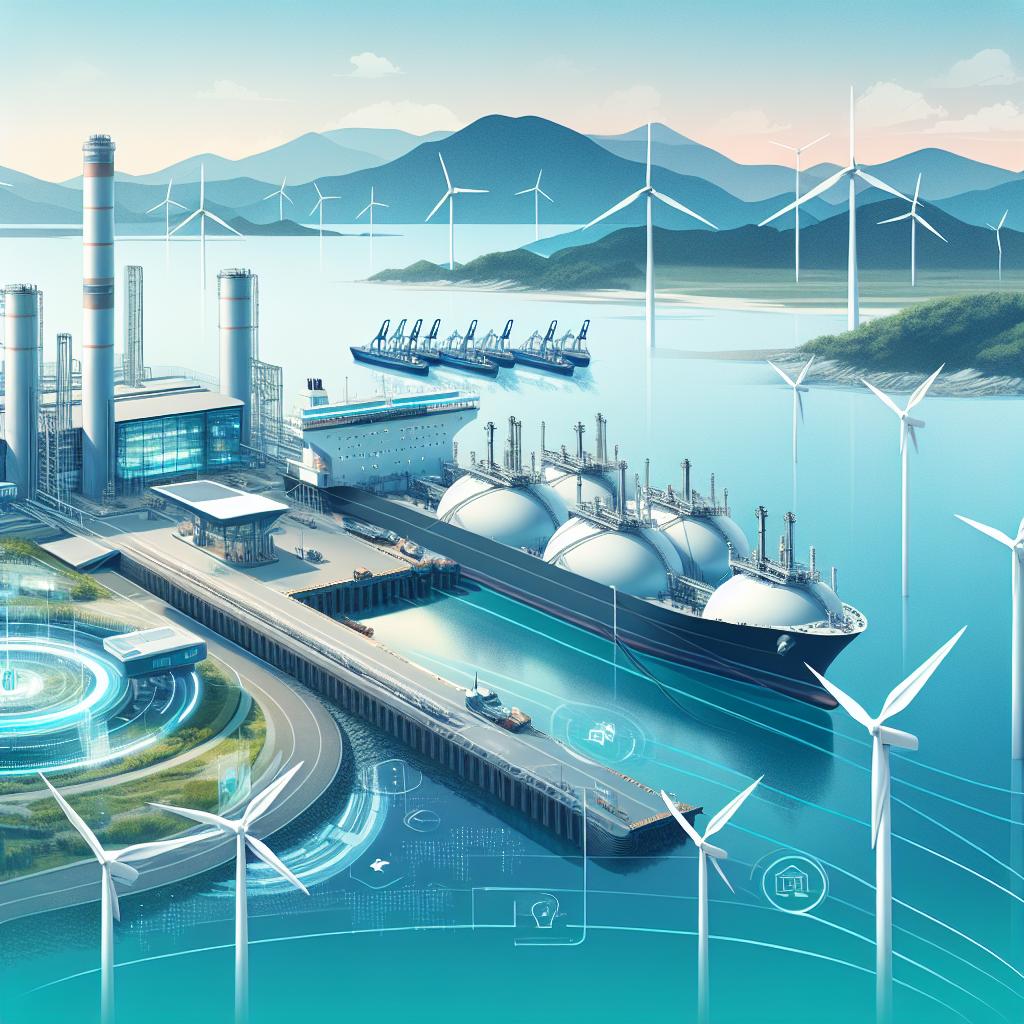
LNG Market Dynamics and Tech Diversification: Investment Opportunities in Korean Shipping and Energy

Investment Outlook
- Overall Positive with Cautious Risk Management
- High utilization of LNG terminals (90–98%) and projected small-scale LNG market CAGR of 14.5% to 2032 highlight robust demand (d2, d14). Korean shipbuilders, led by Hyundai Heavy and STX, are capturing LNG vessel orders amid global supply shortages, driving revenue growth in 2024–25 (d7, d15, d1). Technological R&D in wind power, eco-smart appliances, and midstream LNG value chains supports diversification (d5, d11, d16). However, regulatory shifts toward carbon-neutral shipping, ESG compliance demands, and periodic reporting corrections underscore governance and policy risks (d6, d17, d8). Investors may favor leading shipbuilders and energy firms with solid balance sheets and R&D pipelines while hedging for policy and supply-chain volatility.
Global LNG Market Trends & Infrastructure Utilization
The global liquefied natural gas (LNG) market is currently characterized by strong consumption and high infrastructure utilization rates, which present significant investment opportunities in Korean shipping and energy sectors. Recent reports indicate that LNG terminals are operating at utilization rates between 90% and 98%, showcasing robust demand for liquefied gas as a transition fuel and energy source. This high utilization underscores the strategic importance of LNG in meeting both global energy needs and local consumption targets, particularly as nations aim to diversify energy sources amidst fluctuating geopolitical scenarios.
The expansion of the small-scale LNG market also highlights potential growth avenues for Korean companies. With a projected compound annual growth rate (CAGR) of 14.5% up to 2032, there is considerable momentum in LNG-related investments. This trend is bolstered by rising global demand for cleaner energy alternatives, including advancements in regenerative energy and fluctuating oil prices that favor LNG adoption over traditional fossil fuels. These market dynamics are essential for investors considering engagements in the Korean energy landscape, where significant progress in the LNG sector is anticipated.
On the shipping front, Korean shipbuilders, particularly Hyundai Heavy Industries and STX, are uniquely positioned to capture an increasing share of LNG vessel orders. This is particularly critical in light of the global supply shortages that have come to the fore. As such, these companies are expected to see substantial revenue growth throughout 2024 and 2025. With a strong order backlog and the industry's overall shift toward sustainable shipping practices, these firms are poised to benefit significantly from the ongoing transformation in maritime logistics driven by LNG demands.
However, potential investors should remain cognizant of inherent risks. Regulatory shifts aimed at achieving carbon neutrality in shipping may impose additional compliance costs on operators, while the pressing requirements for Environmental, Social, and Governance (ESG) adherence add layers of complexity to investment decisions. As these regulations evolve, there could be volatility in operational costs and profit margins within the sector. Hence, while the overview suggests a positive outlook, prudent risk management strategies will be essential for stakeholders navigating this multifaceted environment.
Technological Innovations in Energy & Appliances
The technological landscape in the energy sector is rapidly evolving, particularly within Korea, where domestic players are investing heavily in research and development (R&D) aimed at enhancing the efficiency and sustainability of energy systems. This focus on innovation is set to redefine how energy is produced, managed, and utilized, thereby diversifying both opportunities and challenges for investors. A noteworthy trend is the integration of smart appliance technologies, which not only promote energy efficiency but also align with global shifts towards greener solutions. By employing advanced algorithms and IoT capabilities, these appliances are increasingly capable of optimizing energy consumption, thus attracting consumer interest in the market for renewable energy technologies.
Moreover, the LNG value chain is witnessing significant integration efforts among Korean firms. Companies are exploring enhanced midstream capabilities such as LNG bunkering, which is essential for the shipping sector's transition towards more environmentally friendly fuels. This strategic realignment not only supports operational efficiency but also capitalizes on the growing demand for cleaner energy solutions. Furthermore, innovations in wind energy systems are gaining traction, with R&D centers dedicated to improving turbine technology and energy storage solutions. The potential for collaboration between these advancements underscores the commitment of Korean companies to diversify their energy portfolios in response to the evolving market dynamics shaped by regulatory and consumer expectations.
Despite positive advancements, investors should remain vigilant regarding the regulatory environment. The push for carbon neutrality and stringent ESG compliance introduces not only challenges but also opportunities as companies adapt to these frameworks. As regulations become more pervasive, firms at the forefront of technological innovation may garner competitive advantages, positioning themselves favorably in the shifting energy landscape. Therefore, prudent investment strategies should emphasize companies that are well-capitalized, with robust R&D pipelines and a proactive stance towards regulatory compliance, ensuring resilience against market fluctuations.
Korean Shipping & Shipbuilding Outlook in LNG Era
As the LNG market continues to evolve, the Korean shipping and shipbuilding industry is positioned to benefit significantly from favorable market conditions, driven by high demand for LNG vessels. The order backlog at major shipyards such as Hyundai Heavy Industries and STX remains robust, indicating a steady stream of future revenue. Recent reports suggest that the shipping capacity for LNG is expected to expand, facilitated by ongoing global supply shortages that have heightened the need for new, efficient vessels. This backdrop not only enhances the prospects for domestic shipbuilders but also reinforces their competitive position within the global marketplace. Moreover, asset utilization rates at these shipyards have improved as firms ramp up production to meet burgeoning demand while adhering to sustainability standards that are increasingly being prioritized by industry stakeholders.
Furthermore, the focus on sustainability within the shipping sector is driving innovations in vessel design and fuel efficiency. As companies invest in R&D for eco-friendly technologies and practices, there exists a dual opportunity for investment in both the shipbuilding sector and in adjacent markets focusing on green shipping solutions. However, investors should remain cautious, as challenges stemming from shifting regulatory landscapes, such as carbon-neutral goals for maritime transport, could lead to increased operational costs. Companies that effectively navigate these challenges while leveraging their technological advancements are likely to emerge stronger in the face of competitive pressures. Hence, while the outlook for Korean shipping and shipbuilding in the LNG era appears promising, prudent investment strategies must incorporate comprehensive risk assessments to safeguard against potential volatility and regulatory disruptions.
Regulatory Environment & ESG Considerations
The regulatory environment and Environmental, Social, and Governance (ESG) considerations are increasingly shaping investment dynamics within the Korean energy and shipping sectors. In response to global initiatives addressing climate change, policymakers are enforcing more stringent carbon-neutral goals, particularly for maritime transport. As Korean shipping companies adapt their operational frameworks to align with these regulations, they face potential increases in operational costs associated with compliance. Investors should closely assess how effectively companies implement these carbon-neutral practices, as those who excel in compliance may secure competitive advantages in a transforming market.
Moreover, ESG reporting standards are evolving, necessitating comprehensive disclosures from companies regarding their sustainability practices. The emphasis on transparency in ESG matters not only meets the growing demand from consumers and investors for responsible corporate behavior but also plays a critical role in risk assessment and management. Companies that can demonstrate strong governance and proactive risk mitigation strategies are likely to attract investments as stakeholders increasingly seek alignment with ethical and environmental principles.
However, this transition is not without challenges. The uncertainty generated by changing policies might lead to fluctuations in investment sentiment and operational viability for some firms. Thus, investors are advised to engage with companies that balance innovative approaches in ESG compliance with robust financial health. A well-rounded risk assessment that incorporates the regulatory landscape will be essential for identifying resilient players poised for growth amid evolving market conditions.
Key Takeaways
Strong Demand Dynamics in the Global LNG Market
The global liquefied natural gas (LNG) market is witnessing impressive demand, with terminals operating at 90% to 98% capacity, indicating a robust growth narrative. This strong engagement with LNG as a transitional fuel paves the way for significant investment opportunities in the Korean shipping and energy sectors, especially as small-scale LNG is projected to grow at a compound annual growth rate (CAGR) of 14.5% through 2032.
Korean Shipbuilding Sector: A Competitive Advantage
With major players like Hyundai Heavy Industries and STX capturing orders amid global supply shortages, the Korean shipbuilding industry is strategically positioned to thrive in the LNG era. The substantial order backlogs signal potential revenue growth, reinforced by a shift towards more sustainable shipping practices and the enhanced asset utilization of shipyards, which are adapting to meet the evolving market demands.
The Synergy of Technological Innovations and LNG Integration
Korea's emphasis on research and development is leading to significant advancements in energy efficiency, particularly through the integration of smart appliances and LNG bunkering capabilities. This positions domestic firms favorably within the LNG value chain, enabling them to capitalize on the growing consumer demand for cleaner energy. However, maintaining a balanced approach to innovation and regulatory compliance remains essential for maximizing long-term investment viability.
Navigating Regulatory and ESG Challenges
The growing emphasis on Environmental, Social, and Governance (ESG) considerations and carbon-neutral regulatory frameworks presents both challenges and opportunities for Korean companies in the shipping and energy sectors. As firms adapt to these evolving standards, those that excel in compliance and demonstrate strong governance are likely to attract investor confidence, underscoring the importance of aligning business practices with regulatory expectations in a changing market landscape.