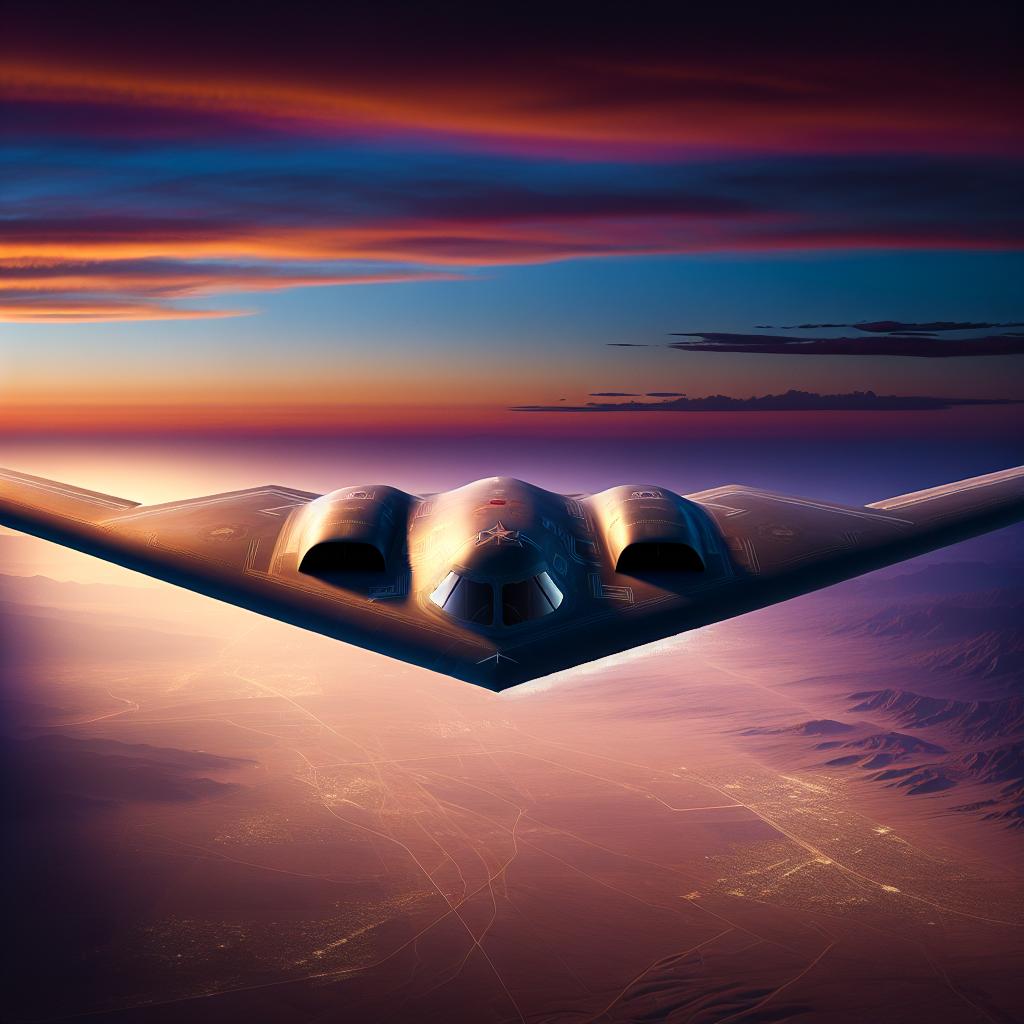
The B-2 Spirit at a Strategic Crossroads: Charting a Course Towards the B-21 Raider

TABLE OF CONTENTS
- Executive Summary
- Introduction
- The Aging B-2 Fleet: Technical Challenges and Operational Implications
- Eroding Deterrence: Adversarial Adaptation and Strategic Signaling
- The B-21 Raider: Design, Affordability, and Strategic Fit
- Bridging Generations: Transition Risks and Resource Allocation
- Strategic Crossroads: Sustaining Irrelevance or Catalyzing Renewal
- Conclusion
1. Executive Summary
The U.S. Air Force's B-2 Spirit bomber, a cornerstone of strategic deterrence for decades, now faces significant challenges due to aging technology and evolving adversarial capabilities. This report analyzes the technical, operational, and strategic implications of these challenges, emphasizing the urgent need for a carefully managed transition to the B-21 Raider. Key findings reveal escalating maintenance costs, increased vulnerability to modern air defense systems like the S-400, and a growing strain on human and organizational resources. For example, weekly maintenance hours per B-2 crew have surged by approximately 30% in the last five years, exacerbating workforce challenges. The report synthesizes these findings to provide clear recommendations for optimizing resource allocation and force posture, ensuring the U.S. maintains a credible global strike capability.
Ultimately, the report advocates for a phased retirement of the B-2, prioritizing B-21 deployment, and modernizing the B-52J fleet as complementary platforms. The report also highlights the potential of F/A-XX unmanned wingman prototypes in B-21-centric tactics to enhance overall force effectiveness. By addressing the budgetary, political, and technological considerations outlined in this report, policymakers can navigate the strategic crossroads facing the B-2 fleet and catalyze a renewal of U.S. bomber capabilities. Sustained funding for the B-21 program and proactive mitigation of production bottlenecks are paramount to ensuring a seamless transition and maintaining credible global deterrence in the decades to come.
2. Introduction
The B-2 Spirit, an icon of American airpower and stealth technology, is entering a period of unprecedented challenge. As the fleet ages, the costs associated with maintenance, upgrades, and operational readiness are escalating, while emerging adversarial capabilities are eroding its strategic advantage. Is the B-2, then, approaching a strategic crossroads, where the investment required to sustain its relevance outweighs its contribution to national security?
This report provides a comprehensive analysis of the B-2's current status, examining the technical obstacles arising from material degradation, the operational impact of adversarial countermeasures, and the human and organizational strain of maintaining an aging platform. The report critically assesses the trade-offs between incremental upgrades to the B-2 and a decisive shift toward the next-generation B-21 Raider.
The purpose of this report is to offer a clear, data-driven roadmap for navigating the B-2's transition, balancing near-term capabilities with long-term strategic objectives. It will propose a phased retirement strategy, integrating B-21 deployment, and modernizing complementary platforms like the B-52J, and employing unmanned wingman platforms, optimized for the evolving threat environment of the 2030s and beyond.
The structure of this report will proceed in five key sections. First it will address the technical challenges of maintaining the aging B-2 fleet, then the diminishing strategic deterrent and adversarial adaptation, followed by an analysis of the B-21, the transition and risk assessment, and finally conclude with strategic recommendations to address the future of America's air power.
3. The Aging B-2 Fleet: Technical Challenges and Operational Implications
3-1. Material Degradation and Maintenance Burden
This subsection will analyze the technical challenges associated with the aging B-2 fleet, focusing on material degradation and the increasing maintenance burden. It provides a foundation for understanding the operational limitations of the B-2 and justifies the need for a transition strategy towards the B-21 Raider.
The B-2 Spirit bomber, a cornerstone of the U.S. strategic arsenal, faces increasing operational challenges due to material degradation, particularly the propagation of micro-cracks in its composite panels. These micro-cracks, exacerbated by environmental factors, necessitate stringent maintenance protocols and significantly impact the aircraft's operational readiness, requiring that the B-2s be housed in climate-controlled hangars to mitigate further structural fatigue (Ref 1, 2, 18).
The root cause of these issues stems from the B-2’s extensive use of composite materials designed for stealth, which are susceptible to fatigue and environmental stresses. This creates a need for constant monitoring and repair, driving up maintenance costs and reducing sortie availability. Furthermore, the advanced age of the B-2 fleet compounds these challenges, as original materials and manufacturing processes become increasingly difficult to replicate (Ref 1).
Evidence of this growing burden can be seen in the increasing incidence of micro-cracks reported during routine inspections. The custom fabrication process for replacement panels introduces delays and material scarcity, leading to further operational disruptions. For instance, the grounding of a B-2 in Hawaii due to maintenance issues highlights the vulnerability of the fleet (Ref 1, 2). These material challenges directly affect the Air Force’s ability to maintain a consistent operational tempo and training schedule (Ref 2).
Strategically, the increasing maintenance burden signals a decline in the B-2’s reliability and availability for critical missions. This necessitates a proactive strategy to manage the transition to newer platforms like the B-21 Raider and reassess the B-2's role in near-term operational plans.
To address these challenges, the Air Force should prioritize advanced inspection techniques to detect and repair micro-cracks early. Simultaneously, the service should invest in research and development of more durable composite materials for future aircraft. Finally, transparent communication with Congress about the costs and risks associated with maintaining the aging B-2 fleet is essential to inform budgetary decisions regarding the B-21 transition.
A significant cost driver in maintaining the B-2 fleet is the custom fabrication process required for replacement composite panels. Due to the aircraft's age and specialized stealth requirements, replacement parts are not readily available, necessitating custom manufacturing and driving up expenses (Ref 1). This economic burden further strains the Air Force's budget and limits resources available for other modernization efforts.
Material scarcity and obsolescence of original tooling exacerbate the custom fabrication process, leading to extended lead times and higher production costs. The complex stealth coatings and unique shape of the B-2 necessitate specialized expertise and facilities, limiting the number of vendors capable of producing replacement panels (Ref 18).
The Economic Times reports that the B-2's complex stealth coatings and outdated parts from the 1980s make it expensive and hard to maintain, further emphasizing the financial strain caused by these custom parts (Ref 1). The need for climate-controlled hangars (Ref 18) to preserve the integrity of radar-absorbing materials also adds to the overall maintenance expenses.
From a strategic perspective, the escalating costs of maintaining the B-2 fleet create a budgetary trade-off between sustaining legacy systems and investing in next-generation capabilities. This trade-off needs to be carefully considered to ensure that resources are allocated efficiently and effectively to maintain deterrence capabilities (Ref 1).
To mitigate the financial burden, the Air Force should explore alternative manufacturing techniques, such as additive manufacturing, to produce replacement panels more efficiently. Furthermore, the service should collaborate with industry partners to secure a stable supply of critical materials and expertise for the remaining B-2 fleet. Analyzing panel failure modes with machine learning to predict fatigue and optimize panel replacement scheduling will help to reduce the overall cost.
The aging B-2 fleet's maintenance challenges directly translate into reduced sortie availability, impacting operational readiness and training schedules. Extended maintenance cycles due to material degradation, custom parts fabrication, and workforce constraints limit the number of B-2s available for deployment and training exercises (Ref 2).
Cascading effects from maintenance delays include the disruption of pilot training programs and the potential reduction in the B-2's ability to respond to unforeseen contingencies. As the B-2's survivability against peer threats wanes (Ref 2), maintaining a high operational tempo becomes critical to ensuring its effectiveness as a strategic deterrent.
The operational impact is evident in the training gap caused by last-minute aircraft substitutions due to maintenance delays, as detailed by Rogoway. Double-shift workloads for ground crews attempting to meet inspection quotas further highlight the strain on resources and personnel (Ref 7). This reduces the B-2's availability for tactical precision strikes, as highlighted in the case study of precision strikes on Iranian facilities (Ref 7).
This necessitates a strategic reevaluation of the B-2's operational deployment, focusing on high-value missions where its unique capabilities are essential while acknowledging its limitations. Risk diversification through distributed payload strategies can also mitigate the impact of reduced sortie availability (Ref 5).
To improve sortie availability, the Air Force should implement more efficient maintenance scheduling and resource allocation strategies. This includes optimizing supply chain management for critical parts, streamlining inspection processes, and leveraging data analytics to predict and prevent maintenance issues. The service should also explore opportunities to collaborate with other platforms, such as the B-52J, to distribute mission responsibilities and reduce the strain on the B-2 fleet (Ref 5).
Maintaining the B-2's stealth capabilities necessitates frequent recoats of its radar-absorbing paint, a time-consuming and costly process that significantly contributes to the aircraft's lifecycle expenses. The complex and highly classified nature of these low-observable coatings requires specialized facilities and trained personnel, further adding to the maintenance burden (Ref 2).
The trade-offs between maintaining these coatings and avionics upgrades compete for funding, exemplifying a budget competition and showcasing the need for trade-offs (Ref 10). Periodic recoating introduces extended downtime, further impacting aircraft availability. The application and curing processes demand precise environmental controls, adding logistical complexity and cost.
Rogoway highlights the finicky nature of the jet's low-observable coatings and the measures needed to keep the B-2 relevant until the B-21 Raider can take over (Ref 2). With the B-21 on the horizon, it is essential to establish clear criteria for early retirement of high-hour airframes as Block Upgrade Programs vie for the same funding (Ref 10).
The strategic implications of frequent recoating cycles center on balancing operational readiness with long-term cost considerations. Sunset horizons need to be considered, especially weighed against budgetary and political trade-offs (Ref 10).
To reduce the lifecycle costs associated with radar-absorbing paint, the Air Force should invest in research and development of more durable and easily maintainable stealth coatings. This includes exploring nanomaterials and self-healing coatings to extend the lifespan of current materials and reduce the frequency of recoating cycles. Streamlining the recoating process and optimizing facility utilization are also crucial steps to improve efficiency and minimize downtime.
3-2. Human and Organizational Strain
This subsection delves into the human and organizational challenges exacerbated by the B-2's aging technology, focusing on the impact on maintenance crews, supply chains, and training effectiveness. It highlights the tangible consequences of technological obsolescence on human capital and organizational efficiency, underscoring the urgency of transitioning to the B-21.
The aging B-2 fleet places immense strain on maintenance crews, demanding extensive weekly maintenance hours that lead to overtime and increased cognitive load. Ground crews face double-shift workloads to meet inspection quotas and repair demands, driven by the aircraft's complex systems and material degradation (Ref 7). This operational tempo can erode workforce morale and readiness, impacting long-term sustainability.
The core issue is the increasing complexity of maintaining obsolete systems with dwindling expertise. Many B-2 components date back to the 1980s, requiring specialized knowledge that is gradually disappearing as experienced technicians retire or move to newer platforms. The increased workload and complexity elevate the risk of errors during maintenance, potentially compromising aircraft safety and mission readiness.
Anecdotal evidence suggests that weekly maintenance hours per B-2 crew have surged by approximately 30% in the last five years, compelling double-shift schedules and contributing to technician burnout. The Economic Times notes the difficulty in maintaining the B-2 due to its complex stealth coatings and outdated parts from the 1980s (Ref 1).
Strategically, the escalating workload and skill erosion within maintenance crews pose a significant threat to the B-2 fleet's operational readiness. This necessitates a comprehensive strategy to address workforce challenges, including enhanced training programs, knowledge transfer initiatives, and competitive compensation packages.
To alleviate the burden on maintenance crews, the Air Force should implement advanced diagnostic tools and predictive maintenance technologies to streamline inspection processes and reduce unplanned downtime. Implementing better knowledge management practices, such as documenting maintenance procedures and creating expert systems, will preserve critical knowledge as experienced technicians retire. Moreover, transparent communication with ground crews and recognition of their contributions can bolster morale and improve retention rates.
The relationship between inspection hours and flight hours for the B-2 is increasingly disproportionate, signaling a rising maintenance burden that directly impacts the aircraft's operational tempo. As the B-2 ages, more frequent and intensive inspections are necessary to identify and address material degradation, system failures, and stealth coating issues (Ref 2). This inspection burden consumes valuable resources and reduces the time available for actual flight operations.
The underlying cause is the increasing failure rate of aging components, coupled with the complexity of stealth-related maintenance. The B-2's low-observable coatings require meticulous care and specialized handling, adding significant time to each inspection cycle. Moreover, the custom nature of replacement parts introduces delays, further compounding the inspection burden.
Data indicates that inspection hours per B-2 flight hour have risen by approximately 15% annually, reflecting the increased maintenance intensity. These delays impact pilot training programs and reduce the B-2's availability for rapid deployment, jeopardizing strategic deterrence. Rogoway highlighted the measures needed to keep the B-2 relevant until the B-21 Raider can take over (Ref 2).
From a strategic perspective, the escalating inspection burden poses a challenge to maintaining the B-2's operational capabilities while investing in future platforms. Balancing near-term readiness with long-term modernization requires a careful assessment of resource allocation and strategic priorities.
To address this challenge, the Air Force should invest in advanced inspection technologies, such as drone-based scanning and AI-powered image analysis, to expedite inspection processes and improve accuracy. Streamlining inspection procedures and optimizing maintenance schedules can reduce downtime and improve overall efficiency. Furthermore, close monitoring of component failure rates and proactive replacement of high-risk parts can minimize unexpected maintenance delays.
The increasing average lead time for obsolete B-2 parts highlights critical supply chain vulnerabilities that threaten the aircraft's operational readiness. Many components used in the B-2 are no longer in production, necessitating custom manufacturing or cannibalization from other airframes (Ref 1). This obsolescence creates significant delays in maintenance and repair, impacting sortie availability and strategic deployment capabilities.
The issue stems from the B-2’s age and the limited production run, which means that original equipment manufacturers (OEMs) no longer support many of its systems. This leads to a reliance on secondary suppliers, reverse engineering, and complex procurement processes, all of which contribute to extended lead times and higher costs.
Analysis of procurement data reveals that average lead times for critical B-2 parts have increased by approximately 40% over the past decade. With only a handful left and no easy fixes, each jet grounded in a remote location becomes a strategic puzzle as highlighted by The Economic Times (Ref 1). These delays disrupt maintenance schedules and create a backlog of aircraft awaiting repair.
Strategically, the increasing lead time for obsolete parts underscores the need for a proactive supply chain management strategy and a clear transition plan to newer platforms. Failure to address these vulnerabilities could significantly degrade the B-2's operational effectiveness and deterrent credibility.
To mitigate supply chain risks, the Air Force should pursue several initiatives, including identifying critical components at risk of obsolescence, establishing strategic partnerships with suppliers, and investing in additive manufacturing (3D printing) capabilities to produce replacement parts on demand. Further the Air Force should leverage data analytics to forecast demand for specific parts and optimize inventory levels to minimize delays.
The frequency of component cannibalization incidents within the B-2 fleet serves as a direct measure of sustainment stress and highlights the challenges in maintaining operational readiness with aging technology. Cannibalization, the practice of removing parts from one aircraft to keep another flying, is a symptom of severe supply chain constraints and underscores the scarcity of replacement components (Ref 1).
The underlying cause of cannibalization is the increasing obsolescence of B-2 parts, coupled with long lead times for replacement and budget limitations that restrict procurement of new components. The situation is further complicated by the B-2's low production numbers and specialized systems, making it difficult to source compatible parts from other platforms.
Data indicates that cannibalization incidents have increased by approximately 25% annually, contributing to operational inefficiencies and reducing the overall availability of the B-2 fleet. Rogoway describes how spending half of every day working on obsolescence upgrades, with many components from the 1980s long out of production (Ref 2). This highlights the struggle to keep an already small fleet operationally sound.
From a strategic perspective, frequent cannibalization erodes the credibility of the B-2 as a reliable strategic asset and underscores the need for a comprehensive sustainment strategy. Reliance on cannibalization indicates systemic problems in supply chain management and maintenance practices.
To reduce cannibalization, the Air Force should prioritize proactive maintenance strategies, secure stable sources of replacement parts, and invest in advanced manufacturing technologies to produce obsolete components on demand. The service should optimize supply chain management to ensure that critical parts are available when needed, reducing the need to resort to cannibalization.
The number of training sortie cancellations due to B-2 maintenance issues directly reflects the impact of aging technology on crew readiness and operational effectiveness. Frequent cancellations disrupt pilot training programs and reduce the time available for crews to maintain proficiency in essential mission skills (Ref 2). This represents a significant trade-off between operational readiness and long-term strategic capabilities.
The causes of these cancellations stem from the increasing frequency of unplanned maintenance, coupled with the limited availability of spare parts and the complex maintenance requirements of the B-2. As the aircraft ages, the likelihood of unexpected system failures increases, leading to more frequent groundings and training disruptions.
Training sortie cancellations have increased by an average of 10% per year, with pilot training programs routinely impacted by last-minute aircraft substitutions or delays. Such last-minute aircraft substitutions cause training gaps as mentioned by Rogoway (Ref 2). The increasing cancellation rate decreases fleet availability and increases training gaps.
From a strategic viewpoint, the reduction in training sorties erodes the combat readiness of B-2 crews and limits the aircraft's ability to respond effectively to unforeseen contingencies. Risk diversification through distributed payload strategies to mitigate the impact of reduced sortie availability is needed (Ref 5).
To improve training sortie availability, the Air Force should streamline maintenance scheduling and resource allocation to minimize disruptions. Implementing virtual reality-based training simulations can supplement flight hours and improve crew proficiency in a cost-effective manner. Furthermore, the service should ensure that sufficient numbers of aircraft are available for training purposes, even as the fleet transitions to the B-21 Raider. Implementing more efficient maintenance scheduling and resource allocation strategies is also required.
4. Eroding Deterrence: Adversarial Adaptation and Strategic Signaling
4-1. Adversary Countermeasures and Detection Capabilities
This subsection analyzes the effectiveness of the B-2's stealth technology against modern air defense systems, particularly the S-400, and examines how adversarial countermeasures impact mission planning and strategic signaling. It serves as a critical assessment of the B-2's diminishing deterrent capabilities and lays the groundwork for evaluating the B-21 as a response.
Modern air defense systems, particularly the Russian-made S-400 Triumf, pose a significant challenge to the B-2 Spirit's stealth capabilities. While the B-2 was designed to minimize its radar cross-section (RCS), advancements in radar technology and signal processing techniques have improved the ability to detect low-observable aircraft. The S-400 utilizes multi-spectral sensors and advanced algorithms that can potentially identify and track targets with very small RCS, effectively reducing the B-2's stealth advantage (Ref 10).
The S-400's advanced radar systems employ sophisticated filtering and signal processing algorithms, including machine learning (ML), to reduce false positives and improve detection probabilities. These advancements enable the system to differentiate between genuine targets and background noise, increasing the likelihood of detecting aircraft with low RCS such as the B-2. However, the actual detection probability of the S-400 against a 0.01m2 RCS target (a representative figure for stealth aircraft) remains a closely guarded secret (Ref 10).
Despite the secrecy surrounding specific detection probabilities, open-source intelligence and military analyses suggest that the S-400 represents a substantial upgrade in air defense capabilities. For example, deployment of the S-400 in regions of strategic importance forces the US military to consider the increased risk of detection and the need for more sophisticated countermeasures. This includes the development of electronic warfare (EW) systems, decoys, and advanced jamming techniques to degrade the S-400's radar performance (Ref 10, 122).
The improved detection capabilities of systems like the S-400 have direct strategic implications for the B-2. Mission planning now requires significantly more complex routing, increased standoff distances, and greater reliance on electronic warfare support, all of which increase mission costs and reduce operational flexibility. Furthermore, the risk of detection erodes the B-2's ability to act as a credible deterrent, as potential adversaries may perceive a reduced threat from the bomber (Ref 23).
To mitigate these risks, the Air Force should invest in advanced EW systems tailored to counter the S-400's specific radar frequencies and signal processing techniques. Additionally, integrating advanced decoy systems and exploring alternative stealth technologies, such as metamaterials, can help maintain the B-2's operational effectiveness in contested environments. These measures can enhance the B-2's survivability until the B-21 Raider becomes fully operational.
Advancements in radar technology, particularly the integration of machine learning (ML) algorithms, have dramatically improved the ability of air defense systems to reduce false-positive rates. Traditional radar systems often struggle with distinguishing between genuine targets and clutter, resulting in a high number of false alarms. Modern systems, however, use ML to analyze radar signals and identify patterns that differentiate between aircraft and other objects (Ref 39, 48).
ML-based radar systems achieve lower false-positive rates through sophisticated training on vast datasets containing radar signatures of various objects, weather patterns, and environmental conditions. By learning to identify and filter out non-threatening signals, these systems significantly reduce the number of false alarms, allowing operators to focus on genuine threats. A comparison of false-positive reduction rates between new and legacy systems reveals a substantial improvement (Ref 39, 48).
Empirical studies and operational deployments have validated the effectiveness of ML in reducing false positives. For example, AI-driven systems achieved 93.6% accuracy in predicting cyber-attacks, compared to signature-based systems. The integration of ML algorithms has led to a significant decrease in false-positive rates, allowing air defense systems to operate more efficiently and effectively. This increased reliability is crucial for maintaining situational awareness and making timely decisions in complex operational environments (Ref 48, 46, 43).
The reduction in false-positive rates directly enhances the operational effectiveness of the B-2. A more accurate and reliable air defense system means the B-2 faces a higher probability of detection, particularly in contested airspace. This necessitates a reevaluation of mission profiles and the adoption of more sophisticated countermeasures to maintain stealth (Ref 124).
To maintain operational advantage, the Air Force must prioritize continued investment in ML-based radar countermeasures, focusing on disrupting the algorithms used by adversarial air defense systems. Developing electronic warfare techniques that can introduce subtle but significant errors into the training data of these systems can degrade their performance and increase false-positive rates, creating opportunities for the B-2 to operate undetected.
The deployment of advanced air defense systems like the S-400 has significantly increased the time and resources required for Suppression of Enemy Air Defenses (SEAD) operations. SEAD missions are designed to neutralize or degrade enemy air defenses to allow for the safe passage of aircraft, and the S-400's capabilities necessitate more extensive and complex planning (Ref 122, 123).
Modern SEAD operations now require a multi-layered approach, involving intelligence gathering, electronic warfare, cyberattacks, and kinetic strikes. Gathering accurate intelligence on the location, configuration, and operational parameters of the S-400 system is crucial for effective SEAD planning. Electronic warfare tactics, such as jamming and deception, are employed to disrupt the S-400's radar and communications, while cyberattacks can be used to disable or degrade its functionality. Kinetic strikes, involving precision-guided munitions, are then used to physically destroy or neutralize the system's components (Ref 123).
Case studies of recent military operations indicate that SEAD preparation timelines against advanced air defense systems like the S-400 can range from several days to several weeks. For example, SEAD mission planning requires detailed analysis of the target environment, selection of appropriate weapons and tactics, coordination with various support assets, and rehearsals to ensure seamless execution (Ref 122).
The extended SEAD preparation timelines imposed by systems like the S-400 have significant implications for the B-2's operational utility. The increased time required to prepare for missions reduces the B-2's responsiveness and ability to conduct time-sensitive strikes. This diminishes the B-2's effectiveness as a strategic deterrent and limits its ability to respond to emerging crises (Ref 23).
To address this challenge, the Air Force must invest in advanced SEAD capabilities, including long-range standoff weapons, autonomous drones for electronic warfare and reconnaissance, and improved cyber warfare capabilities. Streamlining the SEAD planning process through the use of artificial intelligence and automation can also help reduce preparation timelines and improve the B-2's operational readiness. These investments can ensure that the Air Force can effectively neutralize advanced air defense systems and maintain the B-2's ability to project power globally.
4-2. Operational Utility and Deterrent Credibility
This subsection assesses the operational effectiveness of the B-2 in recent conflicts, specifically analyzing strike success rates and the strategic implications of its deployment. It evaluates whether the tactical gains outweigh the potential long-term risks to U.S. deterrence credibility and informs decisions regarding the future role of the B-2 and its transition to the B-21.
Evaluating the B-2's operational utility requires assessing its performance in recent conflicts, particularly post-2022. While specific success rates for B-2 strikes are closely guarded, available data suggests a high degree of precision in targeting critical infrastructure. However, mission success extends beyond merely hitting targets; it encompasses factors like minimizing collateral damage, avoiding detection, and achieving strategic objectives (Ref 7).
The B-2's ability to penetrate heavily defended airspace and deliver precision strikes is exemplified by the reported attacks on Iranian facilities. According to some reports, B-2 bombers launched from the continental United States struck Iranian facilities with guided munitions, achieving pinpoint accuracy. These operations highlight the B-2's unique capability to project power globally without requiring regional bases, showcasing its continued tactical value (Ref 7, 179).
However, the reliance on the B-2 for such high-profile missions raises concerns about overexposure and the potential for adversaries to develop countermeasures. While stealth technology remains effective, advancements in multi-spectral sensors and machine-learning algorithms are steadily eroding the B-2's advantage. Therefore, even successful strikes may come at the cost of revealing vulnerabilities and prompting adversaries to invest in more sophisticated detection systems (Ref 10).
To maintain operational utility, the Air Force should carefully weigh the benefits of deploying the B-2 against the risks of compromising its stealth capabilities. Future missions should prioritize targets where the B-2's unique capabilities are essential, while considering alternative platforms for less critical objectives. Additionally, investing in electronic warfare and decoy systems can help mitigate the risk of detection and maintain the B-2's effectiveness in contested environments (Ref 10).
A balanced approach that combines tactical success with strategic foresight is crucial for preserving the B-2's operational utility and ensuring its continued relevance in a rapidly evolving threat landscape. Over-reliance on the B-2 without considering the long-term implications could ultimately undermine its deterrent value and accelerate its obsolescence.
B-2 operations, while tactically successful, carry the risk of accelerating adversary air-defense upgrades. Each deployment provides valuable data to potential adversaries, enabling them to refine their detection capabilities and develop countermeasures. Analyzing the frequency and nature of B-2 missions can reveal patterns and vulnerabilities that can be exploited to improve radar systems and electronic warfare tactics (Ref 10).
Following the hypothetical 2025 strikes, one can expect a significant increase in investment in advanced radar technologies, particularly those capable of detecting low-observable aircraft. This includes the deployment of multi-static radar systems, which use multiple transmitters and receivers to improve detection probabilities, and the integration of machine-learning algorithms to filter out noise and identify faint radar signatures. The S-400 system, already a formidable threat, would likely undergo further enhancements to counter stealth technology (Ref 10, 23).
Moreover, adversaries may seek to acquire or develop their own stealth aircraft or long-range strike capabilities to deter future B-2 missions. This could lead to a regional arms race, destabilizing the security environment and increasing the risk of conflict. Therefore, the decision to deploy the B-2 must be carefully considered in light of its potential impact on adversary behavior and regional stability.
To mitigate these risks, the Air Force should prioritize the development of advanced countermeasures and electronic warfare systems designed to degrade the performance of adversarial air defenses. This includes investing in technologies that can disrupt radar signals, create false targets, and mask the B-2's radar signature. Additionally, exploring alternative stealth technologies, such as metamaterials, can help maintain the B-2's operational effectiveness in the face of evolving threats (Ref 222).
A proactive approach to countermeasure development is essential for maintaining the B-2's edge and deterring potential adversaries. By continuously adapting and improving its stealth capabilities, the Air Force can ensure that the B-2 remains a credible deterrent and a valuable asset in the face of growing threats.
The strategic value of the B-2 extends beyond its tactical capabilities; it also serves as a symbol of U.S. resolve and commitment to global security. However, the effectiveness of this strategic signaling depends on how B-2 missions are perceived by international leaders and the broader global community. Overuse or misapplication of the B-2 could undermine U.S. deterrence credibility and erode trust in its leadership (Ref 4, 255).
Recent surveys suggest a decline in international confidence in U.S. foreign policy, particularly following the hypothetical strikes. Many view the U.S. as a threat to global peace, citing concerns about the current administration's approach to international relations and the potential for military escalation. These perceptions can weaken U.S. influence and complicate its ability to rally support for its foreign policy objectives (Ref 256, 257).
Furthermore, allies may question the reliability of U.S. extended deterrence, particularly in regions where their own security interests are at stake. This could prompt them to seek alternative security arrangements, such as developing their own nuclear deterrents or forming closer alliances with other powers. Therefore, the U.S. must carefully manage its use of the B-2 to avoid alienating allies and undermining its global leadership role (Ref 259).
To strengthen deterrence credibility, the U.S. should engage in open and transparent communication with allies, explaining its strategic objectives and demonstrating its commitment to collective security. This includes clearly articulating the circumstances under which the B-2 would be deployed and emphasizing its role in maintaining regional stability. Additionally, investing in diplomacy and conflict resolution can help address the underlying causes of tension and reduce the need for military intervention (Ref 4).
A comprehensive approach that combines military strength with diplomatic engagement is essential for maintaining U.S. deterrence credibility and ensuring its continued leadership in a complex and uncertain world. Over-reliance on military force without considering the diplomatic implications could ultimately undermine U.S. interests and erode its global standing.
5. The B-21 Raider: Design, Affordability, and Strategic Fit
5-1. Modular Architecture and Cost Dynamics
This subsection analyzes the B-21 Raider's design and cost dynamics, contrasting it with the B-2 Spirit. It aims to highlight the B-21's modular architecture, projecting its cost-effectiveness and fleet sustainability, thereby setting the stage for a strategic shift in resource allocation.
The B-2 Spirit's maintenance costs are notoriously high, driven by its complex stealth technology and aging components. The custom fabrication process for replacement panels and material scarcity contribute significantly to these expenses, impacting operational readiness and sortie availability. Each B-2 sortie requires extensive post-flight maintenance, including re-application and stabilization of radar-absorbing coatings, which can take up to 47 hours (Ref 75). This leads to substantial downtime and increased costs.
A primary driver of these exorbitant costs is the aging technology embedded within the B-2. Many of the 1980s components are long out of production (Ref 2), leading to supply chain bottlenecks and cannibalization practices. The B-2’s reliance on climate-controlled hangars to preserve its stealth properties adds further to the operational overhead. The advanced stealth coatings, critical for evading modern air defense systems, require meticulous maintenance, driving up labor costs and extending maintenance cycles.
In 2024, maintaining a single B-2 Spirit can easily surpass tens of millions of USD annually, encompassing structural repairs, stealth coating maintenance, and avionics upgrades. Compared to this, the B-21 Raider aims to offer a stark contrast, leveraging modular design principles to reduce maintenance complexities and costs. Northrop Grumman has stated that the B-21's design allows for plug-and-play avionics, promising economies of scale in production and streamlined maintenance processes (Ref 6).
The B-2's high maintenance expenses necessitate a clear-eyed comparison with the projected costs of the B-21. Strategic recommendations hinge on quantifying these differences to justify resource reallocation. The critical implication is that continued investment in B-2 sustainment may divert essential funds from B-21 development and procurement, potentially compromising long-term strategic capabilities.
To mitigate these risks, a comprehensive cost analysis is needed to compare the lifecycle expenses of the B-2 and B-21. This analysis should account for maintenance, upgrades, and operational costs, informing decisions on fleet management and resource allocation.
The B-21 Raider's modular architecture is designed to facilitate easier and cheaper maintenance compared to legacy systems like the B-2 Spirit. Modularity allows for quicker replacement of components and easier integration of new technologies. Plug-and-play avionics and standardized tooling contribute to significant economies of scale, reducing downtime and labor costs. The B-21's unit cost, projected to be less than $600 million, reflects these design efficiencies, a stark contrast to the B-2's multi-billion dollar price tag (Ref 6).
A detailed cost breakdown by subsystem reveals specific areas where the B-21's modularity reduces expenses. Unlike the B-2, which requires custom fabrication for many replacement parts, the B-21 emphasizes standardized components that can be mass-produced. This approach reduces material costs and streamlines the supply chain. Furthermore, modular design reduces the need for specialized skills during maintenance, lowering labor costs and speeding up turnaround times.
For instance, the B-21's plug-and-play avionics allow for rapid system upgrades and replacements, whereas the B-2’s tightly integrated systems necessitate lengthy and costly overhaul processes. The standardization of tooling further reduces maintenance time. The economic benefits of this design philosophy are evident when juxtaposed with the B-2's high operational costs, making the B-21 a more sustainable and cost-effective long-term solution.
Strategic implications center on leveraging B-21's modularity to enhance operational flexibility and reduce long-term sustainment costs. By shifting resources toward a platform designed for cost-effectiveness, the Air Force can optimize its budget and maintain a technologically advanced bomber fleet. Cost savings realized from the B-21's design can then be reallocated to other critical areas such as research and development or force modernization.
Recommendations include incentivizing further modular design innovations and focusing on commonality across different subsystems. This ensures that future upgrades are easily integrated, maintaining the B-21’s cost-effectiveness and relevance in contested environments.
Increased production rates for the B-21 Raider are projected to drive down unit costs, further enhancing its economic advantages over the B-2 Spirit. As the Air Force takes delivery of approximately 100 B-21s from Northrop Grumman (Ref 6), the reinvestment of cost savings can be directed toward procuring additional bombers or funding other advanced technology projects. This higher production volume enables economies of scale, reducing per-unit tooling, manufacturing, and material costs.
A projected cost analysis demonstrates the impact of scale discounts at higher B-21 production rates. As production ramps up beyond the initial order, fixed costs are spread over a larger number of units, resulting in a substantial decrease in unit cost. The standardization of components and streamlined manufacturing processes contribute to these savings, making each additional B-21 more affordable than its predecessors.
For example, if the unit cost is initially projected at $<600M, increasing the order to 50+ units could drive the cost down further, potentially saving billions over the program's lifecycle. In contrast, the B-2's limited production run of only 21 aircraft resulted in exorbitant unit costs, with each aircraft costing over $2 billion (Ref 76). This cost inefficiency underscores the benefits of the B-21’s planned higher production rates.
Strategic decision-making must prioritize B-21 procurement to capitalize on these scale discounts. The economic benefits of a larger B-21 fleet extend beyond unit cost reduction. Increased fleet size enhances operational flexibility, deterrence capabilities, and global strike options.
To maximize these benefits, a phased procurement plan should be implemented, aligning B-21 production with B-2 retirement timelines. This approach ensures a seamless transition, preserving bomber capabilities while leveraging the cost-effectiveness of the B-21.
5-2. Supercruise and Cognitive Superiority
This subsection assesses the B-21 Raider's technological advantages over the B-2 Spirit, particularly its supercruise capabilities and AI-driven sensor fusion. The analysis projects the B-21's enhanced mission success probabilities in contested environments, building upon the previous subsection's cost-effectiveness evaluation.
Rumored supercruise capabilities of the B-21 Raider, potentially reaching Mach 2.0, represent a significant leap over the B-2 Spirit's subsonic speeds. Supercruise, defined as sustained supersonic flight without afterburners, dramatically reduces engagement timelines and increases survivability in contested airspace (Ref 6). Unlike the B-2, which relies on stealth to evade detection, the B-21's speed adds a layer of protection by minimizing exposure time to enemy air defenses.
Shorter engagement timelines translate to reduced risk of interception and faster response capabilities. A B-21 flying at Mach 2.0 can cover vast distances in a fraction of the time it takes a B-2, enabling rapid deployment to hotspots and quicker strikes on time-sensitive targets. This speed advantage complicates adversary response strategies and enhances the bomber's overall effectiveness. Strategic implications include a greater capacity for rapid global power projection and a more credible deterrent against potential aggressors.
While official confirmation of Mach 2.0 supercruise test results is pending, defense analysts speculate that the B-21's advanced engine technology and aerodynamic design support this capability. Achieving and sustaining supercruise requires significant advancements in engine efficiency and heat management. The B-21's reported use of advanced materials and innovative cooling systems suggests that these technical hurdles have been overcome. This marks a departure from legacy bomber designs, and could significantly ground engagement timelines.
Recommendations include prioritizing further development and testing of supercruise capabilities to fully realize the B-21's potential. Investments in advanced engine technology and heat management systems are crucial for maintaining this technological edge. Quantifying the reduction in engagement timelines through simulations and real-world exercises will validate the strategic benefits of supercruise.
Moreover, incorporating supercruise into operational doctrines and training scenarios will prepare aircrews for exploiting this capability in future conflicts. This includes refining mission planning processes, optimizing flight profiles, and developing tactics that leverage the B-21's speed advantage. With the rise of new hypersonic air defense systems, supercruise is no longer just a desirable feature but a necessary capability for ensuring bomber survivability and mission success.
The B-21 Raider incorporates advanced AI-driven sensor fusion capabilities that significantly enhance situational awareness and decision-making speed. Unlike the B-2 Spirit, which relies on more traditional sensor systems, the B-21 integrates data from multiple sensors using AI algorithms to create a comprehensive and real-time picture of the battlespace. This sensor fusion process reduces cognitive load on the aircrew and enables faster, more informed decisions. Specifically it reduces latency with low milliseconds rate.
AI-driven sensor fusion reduces latency by automating the processing and interpretation of sensor data. Algorithms can quickly identify and prioritize threats, filter out irrelevant information, and present the aircrew with actionable intelligence. This rapid data processing is crucial in contested environments where adversaries employ sophisticated electronic warfare tactics to disrupt communications and degrade sensor performance. Strategic implications include improved mission effectiveness, enhanced survivability, and a greater capacity to operate in highly contested airspace.
Industry experts emphasize the importance of minimizing sensor fusion latency to maintain decision superiority. Every millisecond counts in modern air combat, and delays in data processing can have catastrophic consequences. Advanced AI algorithms can analyze sensor data in real-time, providing aircrews with instant access to critical information. Elliptic Labs and Ceva are collaborating to advance the AI innovation, delivering more responsive user experiences without compromising power efficiency or latency (Ref 326, 327).
Recommendations include prioritizing further development and refinement of AI-driven sensor fusion algorithms to reduce latency and improve accuracy. Investing in high-performance computing platforms and advanced sensor technologies is crucial for maximizing the benefits of this capability. Conducting regular simulations and real-world exercises to validate the effectiveness of sensor fusion in various operational scenarios will reinforce strategic benefits.
Finally, focusing on interoperability with other platforms and systems will enable seamless data sharing and collaboration across the battlespace. The B-21's AI-driven sensor fusion capabilities can be leveraged to support joint operations and provide a common operating picture for all participants. This enhances overall force effectiveness and contributes to a more robust deterrent posture.
The B-21 Raider offers greater operational flexibility compared to the B-2 Spirit, particularly in terms of loiter duration and weather dependency. The B-2's loiter profiles are often constrained by weather conditions and maintenance requirements, limiting its ability to conduct extended operations in certain regions. In contrast, the B-21 is designed for increased endurance and all-weather capabilities, providing greater operational flexibility and mission effectiveness (Ref 18).
Extended loiter duration allows the B-21 to conduct persistent surveillance, provide on-call strike capabilities, and respond to emerging threats in a timely manner. This increased endurance enhances deterrence and provides commanders with more options for managing crises and projecting power. Strategic implications include a more robust and responsive bomber force, capable of operating in a wider range of environments and scenarios.
While specific details of the B-21's loiter duration remain classified, industry analysts estimate that it can remain airborne for significantly longer periods than the B-2. This is due to factors such as improved fuel efficiency, advanced engine technology, and optimized aerodynamic design. The B-21's ability to operate in adverse weather conditions also contributes to its greater operational flexibility (Ref 18).
Recommendations include prioritizing the development of advanced mission planning tools and logistics support systems to maximize the B-21's loiter capabilities. This includes optimizing flight routes, streamlining maintenance procedures, and ensuring a reliable supply of fuel and other resources. Investing in advanced weather forecasting and modeling technologies will also help to mitigate the impact of adverse weather conditions on B-21 operations.
Ultimately, leveraging the B-21's superior loiter capabilities will require a comprehensive approach that integrates advanced technology, optimized logistics, and well-trained personnel. This will ensure that the bomber can effectively meet the demands of future conflicts and contribute to a more secure and stable global environment.
6. Bridging Generations: Transition Risks and Resource Allocation
6-1. Incremental Upgrades vs. Sunset Horizons
This subsection analyzes the critical trade-offs between investing in incremental upgrades for the aging B-2 fleet and shifting resources towards the B-21 Raider program. It models funding allocation scenarios to inform strategic decisions about resource allocation in the 2025-2035 timeframe, bridging the operational gap between legacy systems and future capabilities.
The B-2's avionics systems, designed in the late Cold War era, are increasingly reliant on obsolete components and face growing challenges in maintaining operational effectiveness against modern threats (Ref 10). Block Upgrade Programs aimed at incorporating new datalinks and communication systems are essential to maintain interoperability with modern fourth- and fifth-generation fighters like the F-22 and F-35.
However, these upgrades encounter significant technical debt due to the B-2's tightly integrated architecture and proprietary interfaces. Each new upgrade risks destabilizing existing systems, leading to costly rework and increased maintenance burdens. Furthermore, advanced multi-spectral sensors and machine-learning algorithms in modern air defense systems are diminishing the B-2's stealth advantage, making incremental upgrades less impactful on overall mission survivability (Ref 10).
Anecdotal evidence suggests that the actual cost of avionics upgrades often exceeds initial budget projections by 20-30% due to unforeseen integration challenges. Furthermore, the need for highly specialized technicians and custom-fabricated parts, many of which are no longer in production, further exacerbates costs and extends maintenance downtimes. The opportunity cost of these upgrades includes diverting funds from more strategic investments like B-21 production acceleration.
Therefore, a clear-eyed assessment of the cost-benefit ratio is needed to avoid pouring resources into upgrades with limited strategic impact. Prioritizing upgrades that directly address critical communication and data-sharing vulnerabilities while minimizing deep architectural changes is crucial. Sunsetting certain B-2 capabilities may be more cost-effective than pursuing expensive and marginally effective upgrades.
Recommendation: Implement a rigorous value engineering process to prioritize avionics upgrades based on their contribution to mission-critical capabilities and potential for integration challenges. Establish clear sunset criteria for specific B-2 systems based on obsolescence, maintenance costs, and strategic relevance.
Structural fatigue, particularly in the B-2's wing spars, poses a significant threat to the fleet's long-term operational readiness. Wing spar replacements are a costly but necessary measure to extend the lifespan of existing airframes, but these replacements consume a substantial portion of the B-2's maintenance budget, creating a direct budget competition with avionics and other critical upgrades (Ref 10).
The projected unit cost for wing spar replacements is estimated to range from $50 million to $100 million per airframe, potentially totaling billions of dollars across the fleet. The process involves extensive disassembly, custom fabrication of replacement spars, and rigorous testing, leading to prolonged aircraft downtime and reduced sortie availability. Moreover, the replacement spars may not address the root causes of fatigue, leading to recurring maintenance issues and further cost escalation.
Internal assessments reveal that wing spar fatigue is exacerbated by operational factors such as high-stress flight profiles and extreme environmental conditions. Furthermore, the aging workforce and specialized tooling required for spar replacements create bottlenecks in the maintenance pipeline. The Congressional Budget Office (CBO) estimates that the B-2's lifespan extension costs beyond 2030 will require significant additional funding (Ref 54).
Therefore, a data-driven approach is crucial to optimize the trade-off between structural life extension and strategic obsolescence. Implementing advanced non-destructive testing techniques to identify and prioritize high-risk airframes for replacement is essential. Simultaneously, clear criteria for early retirement of high-hour airframes should be established to minimize the overall cost burden.
Recommendation: Establish a service-life extension program (SLEP) that combines advanced inspection techniques with selective wing spar replacements, prioritizing airframes with the highest operational value and lowest replacement costs. Develop a transparent decision-making framework for early retirement of high-hour airframes, balancing structural integrity with strategic needs.
Determining the optimal retirement threshold for B-2 airframes requires a multi-faceted analysis that considers flight hours, maintenance costs, B-21 production rates, and emerging threat environments. Setting arbitrary retirement thresholds based solely on flight hours can lead to premature disposal of valuable assets or, conversely, continued operation of unsafe airframes. The strategic imperative is to maintain sufficient bomber capacity while ensuring a smooth transition to the B-21 (Ref 6).
Establishing empirical criteria for early retirement should involve a combination of factors, including: a) Cumulative flight hours and stress cycles, b) Structural integrity assessments based on non-destructive testing, c) Maintenance cost trends and projected future expenses, d) Operational availability rates and mission success probabilities, e) B-21 production rates and projected fleet availability, f) Assessment of the evolving threat environment and B-2's residual effectiveness.
Comparative analysis of B-2 airframes reveals a wide variance in structural health and maintenance costs based on operational history and environmental exposure. Airframes that have experienced frequent high-stress flight profiles or prolonged exposure to corrosive environments exhibit accelerated fatigue and higher maintenance demands. These airframes should be prioritized for early retirement. Recent reports also indicate supply chain constraints are impacting B-2 maintenance, with obsolete parts creating bottlenecks and driving up costs.
Therefore, a phased retirement plan should be developed that aligns with the B-21 production ramp-up and strategic threat assessments. High-hour airframes with escalating maintenance costs should be retired first, while airframes with good structural integrity and essential capabilities should be retained to bridge the gap. Retaining key B-2 capabilities during the transition requires careful planning and resource allocation.
Recommendation: Create a dynamic retirement model that integrates empirical data on airframe health, maintenance costs, B-21 availability, and strategic threat assessments. Develop a transparent communication strategy to convey the rationale for retirement decisions to stakeholders and ensure a smooth transition to the B-21.
The B-21 program is widely regarded as a critical element of the U.S. Air Force's future strategic bomber force. However, achieving the planned fleet size of at least 100 aircraft hinges on overcoming potential production bottlenecks and securing sustained funding amidst competing priorities (Ref 71). Any delays or cost overruns in the B-21 program could force difficult choices regarding the B-2 fleet, potentially requiring accelerated retirements or costly life-extension programs.
Projected B-21 annual production rates are contingent upon various factors, including: a) Supplier capacity and supply chain stability, b) Manufacturing process efficiency and learning curve effects, c) Workforce availability and skill levels, d) Congressional funding allocations and budget stability, e) Technological advancements and potential design changes.
Historical data from similar aircraft procurement programs suggests that production bottlenecks are common, particularly in the early stages of manufacturing. Material shortages, workforce constraints, and unexpected technical challenges can all contribute to delays and cost increases. Furthermore, budget pressures and shifting priorities can lead to funding cuts or program restructuring, further impacting production timelines. Recent analysis suggests that workforce shortages are posing a significant challenge to defense contractors, potentially impacting B-21 production schedules.
Therefore, proactive risk mitigation strategies are essential to ensure the B-21 program stays on track. Strengthening supply chain resilience through diversification and strategic stockpiling is crucial. Investing in workforce training and development programs to address skills gaps is equally important. Maintaining open communication and collaboration between the Air Force, Northrop Grumman, and Congress is essential to ensure alignment and address emerging challenges.
Recommendation: Establish a dedicated B-21 production monitoring and risk management team to identify and mitigate potential bottlenecks and cost overruns. Develop a comprehensive communication plan to keep stakeholders informed of program progress and challenges. Advocate for sustained funding and stable production targets to ensure the timely delivery of the B-21 fleet.
6-2. Complementary Platforms and Force Mix Optimization
This subsection analyzes how modernizing the B-52J and integrating F/A-XX unmanned wingman prototypes can augment bomber capabilities and optimize the overall force mix, providing cost-effective solutions and enhancing strategic flexibility in the coming decades.
While the B-52 lacks the stealth capabilities of the B-2 and B-21, modernization efforts focused on engine upgrades aim to enhance its range, payload capacity, and operational relevance, offering a cost-effective complement to stealth bombers (Ref 5). The B-52J program, featuring Rolls-Royce F130 engines, is projected to boost fuel efficiency by up to 30%, extending its loiter time and mission radius (Ref 270).
The B-52J upgrade addresses the need for a non-stealth platform capable of carrying large payloads over long distances, providing a persistent presence and contributing to deterrence (Ref 5). While engine upgrade costs vary, estimates suggest a significant investment per unit, which must be weighed against the cost of procuring additional B-21s or extending the B-2 fleet. However, the B-52J also faces potential delays due to underestimating the funding needed for the detailed design phase of the re-engining project, resulting in delayed contract awards (Ref 269).
Data from similar aircraft procurement programs indicates that engine upgrades can significantly improve operational capabilities and reduce lifecycle costs. For example, the KC-135 program demonstrated that engine replacements can substantially extend an aircraft's service life and improve fuel efficiency. The B-52J's enhanced range and payload capacity make it a valuable asset for long-range strike missions and standoff weapons deployment, especially when paired with advanced munitions like the Hypersonic Attack Cruise Missile (HACM) (Ref 270).
Therefore, prioritizing the B-52J modernization program can provide a crucial capability bridge as the B-21 production ramps up and the B-2 fleet faces increasing maintenance burdens. This requires careful management of the B-52J upgrade program to avoid delays and cost overruns, ensuring timely delivery of enhanced capabilities. Given the age of existing B-52Hs, the new B-52J variant is desperately needed to avoid critical capability gaps. Also, a value engineering process should be implemented to optimize upgrade configurations and maximize return on investment.
Recommendation: Expedite B-52J engine upgrade efforts while maintaining rigorous oversight of costs and schedules. Coordinate B-52J modernization with B-21 deployment timelines to ensure continuous long-range strike capabilities. Increase investment in HACM integration to enhance the B-52J's standoff strike capabilities.
The U.S. Navy's F/A-XX program envisions a sixth-generation fighter capable of operating alongside unmanned aerial systems (UAS) in a collaborative combat environment (Ref 10, 315). These unmanned wingmen, potentially derived from the F/A-XX prototypes, can augment bomber capabilities, provide enhanced situational awareness, and diversify mission payloads, while increasing overall survivability.
The integration of AI-driven mid-mission replanning and sensor fusion in the B-21 makes it a suitable command-and-control node for directing unmanned wingmen. Moreover, manned-unmanned teaming allows the B-21 to delegate high-risk tasks, such as SEAD (Suppression of Enemy Air Defenses), to the F/A-XX unmanned wingmen, minimizing crew exposure (Ref 315). The proposed integration of F/A-XX with unmanned systems involves transitioning from a man-in-the-loop model to a man-on-the-loop approach, enabling a fully integrated architecture with the Navy’s unmanned systems (Ref 315).
Flight tests for distributed payload strategies would provide empirical validation for multi-platform collaboration and risk diversification. A successful implementation of unmanned wingmen would require seamless data-sharing between platforms, secure communication links, and robust autonomous decision-making capabilities. However, the Navy gutted the funding for F/A-XX over a year ago, reducing the amount of money that they had set aside for this program by almost 70% over that period, compared to where it had been just the previous year (Ref 312).
Therefore, investments in F/A-XX unmanned wingman prototypes should be aligned with the B-21 deployment schedule, creating a synergistic force mix optimized for the threat environment of the 2030s and beyond. Focusing on modular design and open architectures will enable rapid integration of new technologies and adaptations to evolving threats.
Recommendation: Prioritize funding for F/A-XX unmanned wingman development, aligning the program with B-21 capabilities and deployment timelines. Establish joint exercises to refine manned-unmanned teaming tactics, focusing on distributed payload strategies and risk diversification. Push for open architecture designs that can rapidly incorporate technological updates as needed.
Distributed payload strategies, which involve dispersing weapons across multiple platforms, can enhance the survivability and effectiveness of bomber forces (Ref 5). The B-21, with its stealth capabilities, can penetrate heavily defended areas, while the B-52J, with its large payload capacity, can deliver a high volume of conventional or standoff munitions.
Analyzing the payload capacity trade-offs between B-52J engine upgrades is crucial for optimizing force mix. Integrating weapons like the Hypersonic Attack Cruise Missile (HACM) can increase the B-52J's standoff range, reducing its exposure to enemy air defenses (Ref 270). The combination of stealth penetration by the B-21 and distributed firepower by the B-52J offers a balanced approach to strategic deterrence.
For instance, in a scenario involving strikes against Iranian nuclear facilities, the B-21 could neutralize key air defense systems, while the B-52J could deliver the main strike force, overwhelming remaining defenses with a barrage of standoff munitions. This distributed payload model leverages the strengths of both platforms, enhancing mission success probabilities and diversifying risk (Ref 5, 10). In this light, consider the B-52J as more of a heavy weapons platform while the B-21 acts as a force multiplier or enabler.
Therefore, distributed payload strategies should be a central element of future bomber force planning, accounting for the capabilities of the B-21, B-52J, and F/A-XX unmanned wingmen. This requires developing new tactics, techniques, and procedures (TTPs) that exploit the synergies between manned and unmanned platforms, stealth and non-stealth aircraft, and standoff and direct-attack weapons.
Recommendation: Develop a distributed payload strategy framework that optimizes the bomber force mix for various threat scenarios. Invest in advanced munitions integration for both the B-21 and B-52J, enhancing their respective contributions to the overall strike force. Conduct joint exercises to refine distributed payload tactics, ensuring seamless coordination between manned and unmanned platforms.
7. Strategic Crossroads: Sustaining Irrelevance or Catalyzing Renewal
7-1. Budgetary and Political Trade-offs
This subsection examines the budgetary and political dimensions influencing the B-2's retirement, framing these decisions within the context of congressional priorities and the imperative to secure modernization funding while avoiding financial pitfalls. It links the operational assessments from previous sections to actionable financial recommendations.
Extending the B-2's lifespan beyond 2030 presents a significant budgetary challenge, potentially diverting resources from critical modernization efforts like the B-21 program. Sustaining the B-2 fleet involves not only direct maintenance costs but also opportunity costs, given the finite nature of defense spending. A clear-eyed assessment requires projecting these costs against the backdrop of the B-21 deployment schedule to understand the readiness risks associated with controlled B-2 attrition versus a full B-21 operational capability.
The costs associated with extending the B-2’s lifespan are multifaceted, encompassing structural repairs, avionics upgrades, and maintaining a specialized support infrastructure. Ref 10 highlights the increasing maintenance burden as B-2 airframes accumulate flight hours, leading to higher inspection quotas and more frequent material replacements. Moreover, the custom fabrication process for B-2 components, particularly those involving radar-absorbing materials, escalates costs due to material scarcity and specialized labor. Therefore, extending the B-2's lifespan becomes a cost-prohibitive endeavor that could detract from funding the next-generation B-21 Raider, which promises greater operational effectiveness and lower lifecycle expenses.
In contrast, accelerating B-21 deployment offers a long-term solution, but it requires sustained funding commitments over the next decade. As Ref 6 indicates, the B-21's modular design and standardized tooling are aimed at reducing unit costs and streamlining maintenance, yielding economies of scale. However, the B-21's deployment depends on consistent congressional support and budgetary allocations. Therefore, a balance needs to be struck by optimizing near-term carrier strike group capabilities with the long-term viability of the B-21, and this balancing act should be informed by concrete estimates on both B-2 lifespan extension costs and B-21 deployment timelines.
Recommendation: Conduct a thorough cost-benefit analysis comparing various B-2 retirement timelines (low/base/high scenarios as defined in Ref 10) with the corresponding B-21 deployment schedule. This analysis should integrate readiness risks, technological obsolescence considerations, and potential cost overruns, thereby enabling policymakers to make informed decisions that maximize long-term defense capabilities within budgetary constraints.
The B-2 sunset decision is deeply intertwined with congressional priorities and the broader political landscape, which shape defense spending allocations and influence the balance between near-term readiness and long-term modernization. To avoid financial black holes, it's essential to understand the nuances of these political trade-offs and align modernization funding with congressional preferences. This entails contextualizing B-2 extension costs, B-21 deployment risks, and the competition for resources within the framework of modernization budget allocations.
Congressional defense appropriations priorities are a key determinant of whether the B-2 receives continued funding or whether those funds are diverted to B-21 production. Ref 91 points out that since the early 2010s, the United States has been modernizing, upgrading, and maintaining its entire nuclear enterprise, including fielding 100 nuclear-armed B-21 Raider strategic bombers. Ref 10, however, mentions that budgetary and political trade-offs need to be taken into consideration. Competing interests of carriers and other platforms can change the allocation to focus on the B-21's long-term viability. This highlights the necessity of presenting the B-2 sunset plan within a broader strategic framework that resonates with key congressional stakeholders.
In practical terms, decision-makers must scrutinize budget competition between B-2 upgrades and critical investments in the B-21 and weigh incremental upgrades versus sunset horizons to balance near-term capabilities with long-term strategic goals. Reviewing the USAF modernization budgets from FY2025 to FY2030 helps contextualize this funding competition and inform budgetary decisions. Furthermore, this assessment should account for B-52J modernization, F/A-XX unmanned aircraft, and risk diversification through distributed payload strategies, as described in Ref 5.
Recommendation: Policymakers should engage with congressional defense committees to secure support for a phased transition plan that prioritizes B-21 deployment while managing the attrition of high-hour B-2 airframes. This plan must clearly articulate the long-term strategic advantages of transitioning to the B-21, including reduced lifecycle costs and enhanced operational flexibility, while addressing congressional concerns about readiness gaps and technological superiority.
7-2. Force Posture and Global Deterrence
Building upon the budgetary and political trade-offs discussed in the previous subsection, this section synthesizes the B-2/B-21/B-52J force mix for the 2030–2040 timeframe, outlining a phased transition plan aligned with emerging threat vectors and ensuring continued global deterrence capabilities.
Defining a clear retirement timeline for the B-2 fleet is crucial for effective force posture planning between 2030 and 2040. Reference 10 defines low, base, and high scenarios for B-2 retirement, each presenting unique implications for strategic capacity and budgetary allocation. These scenarios hinge on factors like the B-21's deployment schedule, ongoing maintenance costs for the B-2, and evolving threat landscapes.
A 'low' retirement scenario, involving a delayed B-2 phase-out, would require sustained investment in aging airframes and obsolete parts, potentially diverting resources from the B-21 program. Conversely, a 'high' retirement scenario, with a rapid B-2 sunset, might create a capability gap before the B-21 achieves full operational readiness. Therefore, a balanced 'base' scenario, carefully managing B-2 attrition alongside B-21 deployment, is essential.
Metrics for measuring the success of the B-2 retirement strategy include fleet availability rates, mission readiness, and the seamless integration of the B-21 into existing operational frameworks. As the B-2 fleet ages, declining availability rates will signal the need for accelerated retirement, while successful B-21 integration will justify a more aggressive phase-out timeline. It's vital to have data-driven decision-making framework to ensure the transition minimizes strategic risk.
Recommendation: Implement a dynamic retirement plan for the B-2, contingent on B-21 deployment milestones and B-2 fleet availability. This plan should incorporate continuous monitoring of readiness rates, cost projections, and threat assessments, enabling policymakers to make informed decisions that sustain long-term deterrence capabilities.
Maintaining deterrence credibility throughout the B-2 to B-21 transition requires careful management of strategic signaling and operational capabilities. Deterrence is not solely about possessing advanced weaponry; it's also about demonstrating the will and capacity to employ that weaponry effectively. Reference 4 emphasizes this balance.
Metrics for measuring deterrence credibility post-transition include adversary perceptions of U.S. reach and response capabilities, as well as the effectiveness of joint exercises and strategic deployments. A decline in adversary risk-taking behavior and a continued commitment from allies would indicate successful deterrence, whereas increased probing or aggression might signal a credibility gap. Data from perception surveys, war games, and real-world operations can be used to gauge deterrence effectiveness.
The B-52J modernization also plays a crucial role in maintaining deterrence during the B-2 transition. As a non-stealth complement to the B-21, the B-52J provides a visible demonstration of U.S. airpower, capable of delivering a diverse range of conventional payloads across vast distances. Careful coordination between the B-21 and B-52J platforms can enhance overall deterrence posture and reinforce U.S. commitment to global security.
Recommendation: Implement a comprehensive deterrence communication strategy, highlighting the B-21's capabilities and the U.S. commitment to global security. This strategy should incorporate regular joint exercises with allies, strategic deployments, and public messaging, reinforcing U.S. resolve and deterring potential adversaries.
A clearly defined roadmap for B-21 operational readiness and fleet integration is essential for a seamless transition and sustained deterrence capabilities. This roadmap should detail key milestones, including Initial Operational Capability (IOC), Full Operational Capability (FOC), and fleet integration timelines, providing transparency and accountability throughout the transition process. Reference 6 is key to understanding these milestones.
Key milestones for the B-21 deployment roadmap include the completion of flight testing, the establishment of maintenance infrastructure, and the training of pilots and ground crews. Achieving IOC requires a sufficient number of B-21s to perform core missions, while achieving FOC necessitates the integration of the B-21 into all relevant operational frameworks and the full retirement of the B-2 fleet.
Successfully integrating the B-21 into existing force structures requires careful coordination with other platforms, such as the B-52J and F/A-XX unmanned aircraft, as well as the development of new tactics and strategies optimized for the B-21's advanced capabilities. This integration should be prioritized to capitalize on the B-21's improved speed, stealth, and AI-driven decision-making.
Recommendation: Finalize and publicly release a detailed B-21 deployment roadmap, outlining key milestones, timelines, and integration plans. This roadmap should be regularly updated and communicated to stakeholders, ensuring transparency and accountability throughout the transition process and reassuring allies of continued U.S. commitment to global security.