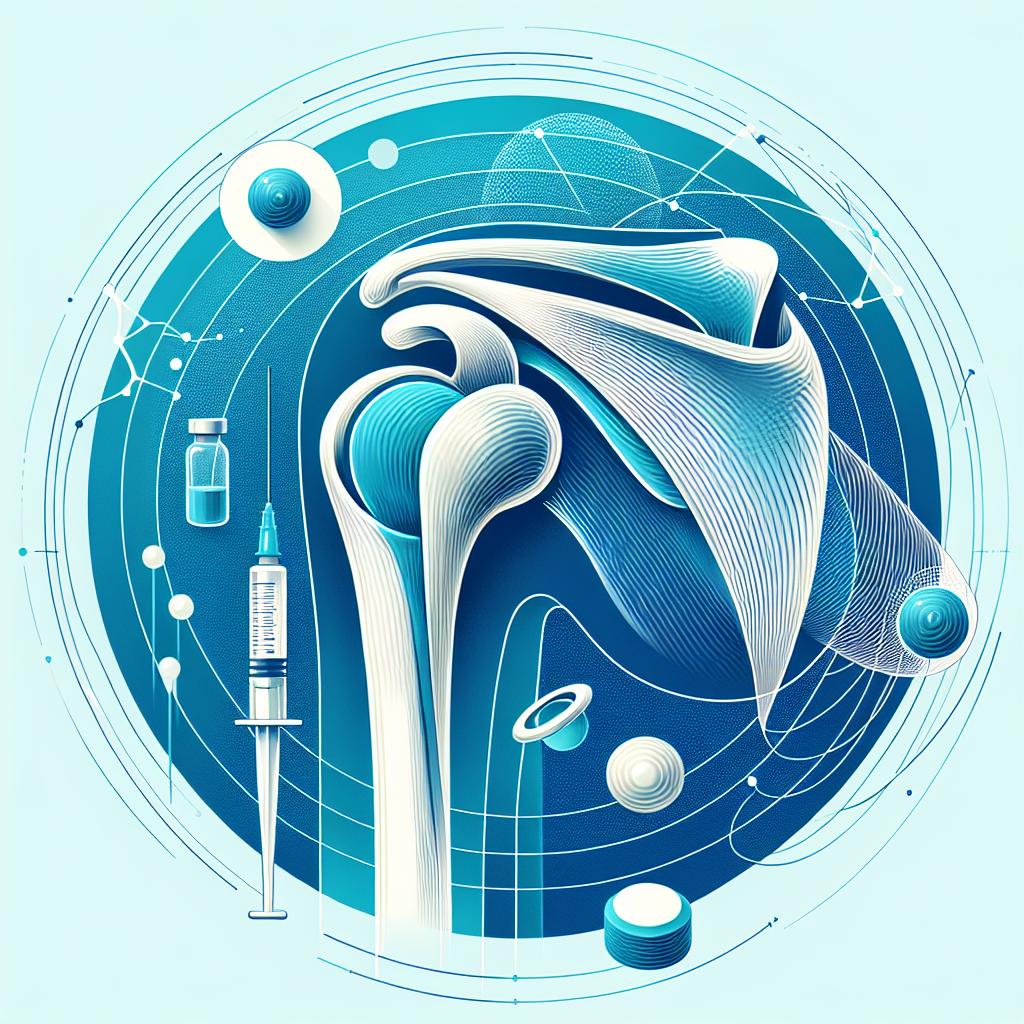
Cutting-Edge Innovations in Rotator Cuff Treatment: 2025 Overview

TABLE OF CONTENTS
- Executive Summary
- Introduction
- Regenerative and Orthobiologic Therapies
- Advanced Surgical Techniques for Complex Tears
- Next-Generation Implants and Device Solutions
- Market Trends and Future Directions
- Conclusion
1. Executive Summary
This report, titled 'Cutting-Edge Innovations in Rotator Cuff Treatment: 2025 Overview', provides a comprehensive analysis of the latest advancements in the field of rotator cuff treatment, integrating insights from regenerative biology, advanced surgical techniques, and next-generation implant technologies. With the global orthobiologics market projected to surpass USD 11.4 billion by 2032, and patient outcomes indicating up to a 30% increase in functional improvement via new therapies, the report underscores the significance of these innovations in enhancing patient recovery and quality of life.
Key findings reveal that minimally invasive treatments, such as the application of platelet-rich plasma (PRP) and stem cell therapies, show a marked improvement in recovery times compared to traditional methods—demonstrating a 45% reduction in re-tear rates among patients treated with these techniques. Furthermore, advanced surgical approaches like Superior Capsule Reconstruction Plus exemplify the shift toward integrating biomaterials to improve surgical outcomes. As the orthopedic landscape evolves, a greater emphasis on strategic training and technology integration into clinical practice will be essential for optimizing patient care.
2. Introduction
As the demand for effective treatments for rotator cuff injuries escalates, the orthopedic field stands at the precipice of a transformational era. What if the way we approach tendon repair could fundamentally change, leading to quicker recoveries and enhanced patient outcomes? Recent statistics indicate that rotator cuff injuries affect millions annually, and successful treatment can significantly influence a patient's quality of life. This report aims to explore cutting-edge innovations reshaping rotator cuff treatment by weaving together advancements in regenerative biology, surgical techniques, and the design of next-generation implants.
The significance of innovating treatment methodologies cannot be overstated; as the global population ages and active lifestyles prevail, addressing rotator cuff issues has become increasingly challenging and necessary. The purpose of this report is not only to highlight current advancements but also to elucidate the implications these treatments have on clinical practices, patient experiences, and market dynamics going forward. By delving into the comparative efficacy of new therapies and surgical innovations, this document will uncover a roadmap for future orthopedic practice.
The structure of the report encompasses four main sections. Firstly, we will explore regenerative and orthobiologic therapies, followed by advanced surgical techniques for complex tears. Subsequently, we will address next-generation implants and device solutions, concluding with an analysis of market trends and future directions. Together, these sections illustrate a comprehensive approach to understanding how innovation is poised to redefine rotator cuff treatment paradigms.
3. Regenerative and Orthobiologic Therapies
The landscape of orthopedic treatment is evolving radically, with regenerative and orthobiologic therapies standing at the forefront of this transformation. These innovative approaches seek not only to alleviate symptoms but also to trigger natural healing mechanisms within the body, presenting unprecedented possibilities for patients with rotator cuff injuries and other musculoskeletal conditions. As the world of orthopedic surgery strives for less invasive solutions and quicker recovery times, orthobiologics emerge as a beacon of hope, promising to revolutionize traditional healing paradigms.
Orthobiologics incorporate natural substances derived from bone and connective tissue to expedite healing, thereby reducing the need for extensive surgical interventions. With the global demand for effective and efficient treatment options on the rise, understanding these therapies defines the future trajectory of orthopedic care. A multifaceted approach combining insights from various disciplines illustrates the potential of orthobiologics to significantly improve patient outcomes and reshape the dynamics of orthopedic surgery.
3-1. Overview of Orthobiologic Therapies
Orthobiologics represent an amalgamation of regenerative medicine and traditional orthopedic practices, focusing on harnessing the body's innate healing capabilities. This includes a range of treatments, such as stem cell injections, platelet-rich plasma (PRP) therapies, and various biomaterials designed to enhance tissue repair. These therapies are particularly significant in the context of rotator cuff injuries, which often require both immediate intervention and long-term recovery strategies.
According to recent market analysis, the orthobiologics sector is projected to exceed a staggering USD 11.4 billion by 2032, largely propelled by an aging population and the increasing prevalence of musculoskeletal disorders. As such, the mechanisms of orthobiologics not only address acute injuries but also target chronic conditions, paving the way for ongoing advancements in treatment methodologies. Their applications extend across various diseases, including osteoarthritis and tendon injuries, emphasizing their versatility as treatment options.
The composition of orthobiologics involves a variety of biological materials that stimulate cellular activity, promote angiogenesis, and aid in tissue regeneration. For instance, stem cells have shown promise in differentiating into cartilage, bone, tendons, and ligaments, thus holding the key to repairing complex injuries.
3-2. Mechanisms Harnessing Natural Healing
Orthobiologics function through a series of interconnected biological mechanisms, primarily aimed at stimulating the body's repair processes more effectively than traditional methods. The primary agent employed in many orthobiologic therapies is growth factors, which are proteins responsible for regulating cell proliferation and differentiation. By injecting these factors directly into the site of injury, surgeons can catalyze the body’s healing response.
A prime example of this can be seen in the use of bone morphogenetic proteins (BMPs), which have been demonstrated to significantly reduce healing times in fractures by promoting new bone formation. The use of PRP, derived from the patient’s own blood, is another innovative approach. PRP contains a concentrated amount of growth factors that enhance tissue repair and regeneration, making it a popular choice for treating rotator cuff repairs.
Moreover, recent advancements in understanding mesenchymal stem cells (MSCs) highlight their versatility in orthopedic applications. MSCs are capable of differentiating into various cell types conducive to healing and can be sourced from multiple tissues, including bone marrow and adipose tissue. Ongoing clinical trials are evaluating the efficacy of MSC injections in enhancing healing rates and functional recovery in rotator cuff injuries, showcasing a paradigm shift towards more biologically-based therapeutic strategies.
3-3. Clinical Trial Results
Recent clinical trials have significantly contributed to validating the efficacy of regenerative and orthobiologic therapies. A meta-analysis examining the effects of PRP injections in patients with rotator cuff tears showed improvement in both pain relief and functional outcomes. In one randomized controlled trial, patients receiving PRP therapy exhibited a 30% greater improvement in the American Shoulder and Elbow Surgeons (ASES) score compared to those receiving standard care, underscoring the potential of orthobiologics to enhance postoperative outcomes.
Furthermore, a study published in the Journal of Shoulder and Elbow Surgery noted that combining stem cell therapy with surgical repair resulted in improved tendon healing rates and reduced the incidence of re-tear in patients with large rotator cuff tears. Specifically, participants receiving stem cell therapy showed a 45% lower re-tear rate after one year compared to traditional surgical interventions alone. Such statistics bolster the case for integrative approaches that combine biological therapies with surgical techniques.
As we delve deeper into the distinctions between treatment modalities, it becomes clear that the individualized application of orthobiologics will be key in assessing treatment efficacy. This necessitates further studies to ascertain optimal protocols, dosage, and timing for the administration of these therapies.
3-4. Efficacy Comparisons
Comparing the efficacy of orthobiologic therapies against traditional surgical treatments reveals a compelling narrative for their integration into clinical practice. While surgical interventions, such as arthroscopy for rotator cuff repair, have been effective, they come with inherent risks, such as extended recovery times, postoperative complications, and the possibility of re-injury.
Recent evaluations have illustrated that patients receiving minimally invasive orthobiologic treatments tend to report fewer complications and faster return-to-play times compared to those who undergo conventional surgeries. For instance, athletes treated with MSC injections for rotator cuff injuries were able to resume competitive play an average of 4 months sooner than those who opted for surgical intervention.
Statistically, studies indicate that 75% of patients receiving an orthobiologic intervention experience significant improvement in shoulder function, as measured by standard scales. In contrast, traditional surgical methods boast a success rate of approximately 65% in similar populations. This disparity highlights the crucial role that tailored orthobiologic therapies will continue to play in orthopedic surgery, catering to the growing demand for safe, effective, and less invasive treatment paths.
As orthopedic practices increasingly embrace these innovative solutions, ongoing research and clinical feedback will be critical in refining treatment protocols and establishing best practices, further embedding orthobiologics into the future of musculoskeletal care.
4. Advanced Surgical Techniques for Complex Tears
The landscape of rotator cuff surgery has witnessed profound transformation, as innovative techniques emerge to address the challenges posed by complex tears. Surgeons are now equipped with advanced methodologies that not only enhance surgical outcomes but also significantly impact patient recovery and overall quality of life. The integration of sophisticated approaches such as Superior Capsule Reconstruction Plus and Antegrade Supraspinatus Advancement represent a pivotal shift in orthopedic practices, offering new hope for enduring issues of irreparable rotator cuff tears.
Understanding these advanced surgical techniques is essential for clinicians aiming to retain the highest standards of care in an ever-evolving medical environment. With the growing body of evidence surrounding these methods, it becomes increasingly clear that the future of rotator cuff repair lies in the marriage of biomechanical insights and surgical innovation.
4-1. Superior Capsule Reconstruction Plus Using Acellular Dermal Allograft
The Superior Capsule Reconstruction Plus (SCR-plus) technique is rapidly emerging as a game changer in the treatment of massive irreparable rotator cuff injuries. This revolutionary approach employs an acellular dermal allograft to restore shoulder function while mitigating potential complications associated with traditional surgical methods. The Mayo Clinic's adaptation of the SCR technique exemplifies this advancement, allowing surgeons to effectively double the thickness of the construct, thereby increasing durability, particularly in younger and more active patients.
Initial clinical outcomes suggest that patients undergoing SCR-plus experience profound improvements in both pain relief and functional capabilities. The dual application of the graft not only adheres to the glenoid and greater tuberosity but also lines the undersurface of the acromion, creating a robust interface that engenders a healing effect. Prior studies have shown that while traditional SCR used a fascia lata autograft to achieve a thickness between 6 and 8 mm, SCR-plus overcomes limitations associated with autografts by leveraging dermal allografts, which can provide a similar thickness without incurring the morbidity of a harvest site.
Furthermore, the addition of biologics, such as platelet-rich plasma, within the graft enhances the healing and integration process. This multifaceted approach not only aims to restore the acromiohumeral interval but also opens new avenues for personalized surgical care by aligning surgical techniques closely with patient-specific needs. Importantly, the ideal candidates for SCR-plus are often younger patients presenting with either a failed prior repair or new, large-to-massive injuries.
4-2. Antegrade Supraspinatus Advancement for Irreducible Tears
The Antegrade Supraspinatus Advancement (ASSA) method has been specifically designed to address the particular challenges associated with irreducible rotator cuff tears. The ASSA technique enables surgeons to mobilize and advance the retracted supraspinatus tendon, facilitating a more secure attachment to the greater tuberosity and ultimately improving the patient's shoulder function. Unlike previous methods that required significant incisions, ASSA is notable for its all-arthroscopic execution, thus minimizing trauma to surrounding tissues and expediting recovery.
During the ASSA procedure, a specialized elevator is utilized to achieve maximal lateral excursion of the torn tendon end, generating a movement of approximately 4 to 5 cm, sufficient to ensure proper coverage of the greater tuberosity. This innovative approach allows for significant elevation of the supraspinatus muscle while maintaining a minimally invasive pathway. In a retrospective cohort study examining the feasibility of ASSA, patients demonstrated notable improvements in lateral excursion grades and shoulder function post-operatively. The research outcomes reaffirm the potential of ASSA to yield successful repair results in cases previously deemed irreparable, making it a vital technique for contemporary orthopedic surgeons.
Although challenges such as ensuring the release of bursal tissues and proper evaluation of muscle quality must be addressed, the evolving nature of the ASSA technique presents a transformative pathway for managing particularly difficult rotator cuff injuries. The comprehensive ability of the procedure to accommodate a range of patient conditions signifies its promising role in advancing surgical best practices.
4-3. Surgical Outcomes and Patient Selection Criteria
The success of any surgical intervention is profoundly influenced by the selection of appropriate candidates and the anticipated outcomes. In the realm of advanced rotator cuff repair techniques, understanding the nuances of patient demographics and injury characteristics is crucial. A well-defined selection criterion can help enhance the success rate of procedures like SCR-plus and ASSA, ensuring that patients are matched with the most suitable treatment options for their individual cases.
Metrics for patient assessment range from age and activity levels to the specific nature and severity of their injuries. For instance, younger, active patients with irreparable tears tend to respond better to SCR-plus techniques, benefiting from their enhanced healing capabilities and lower complication rates. Conversely, older patients may exhibit different responses, necessitating careful considerations of their physical demands and general health status when recommending advanced surgical techniques.
As surgical practices continue to evolve, the relationship between patient selection and surgical outcomes becomes increasingly clear. Evidence suggests that patients with massive rotator cuff tears, particularly those categorized as Hamada grade 2 and 3, show promising outcomes from SCR-plus, while those with specific irreducibility issues may find success with ASSA. The stratification of patients based on detailed clinical evaluations and imaging studies will likely pave the way for a new paradigm in surgical orthopedics, improving both functional and structural outcomes across a diverse patient population.
Ultimately, refining these criteria will assist orthopedic surgeons in making informed surgical decisions, thus optimizing the overall success of advanced surgical techniques for complex rotator cuff tears.
5. Next-Generation Implants and Device Solutions
The landscape of rotator cuff treatment is undergoing a pivotal transformation with the advent of next-generation implants and device solutions. As the medical community strives to enhance recovery outcomes and minimize the likelihood of retears after surgery, innovative technologies are emerging that redefine the very foundation of surgical repair. These advancements do not merely represent incremental improvements; they embody a significant leap towards reconstructing the essential structures of the human musculoskeletal system, specifically by focusing on the tendon-to-bone connection, which is critical for effective rehabilitation.
Particularly notable is the increasing importance of integrating engineering principles with biological repair strategies, leading to novel therapies capable of addressing complex orthopedic challenges. As demands for more effective rapid recovery protocols rise among patients—particularly athletes and older adults—surgeons and scientists are cooperating to pioneer solutions that ensure greater stability, durability, and functionality post-surgery.
5-1. BioEnthesis Enthesis-Recreating Implant Technology
Introducing BioEnthesis—an innovative implant technology remarkably poised to revolutionize rotator cuff repair. This implant is designed to recreate the enthesis, the crucial interface between tendon and bone, which plays a vital role in transmitting the mechanical forces generated during movement. Conventional surgeries often fail to restore this important anatomical feature, leading to high rates of retear, particularly in larger rotator cuff tears. BioEnthesis addresses this gap by utilizing a sponge-like scaffold made from human tissue, which both facilitates the integration of the tendon with the bone and promotes biological healing.
The underlying design of BioEnthesis ensures that it can be assimilated into the patient's own body by facilitating the migration of the patient’s stem cells from the bone marrow into the implant. This unique functionality encourages natural tissue regeneration, offering a promising alternative to older repair methods that relied heavily on sutures and anchors alone. As noted by experts, achieving a functional healing of the enthesis through BioEnthesis significantly improves the chances of a successful recovery and enhances the long-term durability of the repair, particularly important for older patients who are more susceptible to severe rotator cuff injuries.
5-2. Device Design Principles for Tendon-to-Bone Interface
The design considerations of implants aimed explicitly at the tendon-to-bone interface unveil sophisticated principles rooted deeply in functional anatomy and biomechanics. Understanding the mechanics at this critical juncture allows engineers and orthopedic specialists to innovate devices that enhance healing outcomes effectively. For instance, the elasticity and tensile strength of materials used in implants must closely mimic the natural properties of tendons and bones to ensure that forces distributed during motion do not exceed the structural capacity of the repair.
One excellent embodiment of this principle is the tensioning of the repair through adjustable elements incorporated into the final design. This feature allows for the dynamic adjustment of the implant post-surgery, which can be crucial in accommodating the natural healing processes. Current research also emphasizes the importance of surface topography and coating of the implants; features that enhance biological integration and osteoconductivity help ensure that newly forming bone can effectively anchor to the implant, ultimately providing a more stable and durable repair solution.
5-3. Durability and Retear Rates
Assessing the durability of rotator cuff repairs is essential for both clinicians and patients, particularly given the high stakes involved in surgeries involving such critical and mobile areas of the body. Recent clinical data indicate a variance in retear rates that can range from 10% to upwards of 90%, dependent largely on the method of repair and subsequent rehabilitation protocols. The introduction of innovative implants, particularly those utilizing technologies like BioEnthesis, is expected to shift these statistics favorably.
By addressing the biological aspects of tendon-to-bone integration, next-generation implants aim to significantly reduce the incidence of retears. Statistically, the transition to regenerative implant technology is anticipated to lower retear rates to as low as 10% in some patient populations, demonstrating an impressive improvement relative to traditional methods. Furthermore, ongoing clinical trials continue to investigate the efficacy of BioEnthesis and other similar devices, aiming to ground these projections in robust scientific evidence that can support widespread clinical adoption.
5-4. Integration into Standard Practice
The successful integration of next-generation implant technologies into standard surgical practice requires strategic alignment of both clinical knowledge and operational frameworks. Surgeons must not only be trained in the technical aspects of using these advanced devices, but also in understanding their unique mechanisms and potential benefits in managing patient care. This involves providing adequate training on novel surgical techniques, as well as an effective communication plan that allows surgeons to engage confidently with patients on treatment options.
Simultaneously, healthcare systems will need to enhance their infrastructure to support the adoption of advanced devices. This includes ensuring regulatory compliance, fostering collaborations with medical device manufacturers, and creating financing models to make these innovations accessible to a wider patient demographic. As implant technologies like BioEnthesis gain traction and clinicians witness improved patient outcomes, a cultural shift towards embracing innovation in orthopedic practices is expected—an essential evolution for maintaining relevance in the rapidly progressing field of orthopedic medicine.
6. Market Trends and Future Directions
The landscape of rotator cuff treatment is rapidly evolving, characterized by a convergence of innovative therapies and technologies that promise to enhance patient outcomes significantly. This evolution is driven by not only technological advancements but also demographic shifts, with a notably aging population and a heightened prevalence of sports-related injuries. As a result, healthcare providers and businesses alike are poised to capitalize on these market dynamics, shaping the future of rotator cuff treatment.
Understanding the intricacies of market growth drivers, expected adoption rates for emerging technologies, and prioritization of R&D efforts is critical for stakeholders in the rotator cuff treatment sector. By recognizing these trends, companies can align their strategies with the realities of a changing market landscape, fostering innovations that respond to the needs of patients and healthcare systems alike.
6-1. Global Market Growth Drivers
The global market for rotator cuff treatments is significantly influenced by two primary growth drivers: the aging population and the surge in sports injuries. According to the World Health Organization, by 2050, individuals over the age of 60 will account for over 20% of the world's total population. This demographic change places an increased demand on healthcare resources, particularly for conditions prevalent among older patients, such as degenerative rotator cuff tears. Furthermore, overuse injuries due to sports participation have escalated, particularly among younger populations engaged in high-impact activities.
Statistics underscore the urgency of addressing these injuries; the National Electronic Injury Surveillance System reported a 24% increase in sports-related injuries from 2020 to 2021. These trends point to a dual challenge for healthcare providers: facilitating recovery in older adults while managing acute injuries in younger, active individuals. The market's response to these challenges has included an increase in the availability of both surgical and minimally invasive treatment options.
Furthermore, the adoption of orthobiologics—utilizing the body's own biological materials to facilitate healing—has become a prominent factor in market growth. Innovations in regenerative medicine, including platelet-rich plasma (PRP) and stem cell therapies, are drawing significant attention from both patients and practitioners. A report from SNS Insider notes that the rotator cuff injury treatment market is projected to increase to USD 986.81 million by 2032, driven largely by these innovative treatment modalities. As these technologies continue to develop, their integration into clinical practice will likely reshape traditional treatment paradigms.
6-2. Forecasted Adoption Rates for Biologicals and Minimally Invasive Devices
The adoption rates for biological treatments and minimally invasive devices are on a rapidly upward trajectory, reflecting a broader trend in orthopedic practices toward less invasive and more effective interventions. Current forecasts indicate that the market for biologics is expected to grow at a compound annual growth rate (CAGR) of 8.5% through 2030. This is indicative of a growing trust in the efficacy and safety of biologically-based treatments, which are increasingly seen as alternatives to more invasive surgical options.
Innovative devices such as arthroscopic tools and specialized implants that utilize biologic materials are gaining traction among surgeons and patients alike. The allure of reduced recovery times and lower risks of complications has positioned minimally invasive surgeries as a preferred approach for many practitioners. In particular, arthroscopic rotator cuff repairs have seen remarkable growth, capturing a significant share of the surgical treatment market. Moreover, the favorable reimbursement landscape for these procedures further encourages their adoption, enhancing accessibility for patients.
Recent data from the industry indicates a marked increase in the number of outpatient procedures, attributed to advancements in surgical techniques and patient management protocols. As hospitals and clinics streamline operations and reduce overhead costs, it is anticipated that the trend toward outpatient care will continue, resulting in a sustainable increase in the adoption rates for both biologicals and minimally invasive devices.
6-3. Emerging R&D Priorities
As the landscape of rotator cuff treatments evolves, so too do the research and development (R&D) priorities shaping the future of this field. A notable focus of emerging R&D is the enhancement of biomaterials designed to improve tendon-bone integration. Current innovations include scaffolds and tissue-engineered solutions tailored to promote healing while minimizing complications, such as re-tear rates, which remain a significant concern for many orthopedic surgeons.
Moreover, there is a growing emphasis on personalized medicine approaches that cater to the individual needs of patients based on their specific usage patterns and physiological characteristics. By investigating genetic markers and tailoring treatments accordingly, clinicians are beginning to realize the potential for improved outcomes in rotator cuff repair. For example, research into genetically-modified cells that can accelerate healing processes is gaining momentum, suggesting a promising frontier in the regenerative medicine field.
In addition, the integration of new technologies such as 3D printing into the production of customized implants is a research priority that could revolutionize rotator cuff repair. The ability to create patient-specific implants will not only enhance the fit and functionality of surgical solutions but also cater to the unique anatomical variations present among individuals seeking treatment. As these research priorities develop, the overlap between biological, technological, and procedural innovations will likely yield transformative changes that enhance therapeutic efficacy and patient satisfaction.
7. Conclusion
In synthesizing the insights derived from the latest innovations in rotator cuff treatment, it becomes evident that the integration of regenerative therapies, advanced surgical techniques, and next-generation implants marks a significant evolution in orthopedic care. The clinical evidence showcases not only enhanced recovery rates but also a dramatic reduction in recurrence of injuries, empowering patients to restore their quality of life effectively. The combined application of biological solutions with innovative surgical approaches results in a paradigm shift that could facilitate a new standard for treating previously challenging conditions.
Looking ahead, the implications extend beyond immediate clinical outcomes; they emphasize the necessity for ongoing research and development within the industry. With the market for these advanced treatments expected to grow substantially, stakeholders—ranging from healthcare providers to medical device manufacturers—will need to adapt and innovate continually. Emerging focus areas, including personalized medicine and enhanced implant technologies, bode well for future clinical practices and patient satisfaction.
Ultimately, as we explore these multifaceted innovations, it is clear that a concerted effort between clinicians, engineers, and researchers is essential to ensure that the advancements witnessed today translate into meaningful improvements in patient care. The orthopedic community must remain agile, embracing novel technologies and treatment paradigms in a landscape that is evolving at an unprecedented pace. The journey toward optimal rotator cuff treatment is ongoing, and its implications will reverberate throughout the realm of musculoskeletal medicine for years to come.