Innovations Transforming Sustainable Agriculture in 2025

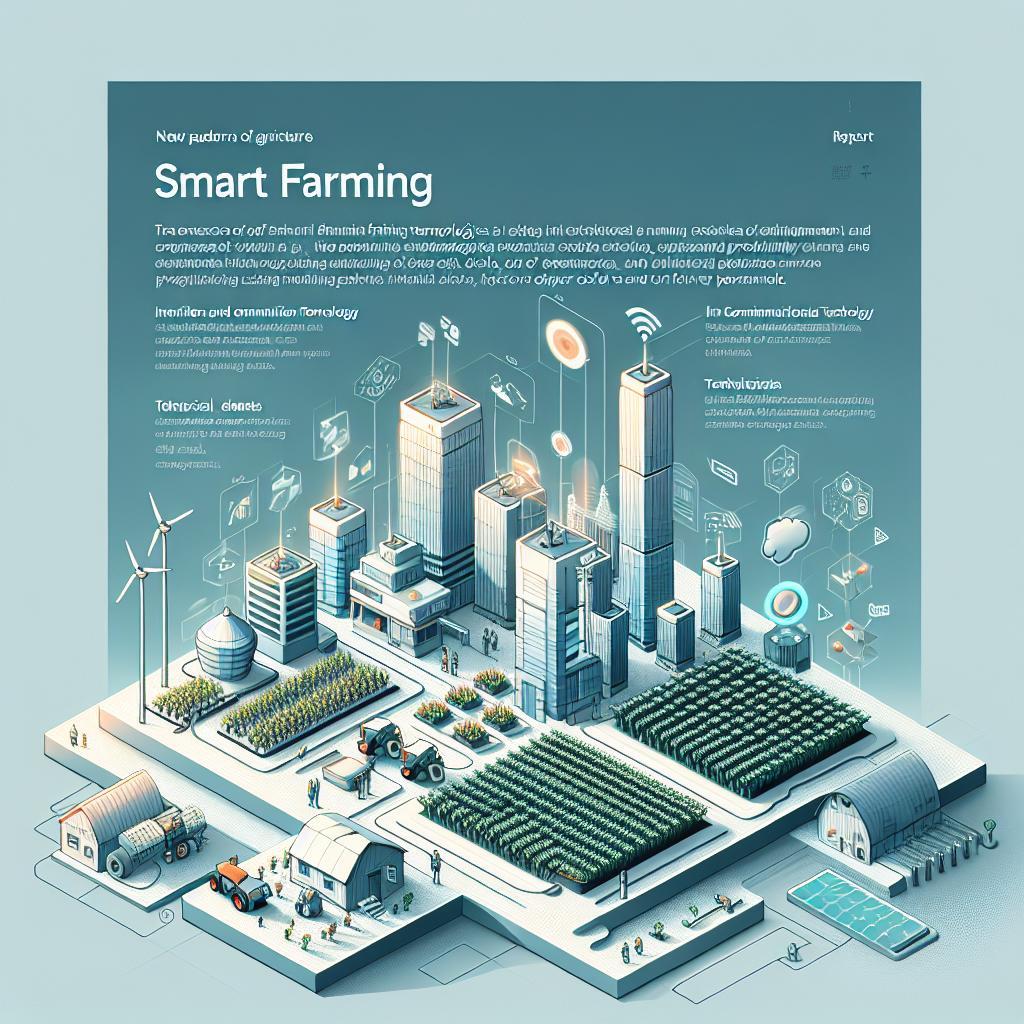
As of May 14, 2025, agriculture is experiencing a remarkable technological evolution, characterized by innovative advancements that address pressing food production challenges. Key developments in vertical farming, precision management, and sustainable practices have all emerged as pivotal components of this transformation. Recently, the launch of the world's first robotic vertical farm by AutoStore and OnePointOne exemplifies how modern technology can streamline urban agriculture, mitigating labor shortages and inefficiencies in the supply chain. This facility, operational since May 13, 2025, significantly shortens growth cycles, producing harvest-ready crops in just 15 days, thus catering to the rising demand for locally sourced food in urban centers. In tandem with these advancements, a significant milestone was achieved with the awarding of the $500,000 World Food Prize to Brazilian microbiologist Mariangela Hungria for her groundbreaking research in reduced-chemical fertilization, emphasizing the potential for biological solutions to promote sustainable farming practices. These efforts showcase how precision farming technologies and new funding initiatives are transforming agricultural landscapes, particularly in high-input crops such as potatoes and other staples. The advancements in crop science reflect a broader commitment to eco-friendly practices that not only enhance yields but also protect the environment by minimizing chemical runoff and promoting soil health. Looking at the economic landscape, not only are stakeholders focusing on cutting-edge technologies and innovative practices, but they are also engaging in robust global partnerships. Anticipation is building for the upcoming GBEP Bioenergy Week in July 2025, which aims to unify thought leaders in bioenergy initiatives as they navigate the challenges of climate change and strive for food security. By integrating investment, technology, and partnerships, the agricultural sector is poised to tackle these issues head-on, paving the way for a sustainable and resilient future.
Robotic Vertical Farming Revolution
Unveiling the world’s first robotic vertical farm
On May 13, 2025, AutoStore and OnePointOne launched what is being hailed as the world’s first robotic vertical farm. The facility, located at Opollo Farm, harnesses innovative automated cubic storage methods to supply select Whole Foods Market locations with fresh leafy greens and herbs. What is particularly compelling about this farm is its ability to grow produce in a precision-controlled environment, where robots adeptly manage the positioning of crops to optimize water and nutrient delivery. This process significantly reduces the growth cycle, with harvest-ready greens available in just 15 days—approximately half the time compared to traditional farming methods. This advancement not only targets pressing agriculture challenges such as labour shortages and supply chain inefficiencies but also aims to meet the rising demand for fresher, locally produced food.
The robotics employed at Opollo Farm reflect a significant step towards mechanizing urban agriculture, enhancing efficiency, and supporting a model of food production that is less reliant on extensive land use. The strategic implementation of this technology engages with key trends in sustainable agriculture by allowing for food production closer to urban centers, thus reducing transportation costs and carbon emissions.
Automated cubic storage supply chains
The robotic vertical farming model introduced by OnePointOne relies heavily on automated cubic storage systems—a critical element in optimizing supply chains for urban agriculture. This technology permits an efficient use of vertical space while ensuring that crops are stored and accessed with minimal logistical hurdles. The innovation lies in its ability to integrate with existing distribution networks, which aids retailers like Whole Foods Market in maintaining freshness and reducing waste. By employing automated systems for both cultivation and logistics, these vertical farms contribute to a more sustainable food system, aligning with the growing global emphasis on minimizing environmental impact while maximizing productivity.
Urban vertical farming trends and impacts
The rise of urban vertical farming represents a transformative trend that is reshaping our approach to agriculture in densely populated areas. These farms are not merely about producing food; they symbolize a shift towards a more sustainable urban ecosystem where food can be grown directly within city limits. This approach tackles critical urban challenges, including limited agricultural land and rising food demand amidst increasing city populations. As highlighted in recent discussions on vertical farming innovations, urban settings are now utilizing technology to grow crops year-round, irrespective of external climatic conditions, effectively making cities more food resilient.
Moreover, the environmental benefits of vertical farming extend beyond just local food production. By reducing the need for transportation, this method lowers carbon emissions associated with food distribution. Vertical farms often incorporate sustainable practices, such as water conservation technologies and renewable energy sources, further contributing to their positive environmental footprint. As cities continue to grapple with resource challenges, the growth of robotic vertical farms offers an encouraging glimpse into a future where urban agriculture is not only feasible but also vital for achieving food security.
Breakthroughs in Crop Science and Fertilization
World Food Prize awarded for reduced-chemical fertilization research
This year, the World Food Prize was awarded to Brazilian microbiologist Mariangela Hungria for her groundbreaking work in reducing chemical fertilizer use. Her research has significantly contributed to Brazil's agricultural success, propelling the country to become a leading soybean producer on the global stage. Hungria's focus on biological nitrogen fixation, which involves using soil bacteria to enhance plant growth without the need for synthetic nitrogen fertilizers, has not only improved crop yields but also shown promise in various environmental benefits, such as reducing greenhouse gas emissions and protecting groundwater from pollution.
Hungria's dedication to enhancing sustainable agricultural practices for over 40 years culminated in recognition from the World Food Prize Foundation. The $500,000 prize, announced recently, acknowledges her extraordinary scientific achievements and commitment to promoting ecological stewardship in farming. She emphasized the potential of biological processes to maintain high crop yields without compromising environmental health, reinforcing the importance of this research in addressing global food security challenges.
Next-gen fertilization techniques in potato production
The landscape of potato fertilization is undergoing a significant transformation with the advent of next-generation techniques that focus on precision, organic practices, and a reduction in synthetic inputs. Recent studies have highlighted the urgent need for these innovations due to escalating input costs, stringent environmental regulations, and the effects of climate change that disrupt traditional fertilization methodologies.
Farmers are now embracing a systems approach to fertilizer management, which incorporates real-time data for optimal decision-making. The reliance on blanket applications of fertilizers is being replaced with precision methods that emphasize nutrient-use efficiency. This shift is essential, especially for crops like potatoes that require high levels of nutrients but are sensitive to soil conditions. Effective strategies such as integrating organic matter and leveraging precision agriculture technologies allow for targeted nutrient applications, ultimately enhancing yield while minimizing environmental impact. The emerging trends underscore a holistic view where successful farming integrates economic viability, environmental stewardship, and sustainable resource management.
Major funding for pioneering crop development
In a pivotal advancement for sustainable agriculture, the Foundation for Food & Agriculture Research (FFAR) recently announced over $5 million in funding granted to the Donald Danforth Plant Science Center. This substantial investment aims to support innovative projects focused on the domestication of perennial crops and optimizing root system architecture in staple crops like corn. By reducing reliance on traditional annual crops, these efforts are expected to enhance ecosystem sustainability while maintaining productivity.
Research into perennial crops is particularly promising due to their deep-root systems that can improve soil health and nutrient retention. Moreover, another initiative targeting root architecture in corn aims to engineer nitrogen-efficient plants through symbiotic relationships with soil fungi. These comprehensive efforts demonstrate a commitment to not only advancing agricultural efficiency but also relieving the ecological burdens associated with synthetic fertilizers. Ultimately, this funding signifies a broader motion towards fostering resilient agricultural systems that address pressing issues of food security and environmental health.
Precision and Climate-Resilient Farming Techniques
Precision management ecosystems for livestock
Innovative precision farming technologies are transforming livestock management, enabling farmers to balance productivity with environmental sustainability. One notable example is Gallagher Animal Management’s integrated precision farming ecosystem. This system incorporates eShepherd™, a GPS-enabled virtual fencing tool, allowing ranchers to manage livestock boundaries without traditional fencing. It empowers ranchers to create and adjust virtual paddocks quickly, improving pasture management and reducing labor costs. Additionally, the Auto Weigher system automates weight monitoring, providing real-time insights into livestock health and facilitating optimized feed and breeding decisions. These advancements align with regenerative practices, notably through rotational grazing that prevents overgrazing and promotes land health, which is crucial in the face of climate variability.
Adapting potato farming to extreme weather
Potato farming is increasingly challenged by climate change, manifesting in extreme weather events that jeopardize yields. To combat these challenges, the international potato community is implementing climate-resilient strategies that encompass breeding for resilience and smart water management. New potato varieties are being developed for drought resistance and heat tolerance, aiming to thrive even under adverse conditions. Furthermore, advanced irrigation techniques, such as drip and precision irrigation, are proving essential for effective water use and sustainable production. Farmers are leveraging sensor technologies to monitor soil moisture and adjust watering schedules dynamically, ensuring crops receive the precise amount of water needed for optimal growth.
Next-gen greenhouse water-saving innovations
Greenhouse agriculture, known for its efficiency, is undergoing a revolutionary transformation with next-generation water-saving technologies. Recent studies highlight the importance of a nexus approach that simultaneously addresses water, energy, and food security through integrated resource management. Advanced sensor networks are being utilized to monitor conditions such as soil moisture and plant water stress, allowing for precise control over irrigation practices. Techniques like hydroponics and atmospheric water harvesting are further enhancing sustainability by minimizing water use and ensuring climate resilience. This shift not only conserves resources but also prepares greenhouses for the uncertainties posed by climate change.
Soil health and unexpected climate impacts
The health of soil is crucial for agricultural productivity and climate resilience. Unfortunately, over-farming has degraded a significant portion of farmland across Europe and the UK, reducing soils' ability to retain water and carbon and exposing crops to increased flooding and drought. Reports indicate that more than 60% of EU farmland is suffering from soil degradation linked to intensive agricultural practices. In response, there’s a renewed focus on soil restoration through government initiatives and sustainable farming practices, including compost application, cover cropping, and minimized tillage. By prioritizing soil health, farmers can enhance their land’s capacity to withstand climatic stresses and contribute to carbon sequestration, aligning agricultural practices with environmental stewardship.
Global Partnerships and Sustainable Energy Integration
12th GBEP Bioenergy Week in Kampala
The upcoming 12th GBEP Bioenergy Week, scheduled to take place from July 7 to July 11, 2025, in Kampala, Uganda, represents a significant international gathering aimed at advancing bioenergy initiatives across Africa. Organized by the Global Bioenergy Partnership in collaboration with the Food and Agriculture Organization (FAO) and the Ugandan government, this event is expected to bring together a diverse assembly of stakeholders, including experts, decision-makers, and representatives from the private sector, all focused on enhancing the sustainable role of bioenergy in achieving climate goals and food security. The conference will focus on key themes such as modern energy access, clean cooking solutions, and Water-Energy-Food-Ecosystem management, which will contribute toward shaping global and regional policies.
This Bioenergy Week will not only facilitate networking and collaboration among various stakeholders but will also aim to showcase best practices and lessons learned in the sustainable management of bioenergy systems. By focusing on Africa's unique challenges and opportunities, the event emphasizes the importance of tailored policies that consider local conditions to attract necessary investments. In light of the global recognition of the critical challenges associated with climate change, the discussions at this event will likely address the need for sustainable energy solutions that prioritize resilience and inclusivity.
Agroforestry and Forest Garden Systems
Agroforestry, particularly through the implementation of forest gardens, is a burgeoning area of focus not just in Africa but globally as a mechanism for achieving sustainable development. Forest gardens, which integrate trees, crops, and livestock, replicate natural ecosystems while providing a multitude of benefits such as improved biodiversity, carbon sequestration, and enhanced food security. Areas like Jammu and Kashmir in India are exploring the potential of these systems to address environmental and socio-economic challenges, as they can greatly improve soil health and water conservation, while also offering diversified income opportunities for local communities.
In the context of sustainable energy integration, agroforestry systems enhance the efficiency of land use and resource management. They foster a symbiotic relationship between agricultural practices and energy production, exemplifying how ecological principles can improve agricultural resilience against climate impacts. As partnerships evolve to champion these innovative approaches, the role of forest gardens could become central to future food and energy security strategies, particularly for rural areas looking to bolster their economic viability through sustainable practices.
Cross-Sector Collaborations for Food and Energy Security
The integration of food and energy security, particularly through cross-sector collaborations, is becoming increasingly paramount in the wake of climate challenges and global economic shifts. Efforts are underway to foster partnerships among governmental agencies, non-governmental organizations, academic institutions, and private corporations aimed at addressing food insecurity through sustainable energy solutions. Such collaborations are crucial in developing frameworks that support the dual objectives of increased agricultural productivity and sustainable energy access.
As a forward-looking strategy, organizations are looking to harness cutting-edge technologies and innovative practices, such as precision agriculture, which can optimize resources and reduce waste. These interventions, when supported by strategic partnerships, have the power to significantly enhance rural livelihoods while promoting environmental sustainability. As stakeholders gear up for forthcoming forums and events, the dialogue surrounding these collaborations will be vital for establishing action plans that advance food and energy resilience, all while aligning with the Sustainable Development Goals (SDGs).
Economic Drivers and Policy Frameworks for Sustainability
Global market trends in sustainable agriculture
As of April 2025, the sustainable agriculture market is undergoing significant changes, influenced heavily by rising consumer awareness regarding environmental and social impacts of food production. The Innova Market Insights research indicates a marked shift in consumer preferences towards products that prioritize sustainability, transparency, and a minimal environmental footprint. This shift is not merely a trend among niche markets; it is becoming a fundamental expectation from consumers globally. They are increasingly demanding practices that emphasize reduced water and energy usage, a commitment to biodiversity, and the adoption of regenerative methods to enhance soil health and carbon sequestration. Governments and agricultural organizations worldwide are recognizing these evolving consumer expectations and supporting innovations in sustainable practices through policies aimed at enhancing the resilience of food systems.
Japan’s smart agriculture revenue outlook
Recent reports as of May 2025 predict that Japan's smart agriculture market will dramatically grow from USD 213 million in 2023 to approximately USD 581.2 million by 2032, marking a compound annual growth rate of 11.8%. This growth is essential as Japan faces unique challenges, including an aging agricultural workforce and limited arable land. The integration of innovative technologies such as IoT, robotics, and AI is not just beneficial; it is critical for the country to enhance productivity while minimizing resource waste. With government initiatives promoting these technologies, farmers are increasingly adopting precision agriculture to improve farm efficiency and sustainability.
Inflation’s impact on farm inputs
The ongoing inflation crisis has had profound and challenging impacts on agriculture, significantly affecting input costs for farmers. As of May 2025, the rise in costs for seeds, fertilizers, and equipment is reported at approximately 10–20% annually in numerous regions. This inflationary pressure makes it increasingly difficult for farmers to manage operational budgets while maintaining crop yields. The challenges include limited access to high-quality inputs, which is essential for optimal plant health and productivity. Farmers are compelled to either cut back on necessary inputs or substitute them with lower-quality alternatives, ultimately leading to potential declines in crop quality and yield. The financial strain is evident, as many farmers are reconsidering their strategies to adapt to these economic pressures.
Climate-smart farming in Nigeria
In Nigeria, climate change poses significant threats to agricultural productivity and food security, and as of May 2025, initiatives are being implemented to bolster resilience through climate-smart agricultural practices. With temperatures projected to increase further and erratic rainfall patterns disrupting traditional farming methods, Nigerian farmers are encouraged to adopt practices such as crop diversification, agroforestry, and improved water management strategies. These methods not only aim to enhance yield resilience but also seek to improve soil health and reduce greenhouse gas emissions. To support this transformative shift, the Nigerian government is urged to bolster agricultural research, expand access to financing, and create policies that promote sustainable agriculture.
Wrap Up
By mid-2025, the agricultural landscape is increasingly defined by an integration of robotics, biological advancements, and data-driven management. The successful establishment of robotic vertical farms not only demonstrates the feasibility of urban agriculture but also heralds a new paradigm in food production where efficiency and sustainability are paramount. With bio-based fertilization techniques leading the charge towards safer and more economical crop nourishment, we are witnessing a transformation that aligns with current health and environmental demands. Additionally, the implementation of precision ecosystems illustrates how technology can optimize yields across various agricultural sectors, addressing the dilemmas posed by climate variability and resource scarcity. Looking forward, the infusion of major funding and the anticipated forums, like the GBEP Bioenergy Week, signify a crucial momentum towards deploying sustainable practices globally. National markets, from Japan to Nigeria, are examining and restructuring their policies to elevate food systems towards greater resilience and sustainability. This global commitment to sustainable agriculture reflects a collective acknowledgment that all stakeholders—governments, scientists, and farmers alike—must collaborate in nurturing the health of our soils and ecosystems. As we tread further into this transformative era, cultivating cross-disciplinary connections, investing in scalable technologies, and emphasizing ecosystem health metrics will be instrumental in safeguarding food security and environmental integrity amid evolving challenges.