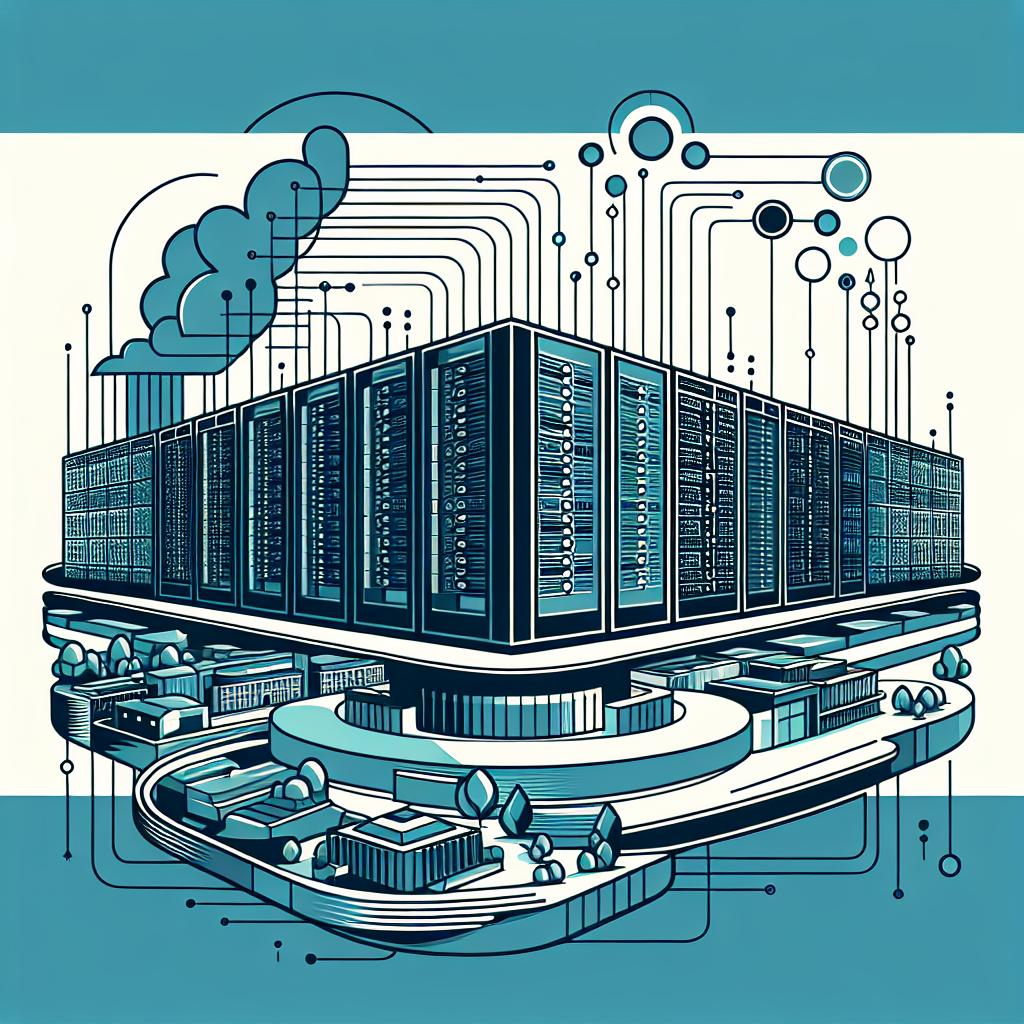
Stargate UAE: A Comprehensive Review of Abu Dhabi’s 5-GW AI Infrastructure Initiative

Review Point
- Stargate UAE represents a landmark collaboration between G42, OpenAI, Oracle, NVIDIA, Cisco, and SoftBank, aiming to establish a 1-gigawatt compute cluster within a 5-gigawatt AI campus by 2026. The initiative leverages cutting-edge hardware, extensive global expertise, and government backing to boost AI research and innovation in the MENA region. While its scale and multi-party governance model are strengths, success will hinge on seamless operational coordination, infrastructure scalability, and regulatory alignment.
- Official announcements (d1, d2, d3) and industry reports (d4, d5, d6, d7, d8, d9) document the technical specifications, partnership structure, and strategic aims, providing a data-driven basis for assessing both the project’s promise and potential execution risks.
Project Overview and Strategic Context
The Stargate UAE project marks a significant collaboration between major tech players—G42, OpenAI, Oracle, NVIDIA, Cisco, and SoftBank—aiming to establish a substantial AI infrastructure within the UAE. Scheduled to launch in 2026, the project focuses on a 1-gigawatt compute cluster, which is part of a larger ambition to create a 5-gigawatt AI campus in Abu Dhabi. This initiative aligns with the growing emphasis on international cooperation in technology, particularly in artificial intelligence, reflecting joint ambitions from both the UAE and U.S. governments to foster a robust AI ecosystem.
The physical infrastructure will encompass a sprawling 10 square miles and provide cutting-edge AI capabilities powered by a blend of nuclear, solar, and natural gas energy sources. This advanced construction aims to mitigate carbon emissions while ensuring high-performance computing capacity to support diverse AI applications. The central compute cluster is designed to enable low-latency inferencing tailored for various industries including healthcare, energy, and finance, potentially transforming the operational landscape in the region and beyond.
Partnership dynamics are crucial to the project’s success. G42 will handle the construction phase while OpenAI and Oracle will manage operations, ensuring that the facility remains aligned with the latest advancements in AI. NVIDIA contributes state-of-the-art hardware systems, particularly the Grace Blackwell GB300, which promises exceptional data processing capabilities. Security and networking aspects are covered by Cisco, establishing a secure and reliable infrastructure for the multitude of services anticipated from the Stargate UAE initiative.
Strategically, the project is designed to bolster the UAE’s position as a leader in the global AI landscape, demonstrating the country’s commitment to innovation and economic diversification. Moreover, the Stargate UAE project represents a transformative step in making AI technologies more widely accessible, especially as it includes initiatives like nationwide deployment of OpenAI’s ChatGPT, enhancing public interaction with advanced AI tools. By leveraging such technology, the initiative aims to provide significant economic benefits while fostering local talent development via associated science parks.
As the initiative progresses, its sustainable framework focuses on long-term benefits, fostering research and innovation while ensuring responsible AI development aligned with democratic values. Nonetheless, the project's ambitious scale and governing structure will require robust operational coordination and regulatory compliance to meet projected timelines and efficiency benchmarks. Stakeholder engagement remains critical in navigating the evolving technological landscape, which will determine the fruition of these aims.
Technical Architecture and Capacity
The Stargate UAE AI campus is designed to feature a robust technical architecture with a focus on high-performance computing capabilities. Central to this architecture is the 1-gigawatt compute cluster managed by OpenAI and Oracle, which will utilize NVIDIA's advanced Grace Blackwell GB300 systems. This hardware is specifically engineered to provide rapid data processing and high throughput, critical for powering AI applications. The combined 5-gigawatt capacity of the entire campus is indicative of its ambition to serve both national and global demands for AI compute resources.
The 10-square-mile campus in Abu Dhabi reflects a strategic investment in cutting-edge AI infrastructure, set against a backdrop of a broader commitment to sustainable energy solutions. Utilizing a mix of nuclear, solar, and natural gas energy, this infrastructure aims to significantly reduce carbon emissions compared to traditional data centers. The integration of these energy sources not only aligns with global sustainability goals but also ensures a reliable power supply for the anticipated heavy computational loads of advanced AI tasks.
Furthermore, the design of the compute clusters emphasizes low-latency inferencing, allowing organizations to deploy AI capabilities that require quick response times. This feature is particularly beneficial for industries such as healthcare and finance, where AI applications can revolutionize patient care and enhance financial modeling. The initial 200-megawatt AI cluster scheduled to go live in 2026 is expected to demonstrate the capabilities of this architecture, providing a foundational step towards scaling up operations in subsequent phases.
The partnerships underpinning this initiative play a significant role in the technical execution as well. G42, tasked with the physical construction of the campus, ensures that the infrastructure adheres to the highest standards of engineering and technology integration. Cisco's involvement as the provider of network services guarantees a secure and resilient connectivity framework, which is essential for supporting diverse applications and facilitating data transfer between systems effortlessly. This seamless integration of hardware, software, and network services is vital for maintaining operational efficiency and achieving the ambitious goals set for the Stargate UAE project.
Roles and Responsibilities of Key Partners
The Stargate UAE initiative hinges on effective collaboration among several key partners, each contributing unique strengths to ensure the project's success. G42, a prominent UAE-based technology company, is tasked with the construction of the AI infrastructure. This includes the physical layout of the sprawling 10-square-mile campus, which is designed to house the compute clusters and support advanced data processing requirements. G42's extensive local knowledge and expertise are crucial to navigating the regional logistical challenges associated with such a large-scale construction project.
On the operational front, OpenAI and Oracle have been assigned to manage the AI operations and ensure applicable technologies are effectively integrated. Their joint effort focuses on leveraging OpenAI's cutting-edge AI models and Oracle's robust cloud capabilities to create a seamless operational environment. This partnership aims to facilitate the deployment of AI applications across various sectors, enhancing efficiencies in government, healthcare, and education.
NVIDIA plays a critical role by supplying its advanced Grace Blackwell GB300 systems, which are engineered for optimal performance in AI workloads. This hardware is expected to deliver the necessary processing power to support high-demand applications anticipated to emerge from the campus. The use of NVIDIA's latest technology underscores the project’s commitment to integrating state-of-the-art components capable of handling intensive computational tasks.
Cisco is responsible for ensuring network security and connectivity infrastructure across the Stargate UAE campus. Their zero-trust security model and AI-ready connectivity solutions will help in establishing a secure environment for data transactions and processing. A robust network framework is essential for maintaining the operational integrity of all AI systems and facilitating real-time data flow among various applications housed within the campus.
Finally, SoftBank Group's involvement signifies an important strategic dimension as they bring significant financial backing and strategic vision to the table. Their contribution is aimed at fostering innovation and sustainable growth within the region. By investing in this project, SoftBank reinforces its commitment to driving technological advancement and enhancing the UAE's position in the global AI landscape.
Strategic and Economic Impact
The Stargate UAE initiative represents a transformative step not only for the region's AI capabilities but also for its economic landscape. By establishing a sophisticated AI infrastructure, the project sets the stage for the UAE to become a central hub for artificial intelligence research and development. This endeavor is expected to stimulate local economies through job creation, investment opportunities, and the nurturing of home-grown tech talent. The collaborative nature of the project, involving giants like G42, OpenAI, Oracle, and NVIDIA, underscores its potential to position the UAE as a leader in the global AI arena.
One of the principal objectives of the Stargate initiative is to significantly enhance AI research across various sectors including healthcare, finance, and logistics. With the state-of-the-art capabilities provided by the 5-gigawatt AI campus, the project aims to meet increasing demands for AI solutions that can lead to breakthroughs in areas such as personalized medicine and predictive analytics for supply chains. The expectation is that these advancements could not only improve efficiencies but also translate into tangible economic benefits, potentially contributing to a GDP uplift in the region.
The implications of the Stargate project extend beyond technological advancements; there is a strong emphasis on sustainable practices integrated into its operational framework. With energy sources ranging from nuclear to solar, this initiative is anticipated to reduce carbon emissions significantly, aligning with global sustainability goals. The strategic inclusion of green technology may also strengthen the UAE’s position on the international stage, showcasing its commitment to responsible innovation—a critical factor in attracting foreign investments.
Moreover, the successful execution of Stargate UAE is set to solidify UAE's reputation as a forward-thinking nation in AI development. This positions the UAE favorably for future collaborations between local and international tech firms, enhancing its attractiveness for hosting global AI conferences and technology forums. The projection of research, innovation, and infrastructural prowess may lead to the UAE becoming a preferred destination for businesses looking to leverage emerging AI technologies in their operations.
However, to fully realize the economic impact and research potential, continuous engagement with key stakeholders—governments, educational institutions, and industry forums—will be necessary. This collaboration will help in ensuring that the technological output aligns with market needs and addresses societal challenges effectively. The interconnectedness of these relationships could very well dictate the long-term success of the Stargate UAE initiative, making it imperative to navigate regulatory and operational landscapes with agility and foresight.
Potential Challenges and Considerations
Despite the promising outlook for the Stargate UAE initiative, several potential challenges may hinder its execution and long-term viability. Key logistical hurdles include the complexities of coordinating construction across the expansive 10-square-mile campus, particularly in regard to the integration of various technological systems and infrastructure components. The ambitious timelines set for operational phases necessitate efficient project management and robust supply chain logistics to prevent delays. G42, entrusted with construction oversight, will need to closely manage these logistics to adhere to projected deadlines.
Financial considerations also present significant challenges. The overall capital commitment for the project is substantial, with investments reaching up to $500 billion over the long term. Securing consistent financial backing while navigating fluctuating economic conditions will be imperative. This is particularly relevant amidst global uncertainties, as reliance on a consortium of international tech firms introduces variability in funding availability. Stakeholders must ensure clear and stable financial frameworks to maintain momentum throughout the development phases.
Regulatory compliance constitutes another critical challenge. The Stargate UAE project must align with local and international regulations, including those related to data protection, cybersecurity, and environmental sustainability. As the initiative aims to create a cutting-edge AI infrastructure, it must also address ethical concerns surrounding AI technologies and their application. Effective governance structures will need to be established to facilitate engagement with regulatory bodies, thereby ensuring that the project's operations remain within legally acceptable parameters.
Lastly, given the project's scale and complexity, effective governance and stakeholder engagement are essential. With multiple parties involved—including both local UAE firms and international tech giants—clear lines of authority and shared objectives will be crucial for operational success. If not managed effectively, conflicting interests could lead to inefficiencies and misalignment of goals, adversely affecting the project's outcomes. Establishing a collaborative governance framework, where all partners have defined roles and responsibilities, will be key to mitigating these risks and ensuring that the initiative remains on track.
Addressing these potential challenges proactively will play a significant role in the successful realization of the Stargate UAE initiative. By implementing strong project management practices, securing reliable funding streams, ensuring regulatory compliance, and fostering a collaborative governance structure, stakeholders can enhance the likelihood of achieving the ambitious goals set for this transformative AI infrastructure project.
Key Takeaways
Transformational Collaboration
Stargate UAE is a pioneering alliance involving tech giants like G42, OpenAI, Oracle, and NVIDIA. This partnership is poised to create a cutting-edge AI infrastructure, aiming for a 1-gigawatt compute cluster by 2026, within a broader 5-gigawatt AI campus.
Sustainability Meets Innovation
The AI campus will utilize nuclear, solar, and natural gas energy sources, greatly reducing carbon emissions while supporting advanced AI applications. This eco-friendly approach not only tackles global sustainability goals but also positions the UAE as a responsible innovator in tech.
Economic Development Catalyst
By fostering local talent and stimulating job creation, the Stargate project is set to transform the UAE into a global hub for AI research and development, potentially boosting the regional GDP and enhancing opportunities across various sectors.
Operational Challenges Ahead
While ambitious timelines are set, challenges such as financial stability, regulatory compliance, and construction logistics will require close management and coordination among partners to ensure the project's successful execution.
Strategic Governance is Key
Establishing a clear governance framework will be crucial for managing the diverse interests of all stakeholders involved. This structure will help streamline decision-making and ensure that project objectives are consistently met.
Glossary
🔍 Compute Cluster: A compute cluster is a group of connected computers that work together as a single system to perform complex calculations and process large amounts of data. In the context of AI, these clusters help run advanced algorithms efficiently.
🔍 AI Campus: An AI campus refers to a dedicated facility designed to support research and development in artificial intelligence. It typically includes the necessary infrastructure, hardware, and resources to innovate and deploy AI technologies.
🔍 Low-Latency Inferencing: Low-latency inferencing means processing data and generating responses very quickly. It’s particularly important in applications like healthcare and finance, where immediate insights from AI can make a significant difference.
🔍 High-Performance Computing: High-performance computing (HPC) involves using powerful processors and large amounts of memory to perform complex calculations faster than standard computers, often essential for scientific research and data analysis.
🔍 Sustainable Energy Sources: These are energy sources that are renewable and less harmful to the environment, such as solar, wind, and nuclear power. The use of sustainable energy helps reduce carbon emissions and combat climate change.
🔍 Data Protection: Data protection refers to the policies and procedures that safeguard personal and sensitive information from unauthorized access, breaches, or misuse, ensuring the privacy and security of data.
🔍 Zero-Trust Security Model: A zero-trust security model is a security framework where no one, even inside the network, is trusted by default. Verification is required for every user and device trying to access resources, enhancing security.
🔍 Stakeholder Engagement: Stakeholder engagement involves the process of involving individuals or groups who have an interest or stake in a project, ensuring their input and cooperation in decision-making processes.
🔍 Regulatory Compliance: Regulatory compliance means following laws, regulations, and guidelines set by authorities, necessary for operations, especially in sectors like technology and finance where the rules can be very stringent.
🔍 Governance Framework: A governance framework is a system of structures and processes that guides decision-making, roles, and responsibilities within an organization. It ensures that a project aligns with its goals and stakeholder interests.
Source Documents
- Global tech alliance launches Stargate unit in Abu Dhabihttps://www.tradearabia.com/touch/article/IND/433602
- Introducing Stargate UAE | OpenAIhttps://openai.com/index/introducing-stargate-uae/
- OpenAI, Oracle, and NVIDIA to Support Stargate UAE AI Campus Opening in 2026https://digitalmarketreports.com/news/39599/openai-oracle-and-nvidia-to-support-stargate-uae-ai-campus-opening-in-2026/
- OpenAI to operate new AI cluster in Abu Dhabi's Stargate UAE project | Digital Watch Observatoryhttps://dig.watch/updates/openai-to-operate-new-ai-cluster-in-abu-dhabis-stargate-uae-project
- Global Tech Alliance Unveils Stargate UAE To Enhance AI Infrastructure And Collaborationhttps://www.onearabia.me/business/global-tech-alliance-launches-stargate-uae-011-110673.html
- OpenAI and Nvidia Join Forces on Stargate AI Hub in UAE - The Daily Star Lebanonhttps://dailystar.com.lb/openai-nvidia-join-stargate-ai-hub-uae/
- Stargate UAE: OpenAI, Oracle & Nvidia Join Forces on 2026 AI Supercampus - Wall Street Pithttps://wallstreetpit.com/126985-stargate-uae-openai-oracle-nvidia-join-forces-on-2026-ai-supercampus/
- UAE Partners with US Tech Giants for AI Expansion | VoIP Reviewhttps://voip.review/2025/05/22/uae-partners-us-tech-giants-ai-expansion/
- U.S. Tech Companies Back UAE Stargate AI Data Center Projec | ChannelE2Ehttps://www.channele2e.com/brief/u-s-tech-companies-back-uae-stargate-ai-data-center-projec