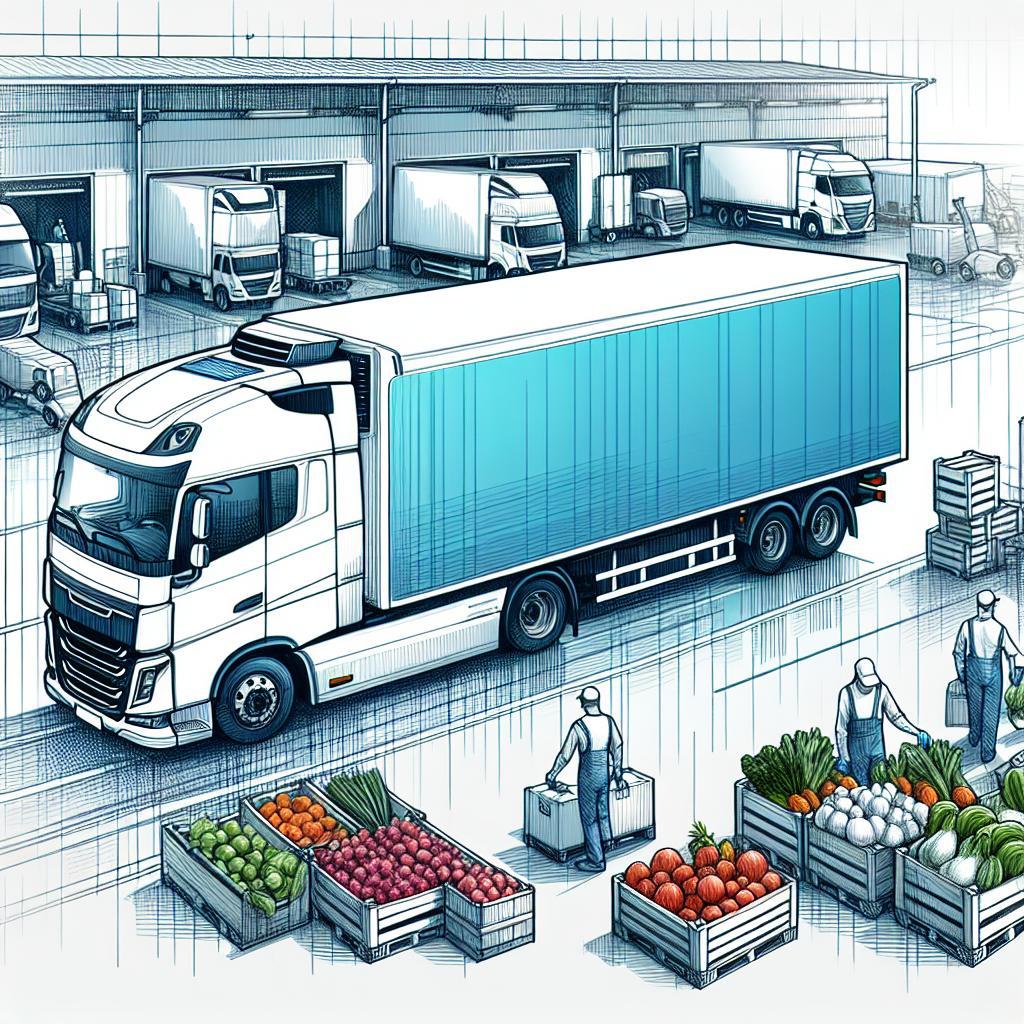
Leveraging Local Vendor Logistics for Successful Online Sales in the U.S. - A Strategy for Korean Cosmetics

The exploration of leveraging local vendors in the U.S. market for Korean cosmetic brands not only highlights the logistical advantages but also emphasizes a transformative strategy aligned with contemporary consumer expectations. By sourcing products through local vendors, brands can streamline their supply chains, resulting in enhanced operational efficiencies that translate to tangible benefits. The U.S. online cosmetics market, characterized by its dynamic landscape, is ripe for innovation, offering expansive opportunities for growth if approached thoughtfully. Brands such as Amorepacific exemplify this shift, showcasing significant improvements in speed to market and customer engagement by tapping into the value of local partnerships. These relationships not only facilitate better compliance with U.S. regulations but also foster a deeper connection with the consumer, ensuring that products resonate with market preferences and safety standards.
As the e-commerce sector within the cosmetics industry continues to flourish, driven by a surge in digital engagement and the demand for unique, quality-driven products, Korean brands stand to gain considerably. They must adapt strategies that align with emerging trends such as clean beauty and sustainable practices—a core demand among today's consumers. By integrating advanced technology within their logistics systems, brands can further enhance their competitiveness. The innovative use of AI and real-time analytics for inventory and supply chain management serves as a testament to the potential for increased responsiveness and efficiency. Furthermore, local vendors provide a unique advantage in understanding specific consumer behaviors and preferences, which can greatly influence marketing and product development efforts.
Businesses must also navigate challenges posed by cross-border trade regulations and supply chain disruptions, making the choice of local vendors not just advantageous but essential. This approach mitigates risks associated with tariffs and ensures that brands maintain a competitive edge amidst an evolving regulatory landscape. Thus, fostering partnerships with local vendors is not merely about cost-saving; it encapsulates a holistic strategy aimed at securing market presence and building consumer trust, ultimately leading to sustained growth in the U.S. market.
Understanding the Business Context
Overview of the U.S. Online Cosmetics Market
The U.S. online cosmetics market operates within a dynamic and competitive framework, where consumer preferences and purchasing behaviors are swiftly evolving. Major players in this industry offer a wide array of products that includes skincare, makeup, fragrance, and hair care items, which are available through various channels such as retail websites, direct-to-consumer sales, and third-party distributors. With the increasing shift towards e-commerce, online sales in the cosmetics sector have witnessed significant growth, propelled by a surge in digital consumer engagement and the proliferation of social media influence. This evolution has prompted brands, particularly those hailing from Korea, to adapt their strategies to effectively capture and retain consumer interest in a crowded marketplace. Brands like Amorepacific have reported substantial increases in their North American sales, highlighting the lucrative potential of this market segment as they navigate operational challenges brought on by economic uncertainty and changing consumer demographics.
Alongside this growth, the cosmetics sector faces multiple headwinds, including rising production costs, altered consumer spending habits due to inflation, and the potential impact of tariffs. As reported, the Zacks Cosmetics industry has experienced declines, which illustrates a pressing need for companies to innovate and utilize strategic partnerships effectively. This environment serves as a critical context for Korean cosmetics entering the U.S. market, necessitating an understanding of both consumer behavior and the regulatory landscape that may impact their product offerings and pricing strategies.
Emerging Trends and Opportunities
The U.S. cosmetics market continues to rapidly evolve, influenced by several key trends that present distinct opportunities for brands, especially those from Korea. One notable trend is the increasing consumer demand for unique, innovative beauty products that incorporate advanced technology and science-backed formulations. The rise of clean beauty products is driving consumers' preference for natural and organic ingredients, compelling cosmetic companies to diversify their offerings. In this arena, Korean companies are well-positioned with their strong pedigree in skincare innovation, as demonstrated by brands like Laneige and Sulwhasoo, which have become household names due to their high-quality products.
Moreover, the digital transformation of the consumer shopping experience is reshaping the market landscape. The incorporation of technologies such as augmented reality for virtual try-ons and AI-driven personalized recommendations has become crucial for brands seeking to enhance customer engagement. These technologies not only improve the shopping experience but also facilitate data-driven marketing strategies that empower brands to reach target audiences more effectively. As the cosmetics industry adapts to these trends, companies must focus on creating robust digital platforms to leverage consumer insights and enhance omnichannel engagement, ensuring that they remain competitive in an increasingly online-focused retail environment.
Market Entry Strategies for Korean Brands
Navigating the U.S. market presents unique challenges and opportunities requiring tailored market entry strategies for Korean cosmetic brands. Companies like Amorepacific have begun to address these challenges by exploring local production options as a means of circumventing high tariffs that affect imported goods. The shift to establishing production facilities within the U.S. highlights a proactive strategy to not only reduce costs associated with tariff exemptions for domestic producers but also to enhance supply chain flexibility and response times to market demands.
Furthermore, establishing partnerships with local vendors and distribution channels is critical for effective market penetration. By leveraging local vendors for logistics and distribution, Korean brands can improve their operational efficiency and responsiveness to customer needs. This approach allows brands to reduce lead times, lower shipping costs, and improve stock management practices. Additionally, understanding U.S. consumer preferences and regulatory requirements related to packaging and labeling can significantly boost brand credibility and customer loyalty. To succeed, Korean brands must also invest in targeted marketing campaigns that resonate with American consumers and prominently highlight the unique benefits of their products, ultimately establishing a strong foothold in this competitive market.
The Role of Local Vendors in Sourcing
Quality Assurance and Compliance with U.S. Regulations
When sourcing through local vendors, quality assurance and compliance with U.S. regulations become more manageable. Local vendors are typically more attuned to the specific regulatory requirements of the U.S. cosmetics market, making it easier for foreign brands to navigate the complex landscape of product safety and labeling laws. For example, local vendors can help ensure that ingredients meet the FDA's safety standards and that products are properly labeled according to U.S. requirements, minimizing the risk of compliance issues that can arise if products are manufactured overseas without adequate knowledge of local laws. Additionally, the close proximity of local vendors allows for better quality control processes, including regular audits and inspections, to ensure that products meet expectations before they reach consumers. This proactive approach not only safeguards the brand's reputation but also builds trust with consumers who are increasingly concerned about product safety and quality.
Utilizing Vendor Logistics for Efficient Distribution
Cost-efficiency and Speed of Vendor Logistics
Using vendor logistics has emerged as an essential strategy for businesses looking to optimize their distribution channels. Vendor logistics can significantly reduce operational costs through various avenues. Firstly, local vendors often have optimized supply chains that minimize transport distances, thereby cutting down on shipping expenses. This localized approach allows for faster deliveries, reducing the time products spend in transit. For instance, a cosmetics brand sourcing products from local U.S. vendors rather than importing them from Korea can leverage these shorter shipping routes, which not only enhance delivery speed but also decrease carbon footprints, aligning with growing consumer preferences for sustainable practices. Additionally, vendor logistics facilitate better inventory management as businesses can adopt just-in-time inventory practices, minimizing storage costs associated with excess stock.
Furthermore, the integration of advanced data analytics enables real-time tracking of logistics operations. By employing technologies such as AI and machine learning, brands can predict demand patterns, streamline inventory levels, and adjust logistics plans dynamically. For example, computerized inventory management systems allow companies to forecast stock needs accurately, thereby maintaining optimal inventory levels that correspond to real-time sales data. This approach not only reduces waste but also allows brands to respond swiftly to shifts in consumer preferences, enhancing overall agility.
Integration of Technology in Vendor Supply Chains
The adoption of technology in vendor logistics plays a critical role in enhancing efficiency and effectiveness in distribution. Advanced technologies such as Transportation Management Systems (TMS) and Warehouse Management Systems (WMS) can be integrated seamlessly into vendor operations, allowing for improved coordination and visibility across the supply chain. These systems enable vendors to optimize routes and schedules, reducing lead times while enhancing service levels. By utilizing GPS technology and real-time data analytics, vendors can adjust shipping routes dynamically in response to traffic conditions or changes in delivery schedules, leading to further cost savings and increased reliability in deliveries.
Moreover, artificial intelligence (AI) is transforming traditional logistics operations. Through AI, businesses can analyze vast amounts of data to identify inefficiencies and forecast potential disruptions. This proactive approach not only mitigates risks but also allows companies to stay ahead of market trends. For example, an AI-driven inventory system that analyzes consumer behavior can suggest optimal inventory levels to prevent both stockouts and overstock situations. The alignment of technology with vendor logistics not only enhances operational efficiency but also supports better strategic decision-making.
Impact of Local Logistics on Competitive Advantage
Leveraging local vendor logistics significantly enhances a company’s competitive advantage within the U.S. online cosmetics market. By establishing partnerships with local suppliers and logistics providers, companies benefit from increased responsiveness to market demands. Local logistics can provide quicker turnaround times, allowing brands to capitalize on emerging beauty trends and consumer preferences without the lag associated with international shipping. This agility not only improves customer satisfaction due to faster delivery times but also helps in building a positive brand image associated with reliability and efficiency.
Additionally, local logistics facilitate better communication and collaboration with vendors. Brands often have greater visibility into the supply chain processes when they work closely with local vendors, which fosters a spirit of partnership rather than transactional relationships. These strong partnerships can lead to better negotiation outcomes, collaborative campaigns, and product development opportunities tailored to consumer demands. In a highly competitive market, such advantages can lead to increased market share and sustained growth. Therefore, integrating vendor logistics into distribution strategies is not merely a cost-saving measure; it's a strategic move that solidifies a brand's position in an increasingly crowded marketplace.
Addressing Potential Challenges
Cross-border Trade Regulations
In the current landscape of international trade, cross-border trade regulations pose significant challenges for Korean brands venturing into the U.S. cosmetics market. Following the recent imposition of tariffs—specifically, the revocation of the de minimis rule for goods valued under $800—companies must navigate a complex web of compliance requirements. This rule change, effective from May 2, subjects low-value imported goods to substantially higher tariffs, reaching up to 120% initially. Such increases threaten to disrupt normal trade flows, as U.S. shoppers will face higher prices and fewer choices in their purchasing options, ultimately impacting sales volumes for companies reliant on competitive pricing strategies. Additionally, tariff classifications and customs documentation can complicate the import process, leading to potential delays and increased costs. For Korean cosmetic brands, understanding these regulations and preparing for compliance is crucial. Engaging with local experts or consultants in U.S. customs regulations can provide valuable insights and assistance in navigating this challenging environment, ensuring products meet all necessary legal requirements for safe and timely entry into the market.
Supply Chain Disruptions: Mitigation Strategies
Supply chain disruptions have emerged as a critical risk factor for businesses in today's global market, and Korean cosmetics brands must proactively address these challenges to maintain operational efficiency. Recent geopolitical tensions, changes in trade policies, and the ongoing effects of the COVID-19 pandemic have reinforced the need for robust supply chain strategies that are resilient to disruptions. One effective mitigation strategy is diversification of supply sources and logistics partners. By not relying on a singular vendor or geographic region, companies can reduce vulnerability to localized disruptions. For instance, establishing partnerships with multiple local vendors within the U.S. can ensure continuity in product availability, even if one vendor faces operational hurdles. Furthermore, investing in technology solutions—such as supply chain management software—can enhance visibility and flexibility within the logistics process, enabling companies to respond swiftly to changing circumstances. Another strategy is the establishment of overseas warehouses. Leveraging local warehousing solutions can significantly reduce shipping times and costs, providing a buffer against supply chain delays commonly seen in international shipping. Companies like Shein and Temu have already adapted to these challenges by enhancing their logistics frameworks, a practice that Korean cosmetic brands should consider to remain competitive in the U.S. market.
Navigating Tariff Implications
As the U.S. has enacted significant tariff increases on imported goods from specific countries, including those from Korea, understanding and navigating the implications of these tariffs is critical for cosmetics brands considering entry into the market. The recent shifts in trade policy mean that not only are goods subject to elevated tariffs, but the complexity surrounding tariff calculations can pose additional hurdles. For example, tariffs on specific product types, such as cosmetics, can vary widely, and brands must accurately classify their products to avoid miscalculations and potential penalties. Furthermore, there are broader implications for pricing strategies. The increase in costs due to tariffs may necessitate adjustments in retail pricing, which could impact sales competitiveness against local and alternative brands not subject to similar tariff burdens. Additionally, with the U.S. consumer base becoming increasingly price sensitive, brands must carefully evaluate their pricing strategies to ensure they do not alienate their target demographic. One approach could be to enhance product value through marketing or offer unique selling propositions that justify the price increase. In essence, navigating tariff implications requires thorough market analysis and strategic planning to mitigate potential negative impacts on consumer demand and brand reputation.
Conclusion and Strategic Recommendations
Summary of Benefits of Using Vendor Logistics
Leveraging local vendor logistics offers numerous advantages for Korean cosmetic brands looking to penetrate the U.S. market. Firstly, the utilization of local vendors enables businesses to streamline their supply chains, enhancing operational efficiency. By sourcing products locally, companies can significantly reduce shipping times, thereby improving customer satisfaction and competitiveness. For instance, as illustrated by Amorepacific's strategy, investing in local logistics not only mitigates the impact of tariffs but also accelerates response times to market fluctuations. Furthermore, engaging local vendors fosters stronger relationships with partners who possess in-depth market insights, enhancing product customization and consumer alignment. Local vendors are often more knowledgeable about regulatory compliance, quality assurance, and consumer preferences in the U.S. market, which is critical in the highly competitive cosmetics industry. This synergy contributes to increased product quality and customer trust, ultimately translating to higher sales and brand loyalty. In addition to these operational benefits, partnering with local vendors opens avenues for cost savings. Localized logistics reduce import costs and potential tariff burdens, allowing for more competitive pricing strategies. Additionally, leveraging local production capabilities can lead to job creation within the community, further solidifying the brand's reputation and consumer goodwill.
Long-term Strategic Outlook for Korean Brands in U.S. Market
The long-term strategic outlook for Korean cosmetic brands in the U.S. market remains promising provided that they adapt to evolving consumer trends and market dynamics. As noted in the recent trends, the demand for K-beauty products is on the rise, with consumers increasingly seeking quality, innovative skincare solutions. To capitalize on this trend, brands must prioritize establishing a strong local presence through investments in both vendor relationships and logistical infrastructure. Moreover, as consumer behavior continues to evolve towards sustainability and ethical sourcing, Korean brands must adapt their narratives and practices accordingly. Emphasizing local production practices not only addresses these consumer concerns but also helps brands align themselves with the growing demand for transparency and responsibility in the beauty sector. This shift can be supported by leveraging technology—such as AI and real-time data analytics—to optimize inventories and customer engagement strategies. Looking ahead, strategic partnerships with established U.S. retailers and influencers can enhance brand visibility and facilitate market penetration. By diversifying their product offerings to include both premium and affordable options, as Amorepacific aims to do, Korean brands can cater to a broader consumer base, enhancing their competitive standing. Building resilience through agility in the supply chain will be paramount in navigating tariffs, changing regulations, and market disruptions.
Final Recommendations for Successful Implementation
To successfully implement a strategy incorporating local vendor logistics, Korean cosmetic brands should consider several key recommendations. Firstly, engage in thorough market research to identify suitable local partners who understand U.S. consumer preferences and regulatory requirements. Establishing strong, collaborative relationships with these vendors will be crucial for achieving mutual goals and ensuring compliance with industry standards. Secondly, invest in advanced technologies that enhance supply chain visibility and efficiency. Incorporating AI and automation in logistics can streamline operations by improving demand forecasting, inventory management, and route optimization. For example, utilizing dynamic routing algorithms can significantly reduce delivery times and costs, thereby enhancing customer satisfaction. Additionally, prioritize continuous monitoring of market trends and consumer behaviors to stay ahead of the competition. By maintaining flexibility in sourcing strategies and being prepared to pivot in response to market signals, brands can better respond to shifts in demand and preferences. Lastly, focus on building a strong brand narrative around sustainability and ethical practices. As consumer awareness grows, aligning brand values with those of socially conscious shoppers will be essential in fostering loyalty and trust. By effectively leveraging local vendor logistics, Korean brands can enhance their operational effectiveness while driving sustainable growth in the U.S. market.
Wrap Up
The integration of local vendor logistics into the business strategies of Korean cosmetic brands presents a viable pathway to success in the competitive U.S. marketplace. Moreover, as this approach solidifies operational capabilities, it allows brands to emerge not only competitively but also responsively, addressing the rapid fluctuations in consumer demands and market dynamics. Looking forward, seamless collaboration with local vendors will be paramount for ensuring adherence to regulatory standards and maintaining product quality, which are vital components for brand reliability and reputation among consumers.
In light of current market trends favoring sustainability and ethical sourcing, Korean brands must evolve their narratives to reflect these values, thereby enhancing their appeal to an increasingly conscious consumer base. The long-term outlook suggests that those who invest in authentic relationships with local suppliers and incorporate technological advancements in logistics will likely see fruitful outcomes. The agility in responding to consumer preferences and market shifts will distinguish successful brands in this sector.
Ultimately, sustaining growth will require a commitment to continuous innovation and a proactive stance towards market changes. To ensure that operational efficiencies translate to strategic advantages, Korean cosmetic brands need to robustly implement local vendor partnerships, prioritize transparency, and reflect the evolving trends that define consumer expectations. By doing so, they will not only build a solid foundation in the U.S. but also contribute to the overall growth of the cosmetics industry.