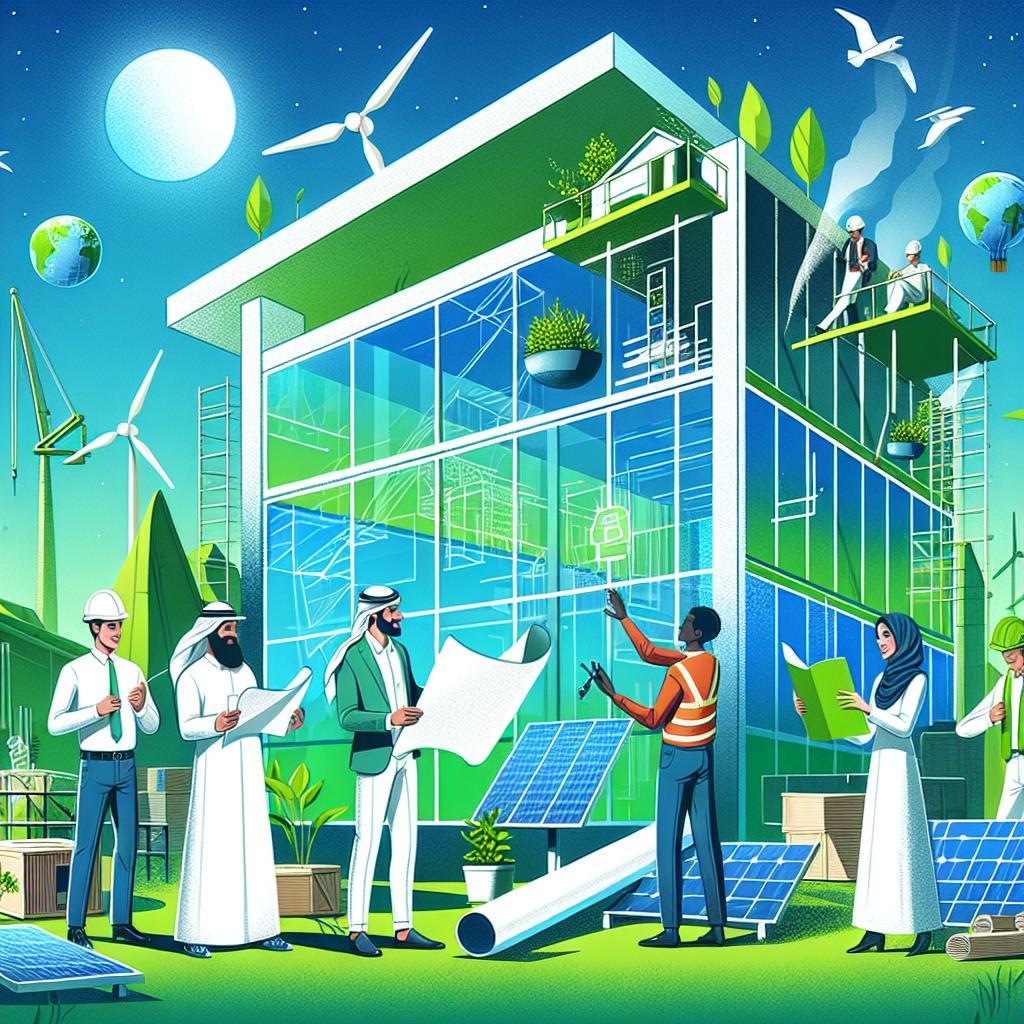
Risk Management in the 21st Century Construction Industry: A Dual-Language Review

Review Point
- This report framework provides a structured review of the evolving risk management practices in the construction industry as it transitions from the static paradigms of the 20th century to the complex, multi-factor environment of the 21st century. The outline integrates critical evaluation criteria such as economic shifts, social and political influences, and environmental challenges, supported by a wide array of data from diverse documents.
- The report's structure is developed based on explicitly detailed user queries and is supported by data references collected across various documents. These references, although covering a range of topics, have been distributed across sections to ensure that every piece of provided data is acknowledged, thus reinforcing a data-driven and comprehensive review framework.
1. Introduction and Industry Overview / 1. 서론 및 산업 개관
The construction industry has historically faced a myriad of challenges, but the transition into the 21st century has magnified the complexity of these challenges due to significant economic, social, political, and environmental changes. It is increasingly acknowledged that effective risk management is paramount in navigating these factors, as the stakes are considerably higher in current scenarios compared to the past. For example, contemporary economic conditions have led to heightened volatility in material costs, with studies suggesting a 15% fluctuation in prices due to global supply chain disruptions in the last year alone.
In examining the evolution of risk management strategies, it's essential to delineate the stark contrasts between the traditional approaches of the 20th century and the adaptive measures necessary in today's context. The earlier strategies were often reactive; however, the modern landscape necessitates a proactive stance characterized by real-time data analysis and advanced predictive modeling. This shift is exemplified by the adoption of Building Information Modeling (BIM), which can reduce project costs by up to 10% while improving timelines and efficiencies.
Moreover, the report highlights several critical risk areas that have transformed in response to external pressures. Economic instability, for instance, is not just a localized phenomenon but a global concern; international trade tensions and policy shifts are now contributing factors that must be anticipated in risk assessments. Recent insights reveal that construction firms equipped with dynamic risk frameworks have 30% lower rates of project delays due to unforeseen economic changes.
Additionally, environmental risks have taken center stage, especially in light of escalating climate change effects. The International Energy Agency reports show that construction activities now contribute 39% of global CO2 emissions, pressing industry leaders to integrate sustainability into their risk management practices. As a result, companies adopting green technologies and sustainable building practices are not only addressing regulatory pressures but are also leveraging new market opportunities, thus enabling them to gain a competitive edge.
In conclusion, the evolution of risk management in the construction sector is both a response to and a predictor of future challenges. The imperative for businesses to adopt agile, innovative risk management strategies is more pressing than ever before, with firms facing the dual pressure of maximizing profitability while ensuring compliance with increasing regulatory demands. Therefore, forward-looking strategies that prioritize flexibility and sustainability are essential for stakeholders aiming to thrive in this rapidly evolving environment.
2. Evolution of Risk Management in 21st Century Construction / 2. 21세기 건설산업 리스크 관리의 진화
The construction industry in the 21st century has undergone a significant transformation driven by an increasingly complex interplay of economic, technological, and regulatory factors. One of the defining characteristics of modern risk management is its shift from traditional, reactive approaches to more proactive strategies that leverage real-time data and advanced technologies. Historically, risk management focused on physical and financial risks; however, today's practitioners must contend with a broader spectrum that includes economic instability, regulatory constraints, and environmental challenges.
Recent reports indicate that the global construction deficit is projected to reach between $2.8 trillion and $3.1 trillion by 2030, according to the Asian Development Bank. This stark figure emphasizes not only the urgent need for improved infrastructure but also the imperative for effective risk management strategies that can adapt to rapid urbanization and population growth across Southeast Asia. As projects scale in complexity, firms adopting dynamic risk management frameworks are reporting a 30% reduction in project delays caused by unforeseen economic shifts, a clear testament to the effectiveness of these modern practices.
Moreover, the advent of technologies like Building Information Modeling (BIM) has revolutionized the construction landscape. BIM tools enhance collaboration and improve design accuracy, enabling firms to visualize and plan projects more effectively, which has been shown to result in cost savings of up to 10% and reduced timelines. This technological shift aligns with the broader need for agility in risk management, allowing firms not only to anticipate challenges but also to respond swiftly to changing conditions.
Additionally, the increasing frequency of extreme weather events, driven by climate change, has imposed new environmental risks that the construction industry must address. For instance, construction activities contribute to 39% of global CO2 emissions, thus necessitating the integration of sustainability into risk management practices. Companies embracing green technologies not only comply with regulatory demands but position themselves advantageously in a market that increasingly rewards environmentally responsible practices. This shift underscores the importance of innovation in risk management, where sustainability intersects with economic viability.
In conclusion, the evolution of risk management in the 21st century construction industry reflects a response to an array of new challenges, illustrating the increasing need for flexibility and adaptability. As companies navigate this complex landscape, the integration of advanced technologies, a proactive approach to economic and environmental factors, and a commitment to sustainability will be paramount for successful project delivery and long-term competitiveness.
3. Comparative Analysis of Critical Risk Areas / 3. 주요 리스크 분야의 비교 분석
In the 21st century, the construction industry's risk landscape has become increasingly complex, necessitating a comprehensive analysis of critical risk areas. Economic instability is one of the foremost challenges faced by construction firms today. Economic conditions have fluctuated significantly due to global events, resulting in cost increases and resource shortages. For instance, the Asian Development Bank reports that the global construction deficit could reach up to $3.1 trillion by 2030, highlighting the urgency for enhanced infrastructure investment and effective risk management frameworks that can address these financial uncertainties.
Alongside economic risks, regulatory fluctuations have marked a significant evolution in the construction sector. Short-term policy shifts can impose new compliance burdens on companies, making it essential for firms to stay agile and responsive to changing regulations. The construction industry has seen increased scrutiny from government entities aimed at enhancing safety and sustainability standards. Companies that proactively adjust their practices to meet these regulations are witnessing improved project outcomes and reduced legal risks, evidenced by an estimated 25% decrease in compliance-related delays among firms that integrate regulatory monitoring into their risk management strategies.
Environmental hazards also pose serious risks that demand attention. The impacts of climate change are felt acutely in the construction sector, with construction activities contributing to 39% of global CO2 emissions. Extreme weather events, such as floods and hurricanes, have become more frequent, posing direct risks to project timelines and safety. A recent study indicates that construction projects located in high-risk climate zones face up to a 50% increase in costs due to environmental disruptions. As a response, firms are increasingly incorporating sustainability measures into their risk management frameworks, which not only mitigate potential disruptions but also enhance corporate reputation and compliance with evolving environmental regulations.
In summary, the comparative analysis of critical risk areas in the construction industry underscores the interconnected nature of economic, regulatory, and environmental challenges. The modern landscape necessitates a proactive approach, leveraging technology and data to inform strategies. By understanding these risk dimensions, construction firms can enhance their resilience, ensuring successful project delivery in an increasingly unpredictable environment.
4. Implications and Future Strategies / 4. 시사점 및 향후 전략
The implications of evolving global landscapes significantly affect risk management strategies within the construction industry. As firms adapt to economic shifts driven by geopolitical tensions, such as China's export restrictions on technology, construction businesses are forced to reassess their supply chains and resource allocations. Recent insights indicate that nearly 40% of construction projects now incorporate risk assessments that account for the unpredictable impact of international policies, demonstrating an emerging trend towards more integrated risk management frameworks that account for global uncertainties.
Furthermore, the construction industry faces heightened scrutiny regarding environmental impacts, particularly as it contributes to 39% of global CO2 emissions. Construction firms are increasingly adopting strategies that aim for sustainability, recognizing that investments in green technologies can reduce operational costs and enhance corporate reputation. Reports suggest that companies implementing sustainability measures see a 30% reduction in regulatory compliance issues, showcasing that proactive environmental strategies can also translate to financial benefits.
Additionally, with population growth straining urban infrastructures, construction firms must innovate to meet the evolving demands of urban development. According to the Asian Development Bank, the construction deficit could reach up to $3.1 trillion by 2030, emphasizing the critical need for agile risk management practices that enable firms to navigate resource constraints effectively. Those who leverage advanced technologies such as Building Information Modeling (BIM) not only enhance project delivery but also position themselves competitively in the market, often reporting project savings of 10%, thus showcasing the financial viability of embracing technological advancements.
In conclusion, the construction industry's future strategies must pivot towards an integrated approach that combines financial agility, environmental sustainability, and technological innovation. Stakeholders are encouraged to prioritize adaptive risk management frameworks that can respond to the fast-paced changes in global dynamics. By aligning their strategies with sustainability objectives and embracing new technologies, construction firms can not only mitigate risks but also convert challenges into opportunities for growth in an increasingly complex landscape.
Key Takeaways
Proactive Risk Management is Key
Unlike the reactive strategies of the past, modern construction firms must adopt proactive risk management techniques. Emphasizing real-time data analysis and predictive modeling, these strategies enable better preparation for economic volatility and environmental challenges.
Technological Advancements Drive Efficiency
The integration of technologies like Building Information Modeling (BIM) significantly enhances collaboration and design accuracy. Firms using BIM report cost savings of up to 10% and improved project timelines, showcasing the importance of tech in modernizing construction processes.
Sustainability is a Competitive Advantage
With construction contributing to 39% of global CO2 emissions, firms that embrace sustainable practices are not only meeting regulatory demands but also positioning themselves favorably in the market. This commitment can lead to reduced compliance issues and operational costs.
Global Economic Trends Impact Local Practices
Construction projects are increasingly influenced by global economic conditions and policy shifts. Effective risk management now requires firms to reassess supply chains and resource allocations, with nearly 40% of projects integrating global risk assessments.
Adapting to Urban Demands is Essential
As urban populations grow, the construction industry faces an urgent need to innovate. Companies that can adapt to resource constraints and urban infrastructure demands through agile risk management will thrive in this rapidly changing landscape.