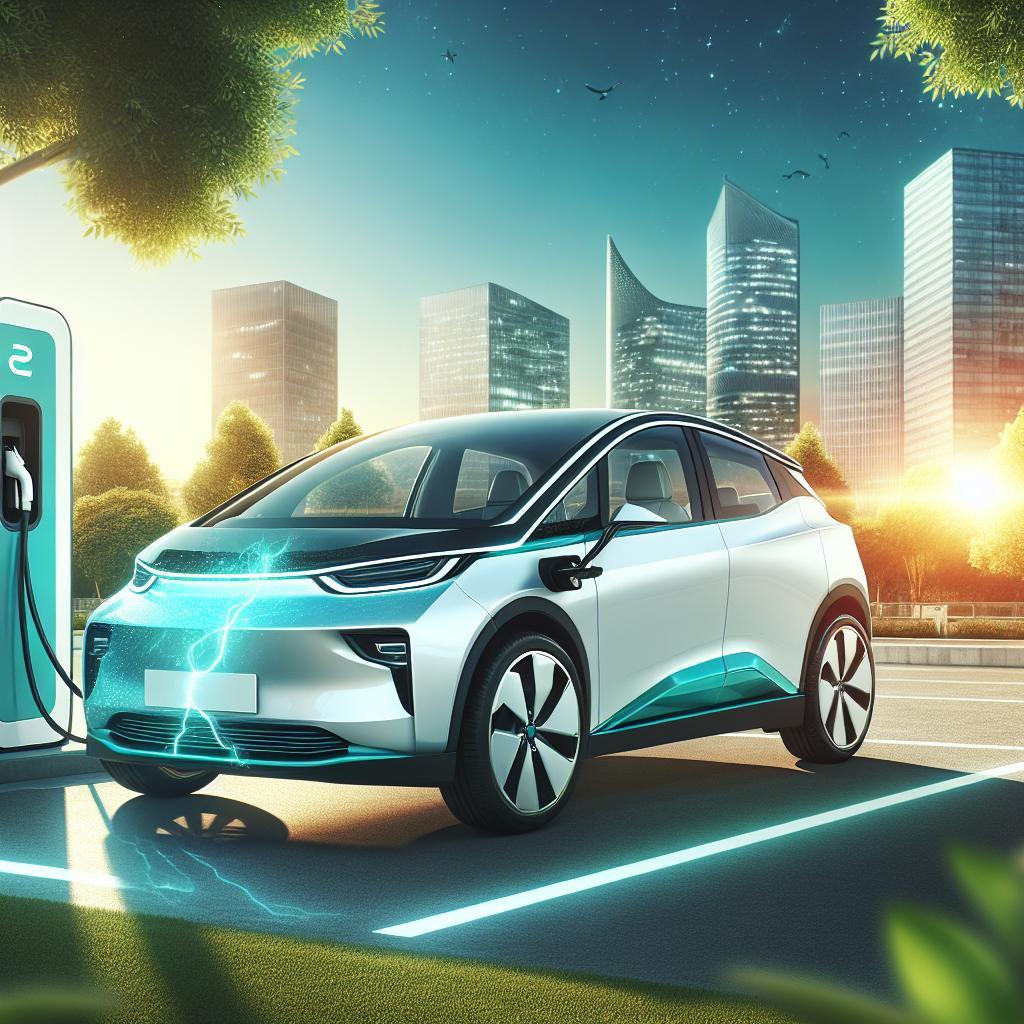
Empowering the Future: Unveiling the Innovations in Lithium-Ion Battery Technologies and the Landscape of Leading Manufacturers

TABLE OF CONTENTS
- Summary
- Understanding Lithium-Ion Battery Technology
- Current Market Landscape and Key Manufacturers
- Innovations in Battery Technology for Electric Vehicles
- Future Perspectives and Trends in Battery Technologies
- Conclusion
1. Summary
Lithium-ion battery technology stands at the forefront of modern energy solutions, acting as a pivotal enabler across a myriad of industries. With their foundational principles grounded in electrochemistry, lithium-ion batteries leverage the movement of lithium ions between their electrodes to deliver efficient energy storage and release capabilities. This intrinsic attribute has propelled their adoption from consumer electronics to electric vehicles (EVs) and even renewable energy systems, offering unmatched performance characterized by high energy density, longevity, and minimal maintenance requirements. Current market dynamics showcase a robust growth trajectory, underscored by the surging demand for EVs, which consolidated the lithium-ion battery's position as the go-to technology for sustainable transportation. Major manufacturers, including Tesla, LG Energy Solution, and Panasonic, play a crucial role in driving innovation and scaling production capacities. As they invest heavily in new technologies such as solid-state batteries and alternative chemistries like sodium-ion, the competition intensifies, promising to reshape the industry landscape. Recent advancements focus not only on enhancing performance metrics but also on addressing environmental and safety concerns. With regulatory frameworks advocating for cleaner energy sources, the pressure on manufacturers to innovate sustainably amplifies. The evolving consumer preference for greener alternatives further propels the industry towards exploring safer and more efficient battery solutions. The future will inevitably see a synergistic relationship between technological innovation and sustainable practices within the battery sector, urging adaptiveness among stakeholders as they navigate this transformative phase.
2. Understanding Lithium-Ion Battery Technology
2-1. Principles of Lithium-Ion Battery Operation
Lithium-ion batteries (LIBs) serve as the backbone for various portable electronic devices, electric vehicles, and medical devices. The operation of LIBs relies on the movement of lithium ions between two electrodes: the anode and the cathode. The fundamental structure of a lithium-ion battery encompasses five crucial components: the anode, cathode, separator, electrolyte, and current collectors. During the charging process, lithium ions migrate from the cathode, where they are released, through the electrolyte and into the anode. Conversely, during discharge, these ions flow back to the cathode, creating a flow of electric current that powers devices. Characters like graphite typically make up the anode, while lithium cobalt oxide or lithium iron phosphate often form the cathode. The electrolyte, usually a lithium salt dissolved in a solvent, facilitates the movement of ions while separating the two electrodes and preventing short circuits. This movement of lithium ions represents the core phenomenon enabling energy storage and release in LIBs, thereby establishing them as high-density, rechargeable power sources. Through this mechanism, LIBs possess superior energy density and cycle life compared to older battery technologies such as nickel-cadmium batteries. Additionally, advancements in the technology are ongoing. Researchers aim to enhance the battery's energy density, charging speed, and longevity, highlighting the critical importance of material selection and innovation in manufacturing processes.
2-2. Applications of Lithium-Ion Batteries Across Industries
Lithium-ion batteries have become a vital technology in various sectors due to their compact size, efficiency, and reliability. In consumer electronics, these batteries power a wide array of devices, from smartphones and laptops to tablets and digital cameras. Thanks to their high energy density, LIBs allow for longer usage times between charges, a significant advantage in today’s mobile-centric world. The automotive industry has seen a remarkable shift towards electric vehicles (EVs), significantly driven by lithium-ion batteries. As the global market pushes toward decarbonization, governments and manufacturers are increasingly investing in electric propulsion technologies, making the demand for high-performance lithium-ion batteries escalate. Major automotive companies have reported substantial growth in EV sales, indicating a robust trend towards sustainable transportation solutions. Moreover, lithium-ion batteries find application in stationary energy storage systems, which support the integration of renewable energy sources by helping to balance the supply-demand equation. For instance, they store excess energy generated by solar panels during the day for use during nighttime or cloudy periods, thereby facilitating broader adoption of renewable energy. Furthermore, sectors such as aerospace are beginning to explore lithium-ion battery use due to their lightweight yet powerful structure, as well as the medical field, where they provide reliable power for equipment such as portable defibrillators and monitoring devices. Thus, the versatility of LIBs fuels innovation and adaptation across multiple industries, supporting a transition towards advanced, sustainable technologies.
2-3. The Role of Lithium-Ion Batteries in Modern Technology
Lithium-ion batteries are integral to the evolution of modern technology, significantly impacting industries that range from telecommunications to renewable energy. Their role extends beyond mere energy storage; they are key enablers in the shift to electric mobility and smart technology. As society becomes increasingly reliant on digital interfaces and automated systems, the need for efficient and reliable power sources has never been more critical. In the telecommunications sector, lithium-ion batteries ensure that mobile communication networks maintain their operations seamlessly, even during outages. They provide back-up power to cell towers, ensuring that connectivity is sustained in emergencies. Additionally, the rapid advancements in technology have led to the increasing implementation of smart devices, which also depend heavily on battery efficiency and longevity. Furthermore, the transition to renewable energy sources such as wind and solar power greatly relies on lithium-ion battery systems for energy storage. These systems are essential for smooth operation and stability of electrical grids, especially as intermittent renewable power sources require efficient storage solutions to manage supply fluctuations. However, challenges remain. The supply chain for lithium itself is under scrutiny due to environmental concerns related to extraction and processing, highlighting the need for sustainable practices in production and recycling of lithium-ion batteries. As an industry that possesses considerable potential yet faces significant hurdles, the future role of lithium-ion battery technology will undoubtedly shape the fabric of modern energy consumption and technological innovation.
3. Current Market Landscape and Key Manufacturers
3-1. Overview of the Lithium-Ion Battery Market
The lithium-ion battery market is experiencing robust growth, driven primarily by the increasing demand for electric vehicles (EVs) and renewable energy storage solutions. The market was valued at approximately USD 16.5 billion in 2024, particularly within the North American context, and it is projected to expand significantly, reaching an anticipated value of USD 28.1 billion by 2031. This growth represents a compound annual growth rate (CAGR) of 7.57% from 2024 to 2031. The ongoing transition to cleaner energy sources and the global push towards sustainable transportation alternatives have cemented the dominance of lithium-ion technology, which is renowned for its high energy density, longer lifecycle, and minimal maintenance needs. These features make lithium-ion batteries suitable not only for automotive applications but also for supporting large-scale energy storage systems associated with renewable energy sources, such as solar and wind power. Recent trends indicate that advancements in lithium-ion technologies, such as improvements in energy efficiency and safety features, are aiding its continued dominance in the market. Indeed, as of 2021, the number of electric light vehicle sales in the United States saw a drastic rise, from about 307,590 in 2020 to 607,570 in 2021, further exemplifying the growing consumer interest in electric mobility and the critical role lithium-ion batteries play in powering this transition.
3-2. Profile of Leading Manufacturers
Within the lithium-ion battery landscape, several manufacturers are at the forefront, significantly influencing market dynamics. A prime example is Tesla, widely recognized for its extensive investment in battery manufacturing facilities and innovations across battery technologies. Tesla's Gigafactory plays a crucial role in the production of lithium-ion batteries, facilitating increased production capabilities and lowering costs through vertical integration. Another notable entity is LG Energy Solution, which has established itself as a key player by supplying lithium-ion batteries to various automotive manufacturers, including General Motors and Hyundai. The company is focused on technological advancements and sustainability efforts, aiming to minimize the environmental impact of battery production. Additionally, Panasonic has been instrumental in the development of cutting-edge battery technologies, incorporating solid-state battery solutions that promise enhanced safety and performance metrics compared to traditional lithium-ion batteries. Their ongoing collaboration with automotive producers further solidifies their positioning in the battery market. Furthermore, emerging companies like QuantumScape are pioneering the innovation of solid-state batteries, which feature non-flammable materials that potentially provide increased energy density and improved safety profiles over liquid electrolyte options. These advancements reflect not only the competitive landscape of battery manufacturing but also highlight the evolution towards safer and more efficient battery technologies critical for future electric vehicle applications.
3-3. Market Dynamics and Consumer Trends
The market dynamics surrounding lithium-ion batteries are heavily influenced by regulatory frameworks that advocate for the adoption of electric vehicles and renewable energy sources. Regulatory pressures aimed at reducing greenhouse gas emissions are significantly impacting consumer behavior, as evidenced by the increasing demand for zero-emission vehicles (ZEVs). This regulatory environment has encouraged greater investment in lithium-ion battery technologies, further promoting the shift towards electric mobility. Consumer preferences are noticeably evolving, primarily driven by heightened environmental awareness. As individuals show an increasing inclination toward sustainability, the demand for lithium-ion batteries continues to surge. The global electric vehicle market is projected to reach an impressive USD 233.5 billion by 2030, reflecting consumers' growing adoption of greener alternatives. A marked transition from traditional gasoline-powered vehicles to electric counterparts is becoming evident across various demographics, particularly in regions like North America and Europe. Regional market disparities also warrant consideration, with China establishing itself as a leading producer of electric vehicles, aiming for the sale of over 10 million new-energy vehicles by late 2024. Concurrently, the United States is projected to maintain a growth rate of around 25.4% CAGR through 2030. In contrast, Europe, particularly Germany, while experiencing notable growth, faces challenges such as decreasing subsidies that could impact market momentum. Overall, market dynamics reflect a complex interplay of consumer preferences, regulatory factors, and technological innovations, shaping the landscape of the lithium-ion battery sector.
4. Innovations in Battery Technology for Electric Vehicles
4-1. Latest Trends in EV Battery Innovations
The electric vehicle (EV) sector is currently undergoing a transformation fueled by rapid innovations in battery technology. A primary focus has been the development and enhancement of lithium-ion batteries, which are known for their high energy density and efficiency. In the EV market, lithium-ion batteries have continued to maintain a stronghold, corresponding with an expected growth of USD 28,097.22 million in North America by 2031. Companies are also investing heavily in solid-state battery technology, with industry leaders such as QuantumScape collaborating with major automakers like Volkswagen to produce solid-state batteries. These batteries replace traditional flammable liquid electrolytes with non-flammable glass-based electrolytes, significantly increasing safety and energy density, potentially three times greater than that of conventional lithium-ion cells. This innovation promises not just to enhance safety by reducing fire risks but also to provide higher energy retention, particularly crucial for long-distance electric vehicles.
Another noteworthy trend is the emerging interest in alternative battery chemistries like sodium-ion and potassium-ion systems. Companies like Natron Energy and Group1 are pioneering sodium-ion and potassium-ion batteries, respectively. Sodium-ion batteries highlight a lower production cost and enhanced safety profile, making them an attractive alternative to lithium-ion batteries. Potassium-ion batteries present a sustainable solution that mitigates supply chain risks due to the abundance of potassium materials. As these technologies mature, they may significantly reshape the landscape of EV energy storage solutions, responding to the dual demands of performance and environmental sustainability.
4-2. Performance Metrics: Energy Efficiency and Output
Performance metrics for EV batteries are critical in determining their efficiency, longevity, and overall effectiveness in real-world applications. The energy efficiency of these batteries is typically gauged through their energy density, longevity, and output capabilities. The advancements in solid-state batteries, for instance, are not only improving energy densities dramatically but also enhancing the longevity of charges, with expected range retention rates of up to 95% over 300,000 miles of travel. This is a considerable improvement compared to the current benchmarks of lithium-ion batteries, which often struggle with efficiency losses over time due to factors like thermal runaway conditions and dendrite formation.
Moreover, performance comparison metrics have showcased that newer technologies such as Form Energy's iron/air systems can store energy for substantially longer periods—up to 100 hours—making them highly competitive for grid storage systems. The modular design allows for diverse application settings, which can potentially lower costs and enhance utility in various scenarios. In contrast, sodium-ion batteries can serve as more cost-effective storage solutions that supplement the growing demand for renewable energy while being resource-efficient. These evolutions in performance metrics not only enhance the utility of EVs but also support broader applications in energy storage for renewable integrations.
4-3. Safety and Environmental Considerations in Battery Development
Safety considerations in battery design are paramount, especially concerning the potential risks associated with traditional lithium-ion batteries. Recent innovations in solid-state battery technology have emerged as critical solutions to safety concerns. By replacing flammable electrolytes with solid, non-flammable materials, these new designs significantly mitigate the risk of combustion and further enhance reliability. A comparative safety analysis reveals that while thin-film lithium-ion technologies offer lightweight benefits, they are often susceptible to thermal instability under extreme conditions, which could compromise performance and safety.
Environmental impact assessments also highlight the growing appeal of sodium-ion and potassium-ion batteries, both of which promise reduced ecological footprints compared to conventional technologies. Sodium is more abundant and, hence, less environmentally taxing to source, potentially leading to fewer waste products during manufacturing. Furthermore, potassium-ion batteries could alleviate reliance on scarce materials like lithium and cobalt, targeting sustainable practices that align better with current environmental concerns. Regulatory frameworks are also shifting to support advancements in safer and more sustainable battery technologies, which will undoubtedly influence market dynamics and consumer acceptance moving forward.
5. Future Perspectives and Trends in Battery Technologies
5-1. Emerging Technologies and Their Potential Impact
The landscape of battery technologies is rapidly evolving, with several emerging technologies poised to make significant impacts on performance, efficiency, and sustainability. Among these, solid-state batteries are gaining considerable attention due to their potential to offer higher energy densities and enhanced safety. Unlike conventional lithium-ion batteries that utilize liquid electrolytes, solid-state batteries employ solid electrolytes, which greatly reduce the risk of leaks and fires. Companies like QuantumScape and SolidPower are at the forefront of this technology, which could revolutionize the electric vehicle market by increasing range and reducing charging times. Additionally, the integration of new materials, such as silicon anodes, is showing promise in improving battery life and energy capacity. Silicon can store significantly more lithium than traditional graphite anodes, which means batteries could become smaller and lighter while providing more energy. Researchers are exploring innovative processes to minimize the expansion of silicon during lithium insertion, leading to commercially viable applications in the near future. Furthermore, advancements in battery recycling technologies are crucial for a sustainable future. As the demand for lithium-ion batteries increases, so does the need to manage their end-of-life effectively. Innovations in recycling processes, such as hydrometallurgy and bioleaching, aim to recover valuable materials like lithium, cobalt, and nickel from spent batteries, minimizing waste and environmental impact. These breakthroughs not only help capitalize on existing resources but also support circular economy principles.
5-2. Predicted Industry Trends and Consumer Preferences
As technology progresses, the battery industry is expected to align closely with emerging consumer preferences and market demands. One significant trend is the increasing preference for electric vehicles (EVs). With battery technology continuously improving, consumers are becoming more open to adopting EVs, particularly as manufacturers offer extended warranties and charging infrastructure expands. Reports suggest that by 2030, electric vehicles might account for a substantial percentage of new car sales worldwide, driven by advancements in battery range and cost reductions. Moreover, the focus on sustainability is influencing consumer choices. Today's consumers are more environmentally conscious and tend to favor brands that prioritize green technology and responsible sourcing of materials. This shift encourages battery manufacturers to develop eco-friendly practices, such as utilizing recyclable materials and ensuring ethical mining processes for lithium and cobalt. The trend towards sustainability is likely to be catalyzed by government regulations aimed at reducing carbon footprints and promoting clean energy solutions, further shaping the future of battery technologies. In addition to these trends, the demand for higher performance batteries is leading to innovations beyond just energy capacity. Consumers are now looking for batteries with faster charging capabilities, improved longevity, and enhanced safety. Consequently, battery manufacturers are investing in research and development to create solutions that not only meet these requirements but also provide smart features, such as battery management systems that analyze usage patterns and optimize performance.
5-3. Implications for Sustainable Development and Environmental Policies
The future of battery technologies is closely interlinked with global sustainability goals and environmental policies. As governments around the world commit to reducing emissions and transitioning to renewable energy sources, the role of advanced batteries becomes increasingly critical. Batteries are not just integral to electric vehicles; they also play a vital part in energy storage systems that support grid stability and facilitate the use of intermittent renewable sources such as wind and solar power. In terms of policy implications, there is a growing push for legislation that encourages the development and deployment of cleaner battery technologies. Incentives for research in energy storage, tax breaks for eco-friendly innovations, and stricter regulations on carbon emissions are likely to shape the market dynamics and direct investments towards sustainable battery solutions. This indicates that stakeholders in the battery industry must stay informed and proactive, seeking compliance with evolving regulations while adapting to greener practices. Furthermore, the lifecycle analysis of battery production and use suggests that integrating sustainability practices throughout the supply chain is crucial. The emphasis on reducing the environmental impact of mining, manufacturing, and disposing of batteries will lead to enhanced corporate responsibility and transparency. This holistic approach will not only benefit the environment but also provide consumers with the assurance that the products they use are aligned with their values, ensuring ongoing support for the industry as it continues to innovate.
Conclusion
The lithium-ion battery sector is entering an era marked by unprecedented advancements that promise to redefine energy storage and distribution across multifaceted applications, particularly in electric vehicles. Recent developments signal a pivotal shift, as manufacturers embrace innovations that enhance battery performance while addressing critical environmental concerns. By leveraging emerging technologies such as solid-state batteries and alternative chemistries, the industry is poised to achieve significant strides in energy efficiency, safety, and sustainability. Looking forward, the implications of these innovations extend beyond mere performance metrics; they resonate with broader environmental policies and consumer expectations for sustainable practices. Stakeholders in the battery industry, from manufacturers to policymakers, are encouraged to stay abreast of these evolving trends, which not only influence market dynamics but also underscore the importance of aligning business strategies with global sustainability goals. A collaborative approach that integrates technological advancements with sustainable practices will ultimately pave the way for a more responsible and innovative future in battery technology. As the industry continues to evolve, it becomes increasingly evident that the path forward is one that embraces change while remaining mindful of ecological impacts. The collective efforts towards developing cleaner, more efficient battery solutions will significantly shape energy consumption patterns, setting a robust foundation for a sustainable, electrified future.