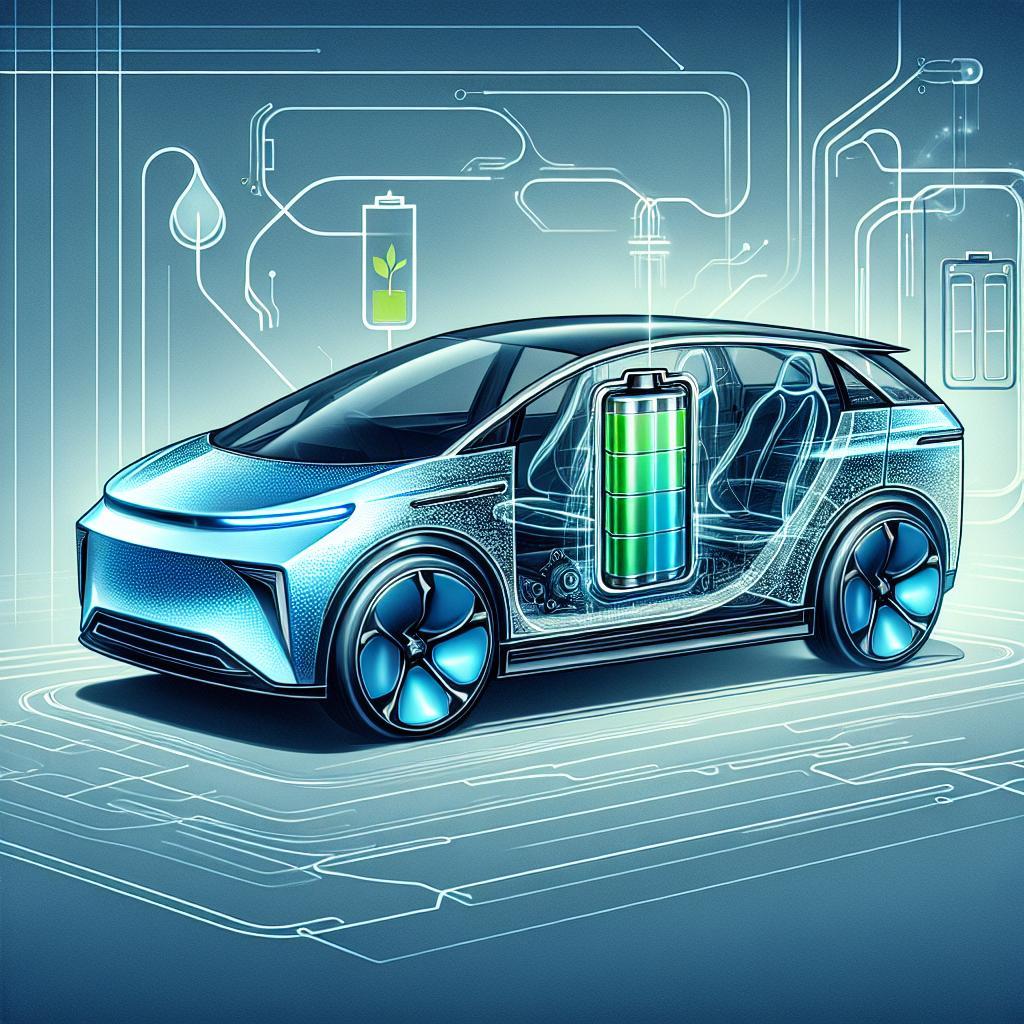
Revolutionizing Energy: The Future of Lithium-Ion Battery Technologies and Electric Vehicles

TABLE OF CONTENTS
- Summary
- Understanding Lithium-Ion Battery Technology
- The Significance of Lithium-Ion Batteries in Modern Applications
- Innovations in Battery Technology for Electric Vehicles
- Market Trends and Future Outlook
- Conclusion
1. Summary
The dynamic realm of lithium-ion battery technology has become indispensable in contemporary energy solutions, particularly within the electric vehicle (EV) sector. This analysis illuminates the foundational mechanisms underlying lithium-ion batteries, detailing their critical components, such as the anode, cathode, separator, electrolyte, and current collectors, which drive their impressive functionality. As the automotive industry strives towards electrification, these batteries not only empower electric vehicles but also serve as pivotal frameworks enabling various applications across consumer electronics, medical devices, and energy storage systems.
Recent innovations have propelled lithium-ion technology into new frontiers, encompassing advancements such as solid-state batteries and alternative chemistries like sodium-ion and potassium-ion systems. These innovations promise enhanced safety, increased energy density, and sustainable sourcing possibilities, marking a significant shift in how battery technology will meet future demands, particularly in light of environmental concerns and the global shift towards renewable energy solutions.
Moreover, the escalation in market dynamics reflects an undeniable trend towards electrification and sustainability. Industry stakeholders are positioned at a crucial juncture, wherein consumer preferences are shifting sharply towards sustainable and efficient energy storage solutions. This phenomenon is not merely reshaping consumer habits but is also reformulating supply chains, sourcing strategies, and the technological landscape as companies innovate to remain competitive in a rapidly evolving sector. As industries pivot towards decarbonization, the implications on energy storage solutions unfold with increasing complexity and promise.
2. Understanding Lithium-Ion Battery Technology
2-1. Basic working principles of lithium-ion batteries
Lithium-ion batteries (LIBs) are central to the functioning of many modern devices, from smartphones to electric vehicles (EVs) and medical tools. The working principle of these batteries involves a series of electrochemical processes that enable energy storage and release. At the core of a lithium-ion battery are key components: the anode, cathode, separator, electrolyte, and current collectors. The anode typically consists of materials like graphite, while the cathode is primarily made from lithium metal oxide compounds. When a lithium-ion battery is charged, lithium ions move from the cathode through the electrolyte to the anode, where they are stored. During discharge, this process reverses: the anode releases lithium ions back to the cathode, generating an electric current that powers the device. This movement of lithium ions is facilitated by the electrolyte, which allows only lithium ions to pass through while preventing electrons from doing so, ensuring a consistent flow of electric current. The energy density of lithium-ion batteries is significantly higher compared to traditional battery technologies, which makes them particularly appealing for high-demand applications such as electric vehicles. This fundamental working mechanism underpins the extensive application and reliance on LIBs across diverse sectors.
2-2. Applications in various sectors
Lithium-ion battery technology has made significant inroads into various industries, contributing to advancements in portable electronics, electric vehicles, and beyond. In the realm of consumer electronics, LIBs have become the preferred power source due to their lightweight nature and high energy density, thus enabling longer battery life in devices such as smartphones, laptops, and tablets. In the automotive industry, the transition towards electric vehicles is inextricably linked to advancements in lithium-ion battery technologies. Electric vehicles rely heavily on LIBs for efficient energy storage and propulsion. Current electric vehicles equipped with these batteries can achieve remarkable ranges, making them competitive with traditional internal combustion engine vehicles. Furthermore, the global push towards sustainability and decarbonization has amplified the demand for lithium-ion batteries in electric vehicles, ultimately influencing industry dynamics and consumer behavior. Aside from consumer electronics and transportation, lithium-ion batteries also play a crucial role in medical devices and energy storage systems. They enable portable medical equipment to function effectively, ensuring that critical devices remain operable in healthcare settings. Additionally, large-scale energy storage systems utilizing lithium-ion technology are being deployed to support renewable energy sources, helping to stabilize power grids and manage supply and demand effectively.
2-3. Advantages and challenges of lithium-ion technology
Lithium-ion technology offers several advantages that have solidified its role in the modern energy landscape. One of the most significant benefits is its high energy density, which allows for smaller, lighter batteries that can store more energy compared to other conventional battery technologies. This characteristic is vital for applications that require significant power in compact forms, such as portable electronics and electric vehicles. Moreover, lithium-ion batteries exhibit a low self-discharge rate, allowing them to maintain charge for longer periods when not in use. They are also highly rechargeable, with the potential for thousands of charge and discharge cycles, making them a cost-effective choice over time. However, challenges persist in the adoption and sustainability of lithium-ion technology. The reliance on rare and often geographically concentrated materials poses supply chain risks and raises concerns regarding the environmental impact of lithium mining and processing. As the demand for electric vehicles and consumer electronics grows, these concerns become more pronounced, necessitating research into alternative materials and recycling processes for lithium-ion batteries. Additionally, lithium-ion batteries can pose safety risks related to thermal runaway, which can lead to fires if not properly managed. Addressing these challenges is essential for the continued growth and acceptance of lithium-ion technology in various applications.
3. The Significance of Lithium-Ion Batteries in Modern Applications
3-1. Role in Portable Electronics
Lithium-ion batteries (LIBs) have become an indispensable component in portable electronics, powering a vast array of devices from smartphones and laptops to tablets and wearable tech. The significance of LIBs in this sector can be attributed to their high energy density, allowing for longer usage times between charges while maintaining a small and lightweight profile. This has revolutionized consumer electronics, enabling users to enjoy continuous connectivity and functionality without being tethered to a power source. The compact nature of lithium-ion batteries makes them particularly suitable for portable electronics, where space is at a premium. Technologies have progressed significantly, allowing cell designs to optimize energy storage without compromising on weight or size. As a result, devices such as smartphones are not only thinner but also offer advanced capabilities, driven by the efficiency of LIB technology. Moreover, the rechargeable nature of lithium-ion batteries contributes to sustainability in electronics, as they can be reused and recharged numerous times, reducing the need for single-use batteries. However, this brings attention to the challenges of battery disposal and recycling, as improperly discarded LIBs can lead to environmental pollution and health hazards due to the toxic materials they contain. With the increasing global push for sustainability, innovations in recycling processes are crucial for mitigating these risks and enhancing the lifecycle of lithium-ion batteries.
3-2. Impact on Electric Vehicles
Lithium-ion batteries are pivotal to the electric vehicle (EV) revolution, fundamentally altering the automotive landscape. As the primary power source for EVs, LIBs enable cars to achieve extended driving ranges, making electric vehicles a practical alternative to traditional gasoline-powered cars. This transition is crucial for addressing climate change and reducing greenhouse gas emissions associated with fossil fuel consumption. The advancements in lithium-ion technology have led to significant improvements in energy storage capacities, with many modern EVs capable of supporting ranges exceeding 300 miles on a single charge. This milestone alleviates range anxiety among consumers and promotes wider adoption of electric vehicles. Moreover, the continuous efforts in optimizing battery chemistry and design have further enhanced charging speeds, decreasing the time required for recharging compared to earlier generations of electric vehicles. However, the reliance on lithium-ion batteries also presents challenges, particularly regarding the sourcing of lithium and other essential materials. Ethical mining practices and sustainable sourcing of raw materials are increasingly scrutinized as the demand rises with the surge of electric vehicle adoption. Companies are exploring alternative battery technologies and recycling methods to ensure a sustainable supply chain, paving the way for the long-term viability of EVs in the market.
3-3. Importance in Medical Devices and Other Industries
The application of lithium-ion batteries extends beyond consumer electronics and electric vehicles; they play a critical role in the medical device sector and numerous other industries. In medical devices, LIBs are fundamental for powering life-saving equipment, including portable defibrillators, insulin pumps, and imaging devices. Their reliability and efficiency are essential for devices that operate in critical or emergency situations, where failure is not an option. Furthermore, the compact and lightweight nature of lithium-ion batteries makes them ideal for medical applications that require portability and convenience for both patients and healthcare professionals. As wearable health technology, such as fitness trackers and health monitors, becomes increasingly prevalent, the demand for lightweight, high-capacity batteries continues to grow, driving improvements in battery performance and safety. Beyond the medical field, lithium-ion batteries are also crucial in sectors like telecommunications, renewable energy systems, and power tools. In telecommunications, they ensure uninterrupted power for network infrastructure, while in renewable energy, they facilitate energy storage solutions that enhance the efficiency of solar and wind power systems. As industries shift toward greener technologies, the demand for efficient battery systems will only escalate, underscoring the importance of ongoing research and development in lithium-ion technology to meet these evolving needs.
4. Innovations in Battery Technology for Electric Vehicles
4-1. Overview of recent advancements in EV batteries
The landscape of electric vehicle (EV) batteries is undergoing a transformative shift driven by recent advancements in battery technologies. Traditional lithium-ion batteries, which have dominated the market for years due to their high energy density and efficiency, are now complemented by groundbreaking developments in alternative battery technologies. Notably, firms like QuantumScape and Volkswagen are pioneering solid-state battery solutions that feature non-flammable, glass-based electrolytes. These innovations promise to enhance safety while significantly increasing energy density, allowing EVs to achieve longer ranges and quicker charging times. With solid-state batteries potentially offering energy densities three times greater than those of conventional lithium-ion batteries, the automotive industry's trajectory towards cleaner transport solutions is set for a rapid acceleration.
Moreover, alternative battery candidates such as sodium-ion and potassium-ion technologies are gaining traction due to their lower production costs and resource availability. Sodium-ion batteries are emerging as robust competitors to lithium-ion systems, underpinned by an abundance of sodium, which mitigates supply chain risks. Similarly, potassium-ion batteries are recognized for their sustainability advantages, given the commonality of potassium compared to lithium and cobalt. These advancements may not only lower the cost barriers associated with EV battery production but also address environmental concerns linked to the extraction and sourcing of traditional battery materials.
4-2. Performance comparison: energy efficiency and output
The performance landscape of EV batteries is multifaceted, gauging energy efficiency, output, and overall efficacy in various operational conditions. Recent reports highlight the impressive capabilities of Form Energy's iron/air battery storage system, which is designed to deliver 8500 MWh of energy for up to 100 hours, decisively outperforming conventional lithium-ion counterparts. This performance metric underscores a significant leap forward in terms of capacity and affordability, positioning iron/air batteries as viable contenders for long-duration energy storage applications.
In contrast, both sodium-ion and potassium-ion batteries have shown promising results in performance metrics. Sodium-ion batteries, being developed by Natron Energy, exhibit lower costs and safety advantages, while still aligning with growing renewable energy demands. However, the sodium-ion technology is yet to fully demonstrate its performance metrics in practical applications comparable to lithium-ion systems. Potassium-ion batteries, developed by Group1, showcase efficient charging capabilities, which stands to enhance the operational efficiency of electric vehicles. These technical nuances emphasize that while emerging battery solutions transgress traditional benchmarks, they also present unique advantages and the potential for varied implementation across different vehicle types.
4-3. Safety and environmental impacts of new technologies
Safety stands at the forefront of battery technology innovations, especially concerning the implications of transitioning from established lithium-ion batteries to newer alternatives. Solid-state batteries, for example, have garnered attention due to their inherent safety advantages; the elimination of flammable liquid electrolytes drastically reduces the risks of thermal runaway and fires—a significant concern with traditional lithium-ion systems. The safety profile of solid-state batteries has positioned them as a game changer in EV applications, earning high ratings in safety evaluations.
In addition to safety, the environmental impact of new battery technologies cannot be understated. Sodium-ion batteries are praised for their lower environmental footprint, attributed to the abundant nature of sodium and the reduced toxicity associated with their extraction and production processes. This aligns with global sustainability goals, making sodium-ion solutions increasingly appealing. Furthermore, potassium-ion batteries, leveraging a more sustainable sourcing approach, present an innovative pathway for alleviating reliance on critical minerals like lithium and cobalt, thus promoting a more sustainable and resilient battery production ecosystem. By focusing on safety and sustainability, these innovations manifest a dual transition—advancing both battery technology performance and ecological responsibility.
5. Market Trends and Future Outlook
5-1. Current Market Dynamics and Consumption Patterns
The global market for lithium-ion batteries is experiencing robust growth, driven by escalating demand across various sectors, particularly in electric vehicles (EVs) and portable electronics. According to market reports, the North America lithium-ion battery market was valued at approximately USD 16,522.14 million in 2024 and is projected to surge to USD 28,097.22 million by 2031, reflecting a compound annual growth rate (CAGR) of 7.57%. This growth is significantly influenced by the increasing adoption of electric vehicles and clean energy technologies.
The evolving consumer preferences towards sustainable transportation alternatives have been a crucial driver of this market expansion. As awareness of environmental sustainability grows, the demand for lithium-ion batteries as a key component of electric vehicle technology is rapidly increasing. In the United States alone, the sales of electric light vehicles jumped from 307,590 in 2020 to over 607,570 in 2021, demonstrating a clear upward trajectory. This shift indicates a broader inclination among consumers to choose zero-emission vehicles, further fueling the need for advanced battery technologies.
5-2. Emerging Trends in Battery Technology
Emerging trends in battery technology are becoming instrumental in redefining the landscape of energy storage, particularly for electric vehicles. The ongoing dominance of lithium-ion technology is being complemented by significant innovations, such as the development of solid-state batteries that feature non-flammable electrolytes. These solid-state batteries, pioneered by companies like QuantumScape and Volkswagen, promise enhancements in safety and energy density, potentially tripling the performance of conventional lithium-ion batteries. The ability to charge quickly while maintaining high energy retention over extensive driving ranges is anticipated to revolutionize EV performance metrics.
Additionally, the market is witnessing the introduction of alternative battery chemistries, such as sodium-ion and potassium-ion batteries. Sodium-ion batteries, exemplified by Natron Energy, offer advantages regarding safety and cost, while potassium-ion batteries propose abundant raw materials as a solution to supply chain constraints faced with lithium and cobalt. These technologies underscore a robust market shift towards more sustainable options and heightened performance capabilities, aligning with the growing consumer demand for safer and more efficient energy storage solutions.
5-3. Predicted Future Directions for Lithium-Ion Batteries in the EV Sector
Looking ahead, the future of lithium-ion batteries in the electric vehicle sector is poised for transformative growth, driven by ongoing advancements in materials and technology. The lithium-ion battery materials market is expected to reach $120.9 billion by 2029, signifying a robust CAGR of 23.6%. This surge is underpinned by a continual push for innovations that enhance battery longevity, efficiency, and environmental impact.
Moreover, regulatory frameworks aimed at promoting clean energy solutions are likely to further incentivize advancements in battery technology. As stricter emissions regulations roll out globally, lithium-ion batteries are positioned to remain a linchpin in the transition to greener transportation. The integration of sophisticated battery management systems (BMS) is anticipated to further augment safety and performance, while research into novel materials aims to push limits on energy density, recycling capabilities, and sustainability, ensuring that lithium-ion technology can adapt to the ever-evolving landscape of energy storage.
Conclusion
In summation, the exploration of lithium-ion battery technology underscores its crucial role in the transition to a sustainable and electrified future. The remarkable advancements captured throughout this discourse reveal a trajectory toward more efficient, safe, and environmentally benign battery solutions, which will undeniably catalyze further innovations in the electric vehicle sector. The integration of emerging technologies such as smart battery management systems and alternative materials not only enhances performance but also addresses the pressing sustainability challenges posed by traditional lithium-ion systems.
Looking forward, it is imperative for industry stakeholders to remain vigilant and proactive concerning developments in battery technology, as the upcoming years shall witness significant shifts in market dynamics driven by regulatory measures and consumer expectations. Continuous research into novel materials, environmental impact mitigation strategies, and the potential integration of artificial intelligence for battery management are paramount in optimizing performance and ensuring reliability.
As the energy landscape continues to crystallize, the interplay between innovation, sustainability, and market demand will dictate the future of lithium-ion batteries. In this evolving paradigm, harnessing the full potential of these technologies will require collaboration among researchers, manufacturers, and policymakers alike, paving the way for a cleaner and more energy-efficient world.