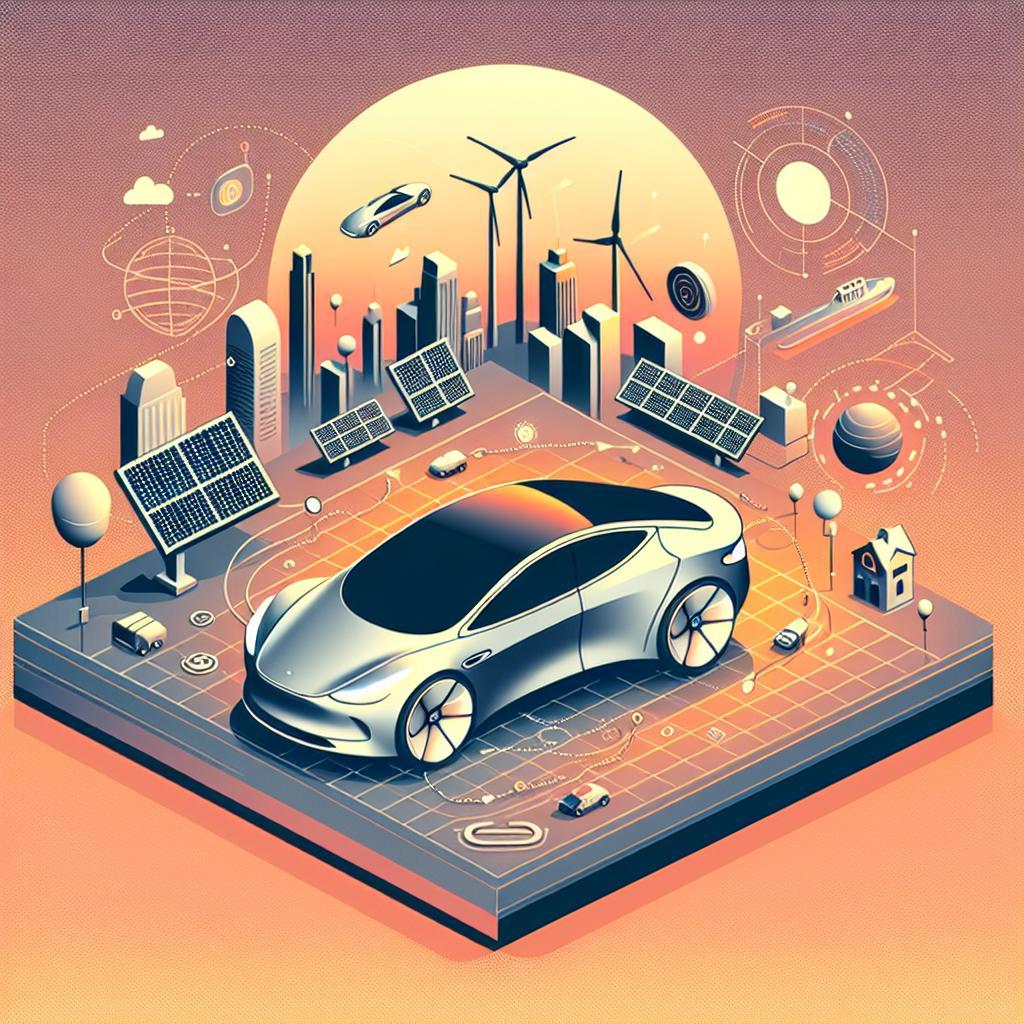
Exploring Tesla Inc: A Comprehensive Analysis of Strengths, Weaknesses, Opportunities, and Threats

TABLE OF CONTENTS
- Summary
- Tesla's Business Overview and Market Presence
- SWOT Analysis of Tesla Inc
- Competitive Advantages and Challenges
- Conclusion
1. Summary
Tesla Inc. has emerged as a pioneering force in the automotive and energy sectors, fundamentally transforming the landscape of electric mobility and sustainable energy solutions. Founded in 2003 and led by tech visionaries like Elon Musk, Tesla has progressively expanded its product portfolio, transitioning from being known as Tesla Motors, Inc. to embracing a broader vision that encompasses electric vehicles (EVs) alongside solar energy products and energy storage solutions. The company’s impressive lineup includes diverse electric models such as the Model S, Model X, Model 3, Model Y, and the highly anticipated Cybertruck, each underpinned by significant technological advancements that showcase efficiency and innovative capabilities like autonomous driving. Beyond automotive innovations, Tesla’s commitment to renewable energy is reflected in its energy products, including solar panels, solar roofs, and advanced battery storage systems like Powerwall and Powerpack. These offerings align with Tesla’s mission to drive the world’s transition to sustainable energy, reinforcing its position as a leader in both the EV and renewable energy sectors. The strategy of vertical integration ensures that Tesla not only maintains high production efficiency but also manages costs effectively by controlling various aspects of the manufacturing process. With a strong global presence, Tesla operates key manufacturing facilities in strategic markets such as the United States, Europe, and China. This geographical diversification not only facilitates rapid scaling of production capabilities but also enables Tesla to respond swiftly to the burgeoning demand for electric vehicles worldwide. Their direct-to-consumer sales approach further augments customer engagement and streamlines the purchasing experience, setting Tesla apart from traditional sales models in the automotive industry. Despite its impressive strengths, Tesla faces noteworthy challenges that could hinder its growth trajectory. Production and delivery logistics remain significant pain points, as evidenced by past issues in scaling production to meet demand. The premium pricing of Tesla’s electric vehicles may restrict access to broader consumer segments, limiting market penetration. Furthermore, as competition intensifies among both established automakers and new entrants, Tesla must navigate a complex landscape while continuing to innovate and adapt its strategies to maintain its leadership position in an ever-evolving market.
2. Tesla's Business Overview and Market Presence
2-1. Introduction to Tesla and its product offerings
Tesla, Inc. is an innovative automotive and energy company founded in 2003, famously spearheaded by entrepreneur Elon Musk. Initially, the company was known as Tesla Motors, Inc. before rebranding itself in February 2017 to better reflect its diversified focus that extends beyond automobiles into energy solutions. Tesla's product suite includes a range of electric vehicles (EVs) and renewable energy products designed to promote sustainable energy consumption and production. The company is well-known for its electric models including the Model S, Model X, Model 3, Model Y, and the upcoming Cybertruck.
In addition to these electric vehicles, Tesla also manufactures energy solutions such as solar panels, solar roofs, and energy storage systems like the Powerwall and Powerpack. Tesla's electric vehicles are not just remarkable for their efficiency but are also equipped with advanced technologies, including self-driving capabilities and innovative battery systems, which underlie their competitive edge in the electric vehicle market.
Tesla operates on a manufacturing model that emphasizes vertical integration—controlling multiple aspects of its production from design and manufacturing to sales and service, which allows for improved efficiency and reduced costs. As of now, the company has established manufacturing facilities not only in the United States but also in vital global markets like Germany and China.
By maintaining a direct-to-consumer sales model through company-owned stores and galleries, Tesla is redefining how customers experience purchasing a vehicle. This model enhances customer engagement and allows for a more streamlined sales process, ensuring that potential buyers have a valued experience when considering electric mobility.
2-2. Global operations: Focus on key markets
Tesla operates in multiple regions around the world with a strong emphasis on key markets such as the United States, Europe, and China. The company’s headquarters is in Austin, Texas, where it continues to expand its manufacturing capabilities and technological innovations. Its operations extend to Europe with the Gigafactory in Berlin, which plays a crucial role in producing vehicles for the European market, helping to meet the growing demand for electric vehicles in this region.
China represents a significant market for Tesla, where the company has established a wholly-owned Gigafactory in Shanghai. This facility is critically important for Tesla's strategy to optimize production costs and cater to the rapidly growing demand for electric vehicles in Asia. The localization of manufacturing in China has allowed Tesla to offer competitive pricing and reduce import tariffs, consequently enhancing its market presence in a region that is increasingly turning towards electric mobility.
In addition to its major manufacturing hubs, Tesla distributes its products through a network of company-owned stores and online platforms, thus allowing it to reach consumers directly. This strategy is reflected in Tesla's sales configurations across various countries, particularly placed in urban centers where the adoption of electric vehicles tends to flourish.
Tesla's global expansion efforts also include a focus on creating synergies with local manufacturers and suppliers, which enhances its ability to decrease lead times and manage production more effectively. By strategically establishing a presence in essential international markets, Tesla is positioned to capture emerging consumer trends towards sustainability and innovative technology.
2-3. Recent developments in Tesla's business strategy
Recently, Tesla has been actively refining its business strategy to not only sustain its leadership in electric vehicles but also capitalize on the growing interest in clean energy solutions. One of the major recent developments is the company's increased investment in the development and deployment of full self-driving (FSD) technology. This initiative aims to enhance the safety and convenience of Tesla’s vehicles while setting the stage for future autonomous service offerings. Plans have been announced for the introduction of FSD technology in various international markets, including both Europe and China.
Moreover, Tesla is exploring strategic partnerships to advance its clean energy initiatives. Collaborations with companies like Eaton aim to improve systems for home energy storage and solar installations, thus bolstering Tesla’s position in the energy sector. Such initiatives not only promote Tesla’s automotive segment but also seek to fundamentally change how consumers engage with renewable energy in their everyday lives.
Additionally, Tesla's response to challenges in the supply chain and production logistics has been noteworthy. Continuous enhancements in manufacturing efficiency are critical, especially as the company strives to meet its ambitious targets for vehicle deliveries and expansions into new markets. Recent strategies include optimizing production schedules and incorporating advanced manufacturing technologies to meet rising demand while balancing cost considerations.
Sustainability remains at the core of Tesla's strategic outlook. By promoting its holistic approach—spanning electric vehicles, energy generation, and storage solutions—Tesla seeks to perpetuate its mission of accelerating the world’s transition to sustainable energy. The company’s initiatives and investments in renewable energy technologies are clear indicators of its dedication to influencing global energy consumption and environmental conservation.
3. SWOT Analysis of Tesla Inc
3-1. Strengths: Innovative technology and strong brand recognition
Tesla Inc. stands out prominently in the electric vehicle (EV) market due to its innovative technology and formidable brand recognition. Known for advancements in battery technology, electric motors, and autonomous driving capabilities, Tesla has consistently invested in research and development. This commitment to innovation allows Tesla not only to enhance the performance of its vehicles—such as the extended range of the Model S and Model 3—but also to ensure that it remains ahead of both existing competitors and new entrants in the EV space. The emphasis on cutting-edge technology contributes significantly to Tesla's reputation as a market leader in electric vehicle manufacturing.
Moreover, Tesla's brand has become synonymous with luxury and sustainability, appealing to environmentally conscious consumers. The strong brand identity has cultivated a loyal customer base who associate the name Tesla with high performance and pioneering environmental responsibility. Being at the forefront of the EV revolution, Tesla's market share continues to expand. By vertically integrating its supply chain, Tesla controls various aspects, from manufacturing to retail, significantly reducing production costs and optimizing efficiency. This strategic advantage has further solidified its standing as an industry innovator.
3-2. Weaknesses: Challenges in production and delivery logistics
Despite its numerous strengths, Tesla faces substantial weaknesses that could hinder its operational efficiency and growth trajectory. One of the primary challenges is its reliance on the electric vehicle market, which, while growing, remains a smaller segment of the overall automotive industry. This dependence exposes Tesla to fluctuations in market demand and shifts in consumer preferences, potentially limiting its long-term viability. A prominent example of this vulnerability is evident in Tesla’s struggle to meet production goals for its Model 3 sedan, which caused significant delays and adversely affected profitability. This inability to scale up production quickly to meet surging demand can damage brand perception and consumer trust.
Additionally, Tesla's electric vehicles are often higher priced than traditional gasoline-powered vehicles, which may alienate certain market segments. While they provide superior technology and sustainability benefits, this luxury positioning restricts access to a wider audience. Coupled with its need for government incentives, Tesla's reliance on external economic factors can threaten its growth if these incentives are altered or removed. Furthermore, being a relatively new player in the automotive sector limits Tesla's manufacturing experience, posing an ongoing challenge as competition tightens.
3-3. Opportunities: Expanding market demand and international growth
As the electric vehicle market continues to evolve, Tesla is positioned to capitalize on a variety of promising opportunities. The global push towards sustainable energy and electric transportation is gaining momentum, driven by government policies and growing environmental concerns. This is projected to create immense demand for electric vehicles in the coming years, providing Tesla the chance to expand its market share significantly. Furthermore, expanding its presence in untapped markets, particularly in developing nations, could yield substantial sales growth and network enhancement, allowing Tesla to introduce its innovative products to new consumers.
Tesla also has room to diversify its product line beyond traditional automobiles. Recent ventures into renewable energy solutions such as solar panels and energy storage systems display its potential for leveraging crossover innovation between electric vehicles and green technology. This diversification could not only mitigate reliance on the automobile sector but also help establish Tesla as a comprehensive renewable energy provider. Strategic partnerships and collaborations in relevant sectors can enhance Tesla's market reach and share resources which can boost its technological capabilities. Ultimately, as awareness of climate change rises, Tesla has the opportunity to emerge as a leader in sustainable energy solutions, hence attracting an increasingly eco-conscious consumer base.
3-4. Threats: Increased competition and regulatory challenges
Tesla's journey in the electric vehicle sector is not without significant threats that could challenge its existing market position. With the rapid rise in demand for electric vehicles, many established automotive manufacturers are pivoting towards electric models, increasing competition in the marketplace. Traditional automakers possess vast resources and well-established brands, which puts pressure on Tesla's market share and could potentially impact pricing strategies. Additionally, new entrants continually emerge, presenting innovative alternatives that could attract customers away from Tesla.
Economic fluctuations are another critical concern for Tesla. Shifts in economic conditions, including recessions or changes in interest rates, can directly affect consumer spending power, which may reduce demand for Tesla's higher-priced vehicles. The importance of the regulatory landscape can't be overlooked either; any changes in government regulations surrounding electric vehicles, such as tax credits or emissions standards, could adversely impact Tesla's sales and profitability. Supply chain disruptions, particularly in sourcing materials essential for battery production, pose another risk that can hinder production timelines and operational efficiency. Lastly, as a tech-centric company, Tesla must navigate the growing threat of cyber security risks that could lead to data breaches or damage its reputation and consumer trust.
4. Competitive Advantages and Challenges
4-1. Analysis of Tesla’s unique value proposition
Tesla Inc. has established a compelling value proposition that sets it apart from competitors in the automotive and energy sectors. One of the primary elements of Tesla's value proposition is its innovation in technology. The company invests heavily in research and development, leading to advancements such as its proprietary battery technology and autonomous driving capabilities. This innovative edge provides customers with vehicles known for their performance, range, and cutting-edge features, reinforcing Tesla’s image as a pioneer in electric vehicles (EVs). Furthermore, Tesla's commitment to sustainability resonates with environmentally conscious consumers, delivering a strong brand image tied to clean energy solutions. Beyond vehicles, Tesla extends its unique value proposition through its energy products, including solar panels and battery storage systems. This harmonized ecosystem not only supports the company's mission to accelerate the world's transition to sustainable energy but also encourages customer loyalty as they engage with the brand across multiple touchpoints, from transportation to energy consumption. Moreover, Tesla's direct-to-consumer sales model, which operates primarily through company-owned stores and online platforms, enhances customer experience and allows for greater control over the buying process, further distinguishing its market approach.
In addition to these advantages, vertical integration in Tesla's supply chain plays a crucial role in its competitive strategy. By controlling various stages of production, including the manufacturing of key components, Tesla is able to manage costs effectively, reduce dependency on external suppliers, and maintain quality control. This integration not only enhances operational efficiency but also positions Tesla favorably against traditional automakers who often rely on extensive supplier networks. Thus, Tesla's unique value proposition lies in its blend of innovative technology, commitment to sustainability, customer-focused sales strategy, and robust supply chain management.
4-2. Overview of competitors in the electric vehicle market
The competitive landscape of the electric vehicle market is rapidly evolving, with several traditional and new entrants vying for market share against Tesla. Established automakers like Ford, General Motors (GM), and Volkswagen are intensifying their focus on electric mobility, rolling out ambitious plans to electrify their vehicle lineups. For example, Ford's commitment to invest over $30 billion in electrification by 2025 includes the release of the Ford Mustang Mach-E and the F-150 Lightning, two models that aim to capture segments of Tesla's customer base. Similarly, Volkswagen's ID.4 represents a significant push into the EV arena, leveraging the company's vast manufacturing experience and established brand recognition to attract consumers shifting towards electric options. In addition to traditional players, numerous startups and tech-focused firms are emerging, presenting further challenges to Tesla. Companies such as Rivian and Lucid Motors are gaining attention with their premium EV offerings, targeting luxury consumers and highlighting advanced features such as long-range batteries and performance-driven designs. However, their ability to scale production efficiently remains a critical obstacle compared to Tesla’s established manufacturing capabilities and supply chain expertise. One notable aspect of the competition is the increasing investment in battery technology and charging infrastructure. Many competitors are forming strategic partnerships to enhance their charging networks, such as GM's collaboration with ChargePoint. These alignments aim not only to alleviate range anxiety but also to create a more user-friendly EV ecosystem, thereby increasing the appeal of their electric vehicles in a market where Tesla currently dominates.
4-3. Strategic recommendations for maintaining leadership
To sustain its leadership position in the competitive electric vehicle market, Tesla must adopt a multifaceted strategy that encompasses continuous innovation, enhanced manufacturing efficiency, and strengthened customer engagement. First and foremost, maintaining its commitment to research and development is crucial. Tesla should continue to lead in battery technology advancements, focusing on developing even more efficient and cost-effective solutions to not only decrease vehicle prices but also extend range and performance. Additionally, investing in the development of next-generation autonomous driving technologies will help Tesla differentiate its offerings and solidify its reputation as a tech innovator. Furthermore, Tesla can optimize its manufacturing processes by expanding its Gigafactory network, specifically targeting regions with growing demand. This regional diversification would not only increase production capacity but also reduce logistical costs and increase market responsiveness. Partnerships with local suppliers can enhance this strategy by fostering local economies while ensuring readiness to adjust to market needs quickly. Customer engagement should also be a priority. Tesla can bolster this by enhancing its service experience through more convenient customer contact points, including mobile service options and improved online support systems. Strengthening the Tesla community through events and social media engagement fosters brand loyalty and customer advocacy. By leveraging consumer insights gathered through these channels, Tesla can adapt its product offerings to meet evolving customer expectations and preferences, thereby solidifying its market leadership in the long term.
Conclusion
The comprehensive analysis underscores Tesla’s formidable position within the automotive and energy sectors, accentuating its significant strengths, including innovative technology and a strong brand presence. These assets provide a robust foundation for future growth opportunities, especially as the global shift toward sustainable energy continues to gain momentum. However, the assessment also brings to light the imperative for Tesla to remain committed to continuous innovation while addressing challenges such as production logistics and competitive pressures. In light of these insights, stakeholders—from investors to consumers—should remain cognizant of Tesla’s trajectory in a rapidly evolving marketplace focused on eco-friendly solutions. The interplay between Tesla’s market strategies, its response to increased competition, and the overarching economic and regulatory landscapes will significantly shape its future. Such dynamics will be crucial in determining how effectively Tesla can leverage its strengths to overcome potential obstacles and capitalize on emerging opportunities. Looking ahead, the anticipation surrounding Tesla’s advancements in battery technology and autonomous driving capabilities, alongside its pivotal role in renewable energy, positions the company not only as an industry leader but also as a key player in the broader discourse on sustainability and innovation. By staying attuned to shifting consumer preferences and environmental imperatives, Tesla stands poised to continue influencing how global markets transition towards electric mobility and clean energy solutions.