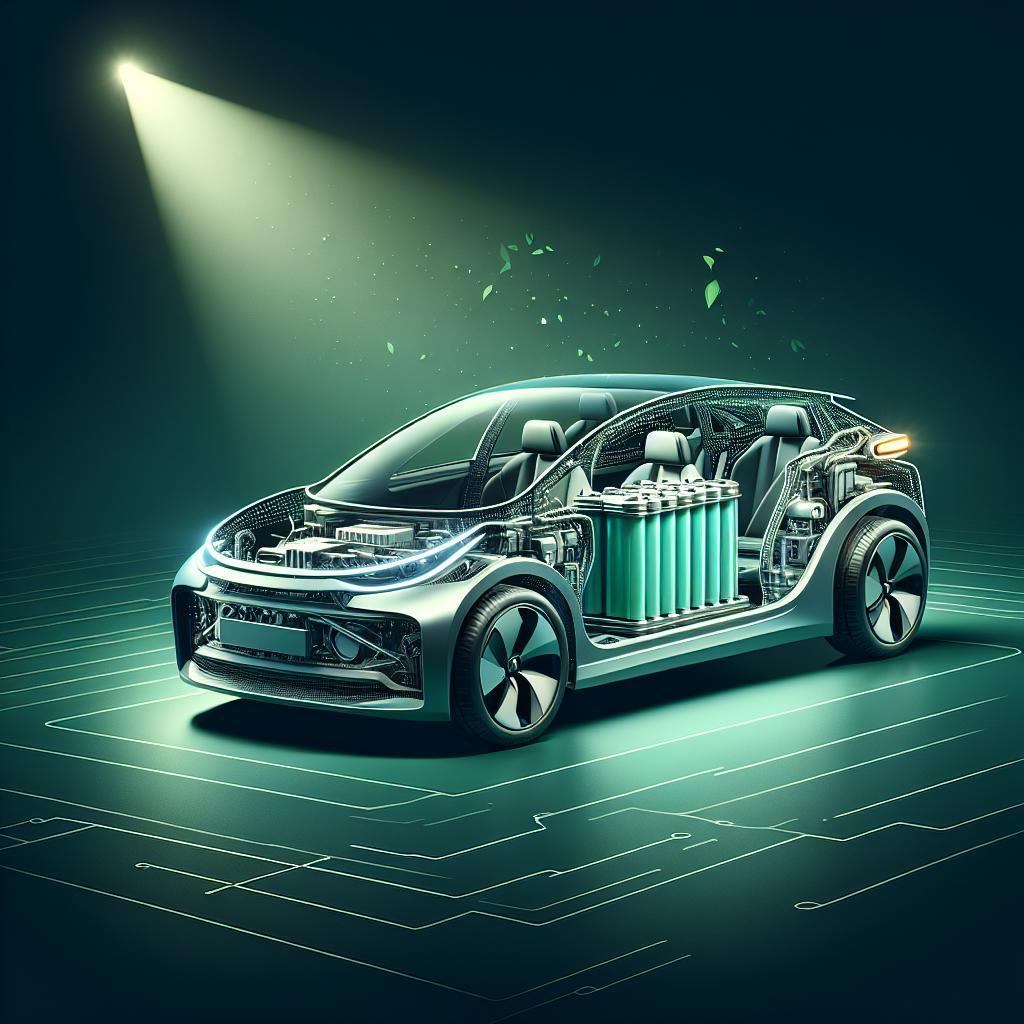
Revolutionizing Electric Vehicles: The Latest Innovations in Battery Technology

TABLE OF CONTENTS
- Summary
- The Significance of Battery Technology in Electric Vehicles
- Innovations in Lithium-Ion Battery Technology
- Evaluating Energy Efficiency and Safety Standards
- Market Dynamics and Consumer Behavior
- Conclusion
1. Summary
The growing demand for electric vehicles (EVs) is driving significant innovations in battery technology, particularly within the realm of lithium-ion batteries. As the automotive industry shifts towards sustainable energy solutions, this exploration addresses the groundbreaking advancements that are pivotal for enhancing EV performance. Modern lithium-ion batteries are distinguished by their high energy density, which directly impacts the viability of electric vehicles by providing longer driving ranges, thus alleviating consumer apprehensions related to range anxiety. Additionally, ongoing improvements in charging technology, such as the implementation of fast-charging systems, are contributing to the enhanced convenience of using electric vehicles. These advancements not only cater to the immediate needs of consumers but also address larger environmental goals by reducing the carbon footprint associated with traditional internal combustion engines (ICEs). Furthermore, this overview delves into the technological strides that have elevated safety standards and performance metrics critical to EV adoption. Current insights reveal that as battery technologies evolve, manufacturers are navigating a complex landscape characterized by continuously changing consumer preferences and market demands. This synthesis of knowledge underscores the interplay between technology, consumer behavior, and market dynamics, establishing a comprehensive understanding of the battery technology landscape. With a wealth of data from recent studies, the report elaborates on how innovations in battery technology are reshaping the electric vehicle landscape and paving the way for a more sustainable automotive future.
2. The Significance of Battery Technology in Electric Vehicles
2-1. Importance of batteries in EV performance and adoption
Battery technology plays a pivotal role in the performance and widespread adoption of electric vehicles (EVs). Lithium-ion batteries, the most common type used in EVs, are renowned for their high energy density, allowing for longer driving ranges on a single charge. This characteristic directly impacts consumer perception, as performance metrics like range anxiety can deter potential buyers. According to industry reports, the shift to battery-powered systems has led to a remarkable increase in EV sales, with significant growth observed in markets across North America and Europe, where annual sales have doubled in recent years.
The advancement of battery technology is not only crucial for improving range but also for reducing charging times, which has historically been a barrier to EV adoption. Innovations such as fast-charging systems enable batteries to recharge significantly quicker than traditional options, making electric vehicles more convenient to use. Moreover, performance improvements such as enhanced thermal stability and longevity also demonstrate the evolving capabilities of modern battery technologies, such as solid-state and sodium-ion batteries, which promise even greater efficiency and environmental benefits. As manufacturers work closely with technology providers, the integration of advanced battery management systems (BMS) further optimizes performance by ensuring safe usage and efficient energy flow.
The growing infrastructure for battery recharging stations complements advancements in battery technology, enhancing the overall viability of electric vehicles. As range and charging functionalities improve, the market uptake of electric vehicles accelerates, leading to increased consumer acceptance and a resultant surge in production and demand.
2-2. Role of battery technology in reducing carbon footprint
Battery technology is at the forefront of strategies aimed at reducing the carbon footprint associated with transportation. The electric vehicle sector is viewed as a crucial player in the transition towards sustainable energy and an effort to mitigate global warming. Transitioning from internal combustion engines (ICEs) to electric power sources results in substantial reductions in greenhouse gas emissions, particularly when paired with renewable energy sources that charge these vehicles. As per various reports, using lithium-ion batteries can lead to up to a 70% reduction in emissions over the lifecycle of the vehicle compared to traditional fuel vehicles.
Emerging alternatives in battery technology, such as sodium-ion and potassium-ion batteries, are gaining attention for their lower environmental impact compared to lithium-ion batteries. These alternatives utilize more abundant materials and result in reduced ecological disruption associated with mining operations. Research indicates that sodium-ion batteries, for example, have a significantly lower carbon footprint during production, contributing to a more sustainable lifecycle for EVs and reducing toxic waste generation associated with battery disposal. Furthermore, the recyclability of various battery materials continues to improve, emphasizing a complete cycle approach to battery production and disposal that benefits the environment.
In addition to raw material sourcing, the full lifecycle analysis of batteries, including the efficiency of energy produced from renewable sources for recharging, is critical. Future improvements in energy production technology will further enhance the overall sustainability of electric vehicles running on innovative battery technologies, thereby further supporting global efforts to lower carbon emissions.
2-3. Overview of the current state of the EV market
The current state of the electric vehicle market reflects a dynamic period of growth and transformation fueled by robust consumer demand and innovative advancements in battery technology. As of 2025, estimates project a marked increase in electric vehicle sales, underscored by investments in battery research and the development of efficient charging infrastructure. Reports suggest that the electric vehicle market is poised to reach a valuation of approximately USD 233.46 billion by 2030, indicating a substantial consumer shift towards electric mobility fueled by enhanced battery performance and affordability.
One of the notable trends shaping the EV landscape is the escalation of regulatory frameworks that encourage the transition to electric vehicles. Government incentives, subsidies for EV purchase, and stricter emissions regulations are fostering a more favorable environment for manufacturers and consumers alike. In parallel, advancements in battery technology are enabling the launch of new EV models that appeal to a broad spectrum of consumers—from budget-friendly options to luxurious high-performance vehicles—thereby addressing diverse market needs.
However, challenges persist, including supply chain disruptions and the fluctuating prices of raw materials essential for battery production. The competitive battery technology landscape also introduces numerous emerging players competing against established manufacturers. Innovations in solid-state and lithium-silicon batteries could redefine the market landscape, potentially setting new standards for performance and safety. As we move further into 2025, the focus on enhancing battery technologies, coupled with supportive policies and consumer preferences, will undoubtedly shape the future trajectory of the electric vehicle market.
3. Innovations in Lithium-Ion Battery Technology
3-1. Advancements in lithium-ion technology
Lithium-ion batteries (LIBs) have emerged as the leading power source across various applications, particularly in electric vehicles (EVs) and portable electronics. Innovations in this sector are largely defined by advancements in materials and chemical formulations that enhance the batteries' performance, safety, and longevity. Recent developments focus on improving the energy density and reducing the costs associated with battery production. For instance, research is underway to develop new cathode materials such as nickel-rich compounds and lithium iron phosphate (LFP), which offer improved safety profiles and efficiency in energy consumption. These innovations are crucial as the performance threshold of traditional lithium-ion batteries is continually pushed to meet evolving consumer demands and regulatory frameworks aimed at reducing carbon emissions. Moreover, the development of solid-state batteries is set to revolutionize the lithium-ion battery landscape. Companies like QuantumScape are leading the charge in producing batteries with solid electrolytes, which provide significant advantages over conventional liquid electrolytes. These solid-state solutions offer greater energy densities, a higher degree of safety due to their non-flammable nature, and longer life spans. Although still in the early stages of commercialization, solid-state technology presents a compelling future direction for battery innovations.
3-2. Performance metrics: energy efficiency and output
The performance metrics of lithium-ion batteries encompass energy efficiency and output capabilities, which are critical for the success and adoption of electric vehicles. Energy density, measured in watt-hours per kilogram (Wh/kg), is a pivotal factor that determines how much energy a battery can store relative to its weight. Recent advancements have seen lithium-ion batteries achieving energy densities exceeding 250 Wh/kg, which is essential for maximizing the range of EVs on a single charge. In addition to energy density, the rate of energy output, characterized as power density (often measured in watts per kilogram), is crucial for acceleration and overall vehicle performance. Enhancements in thermal management technologies and battery management systems (BMS) are also contributing to better output performance and reliability under various environmental conditions, thereby boosting consumer confidence in electric mobility. Furthermore, innovation in lithium-ion chemistries, such as the integration of silicon-based anodes, is expected to dramatically enhance capacity while maintaining efficient charging cycles. Such advancements are anticipated to propel performance benchmarks in the coming years.
3-3. Features of leading manufacturers in 2024
As of 2024, several manufacturers have distinguished themselves through their commitment to innovation and sustainability in lithium-ion battery technology. Leading companies like Tesla, LG Chem, and Panasonic are at the forefront, leveraging state-of-the-art production techniques and advanced materials to enhance battery performance. For instance, Tesla's utilization of advanced battery chemistry and high-capacity battery packs enables substantial driving ranges, which has become a key selling point in their electric vehicles. Furthermore, manufacturers are focusing on sustainability practices, which include sourcing materials responsibly and increasing the recyclability of batteries. With the pressing global demand for lithium-ion batteries, companies are also investing in recycling technologies to minimize waste and recover valuable materials like lithium and cobalt, which are critical to battery production. This shift towards sustainable practices reflects a broader industry trend toward environmental stewardship and regulation compliance, responding to growing consumer awareness and demand for eco-friendly products. Ultimately, the innovations from these leading manufacturers will shape the future landscape of lithium-ion battery technology, enhancing both performance and the overall environmental impact of electric vehicles.
4. Evaluating Energy Efficiency and Safety Standards
4-1. Comparative analysis of energy sources for EVs
The evolution of energy sources for electric vehicles (EVs) is critical in assessing overall energy efficiency and environmental impact. Traditional lithium-ion batteries have been the cornerstone of EV technology due to their high energy density and efficiency. However, as the sector evolves, alternative battery technologies such as sodium-ion, potassium-ion, and solid-state batteries are emerging as viable contenders. Each of these technologies presents distinct advantages and challenges regarding energy output and efficiency. Sodium-ion batteries, for instance, provide lower production costs and promise significant safety benefits due to material abundance and reduced toxicity. Conversely, potassium-ion batteries are lauded for their sustainability, as their sourcing is less harmful to the environment compared to that of lithium or cobalt. The energy efficiency of these alternative technologies is crucial, especially their ability to deliver substantial energy capacity over extended periods. Form Energy's iron/air battery system, which can deliver energy for up to 100 hours and retain significant capacity at lower costs, underscores the growing interest in energy efficiency from new sources. This comparative analysis highlights the necessity of evaluating not just the energy output of these sources but also their lifecycle and environmental ramifications.
4-2. Safety enhancements in modern lithium-ion batteries
Safety is paramount in the design and development of lithium-ion batteries given their widespread use in electric vehicles. Innovations in lithium-ion technology focus on minimizing risks associated with thermal runaway—a condition where an increase in temperature leads to a self-sustaining process that can cause fires or explosions. The introduction of solid-state battery technology marks a significant enhancement in safety standards. Unlike traditional lithium-ion batteries that utilize flammable liquid electrolytes, solid-state batteries employ non-flammable solid electrolytes, drastically reducing fire risks. Furthermore, advancements in battery management systems (BMS) ensure that the batteries operate within safe parameters. Continuous monitoring and control of battery conditions such as temperature and charge levels are crucial in preventing catastrophic failures. According to various studies, solid-state batteries receive high safety ratings due to their enhanced stability and reliability. The push for safety certifications, backed by regulatory frameworks from governing bodies like the National Highway Traffic Safety Administration (NHTSA), serves to strengthen consumer confidence in the safety of these battery technologies.
4-3. Environmental impact considerations
Environmental considerations play a critical role in the lifecycle assessment of battery technologies for electric vehicles. Lithium-ion batteries, while presently dominant, present significant environmental challenges associated with the extraction of lithium and cobalt, both of which have raised ethical and ecological concerns. The environmental impact of alternative technologies such as sodium-ion and potassium-ion batteries has been recognized for their lower ecological footprints. For instance, sodium, being abundant and less toxic in extraction, provides a more sustainable alternative. The reduced demand for scarce resources promotes a greener approach to battery production that aligns with global sustainability goals. Additionally, innovations in recycling processes for batteries are becoming increasingly crucial as the market expands. Improvements in recycling technology promise to mitigate waste by reusing materials, thus lowering the carbon footprint associated with new production. Reports highlight that emerging battery technologies, in particular, illustrate a commitment to reducing environmental impact, a factor that will significantly shape consumer preferences and regulatory policies in the future.
5. Market Dynamics and Consumer Behavior
5-1. Trends influencing the battery market for EVs
The electric vehicle (EV) battery market is currently experiencing a significant transformation, driven by various emergent trends. Central to these changes is the ongoing dominance of lithium-ion battery technology, which remains a critical component of EVs due to its high energy density and efficiency. Projections show that the North American lithium-ion battery market is expected to grow from USD 16,522.14 million in 2024 to USD 28,097.22 million by 2031, reflecting a compound annual growth rate (CAGR) of 7.57%. This uptick in market size is attributed to rising consumer demand for cleaner transportation options, particularly in light of regulatory frameworks pushing for lower emissions and increased electrification of the transportation sector. In parallel, there is an increasing interest in alternative battery technologies, such as sodium-ion and potassium-ion batteries, touted for their potential cost-saving and sustainability advantages. For instance, sodium-ion batteries have emerged as a notable alternative due to their lower production costs, stemming from the abundant availability of sodium compared to lithium. As these trends continue to evolve, higher expectations for safety and sustainability are also reflected in the shifts in consumer preferences, particularly as awareness of environmental impacts increases.
5-2. Consumer preferences and their impact on technology adoption
Consumer preferences are increasingly leaning toward technologies that prioritize efficiency, sustainability, and safety. As reported, there is a notable shift towards solid-state batteries—known for their non-flammable electrolytes and superior safety profiles—indicative of evolving consumer sentiment focused on the risks associated with traditional lithium-ion systems. This shift is supported largely by a growing environmental consciousness among consumers, driving a surge in demand for cleaner battery technologies and enhancing electric vehicle adoption rates. Moreover, consumers are demonstrating a preference for reduced reliance on critical minerals like lithium and cobalt, leading to growing interest in battery technologies like sodium-ion and potassium-ion. The latter technologies not only promise significant cost advantages but also present more sustainable sourcing options, thus aligning with broader consumer values surrounding sustainability. This growing trend has implications for manufacturers as they seek to capture the emerging market; adapting offerings to align with consumer preferences will be pivotal in determining market success.
5-3. The role of sustainability in consumer decision-making
Sustainability increasingly plays a critical role in consumer decision-making processes, particularly in the context of purchasing electric vehicles and their associated battery technologies. As consumers become more informed about the environmental impacts of their choices, they are naturally gravitating toward products that offer reduced carbon footprints and higher sustainability standards. According to recent findings, sustainable battery technologies, such as sodium-ion and potassium-ion, are witnessing heightened interest due to their potential for lower environmental impacts and superior resource availability compared to traditional lithium-ion batteries. Additionally, regulatory initiatives aimed at promoting clean energy and enhancing safety certifications are further solidifying sustainability's role in consumer preferences. These dynamics indicate that manufacturers must not only prioritize innovation but also clearly communicate the sustainability features of their products to align with consumer values. This focus on sustainability can enhance brand loyalty, as consumers increasingly favor companies that actively work towards environmentally-friendly practices in their production and supply chains.
Conclusion
The insights gathered reveal a transformative period within the electric vehicle sector, where advancements in battery technology are at the forefront of innovation. As lithium-ion technology progresses, its integration of enhanced safety protocols and efficiency metrics aligns closely with consumer expectations and industry regulations, creating a fertile ground for EV adoption. The proactive response of manufacturers to these consumer trends, particularly with regard to sustainability and safety, positions them favorably in a shifting market. As 2025 unfolds, the spotlight remains on emerging alternatives to lithium-ion batteries, including sodium-ion and potassium-ion technologies, which promise to further disrupt the battery landscape with their cost-effectiveness and environmental benefits. These developments underscore the growing necessity for the industry to adapt swiftly to the evolving demands of a conscientious consumer base. The trajectory of battery technology not only reflects consumer values but also plays a crucial role in guiding future innovations. In conclusion, the ongoing advancements and increasing focus on sustainability in battery technology will undoubtedly propel the electric vehicle market into a new era, reinforcing their place as a pivotal solution for environmentally-friendly transportation. With continued advancements on the horizon, the landscape of battery technology for electric vehicles remains one of the most dynamic and influential fields, where innovations will continue to emerge, shaping the future of mobility.