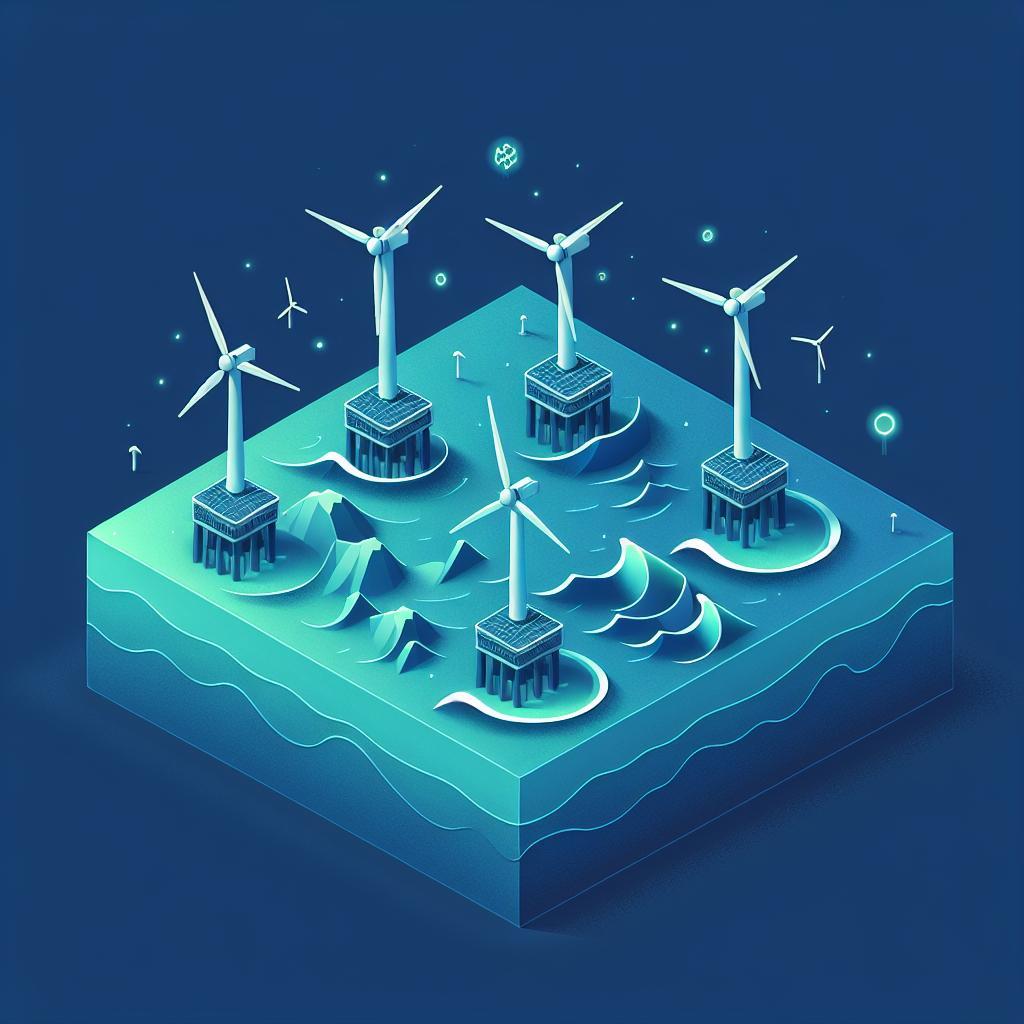
Marine Energy: Innovations and Challenges

TABLE OF CONTENTS
- Summary
- Marine Energy Conversion Technologies
- Certification Processes in Marine Energy
- Economic Viability of Marine Energy
- Historical Context and Development
- Conclusion
1. Summary
Diving into the vast potential of marine energy, this report explores current marine energy converters (MECs) technologies and the hurdles they face in commercial deployment. As the world pushes towards renewable energy solutions, devices such as tidal and wave energy converters promise substantial, underutilized resources for electricity generation. However, challenges abound, including the need for rigorous certification processes and economic viability concerns. The role of the International Electrotechnical Commission (IEC) in setting standards is crucial, with frameworks like the IECRE providing essential certification pathways. Meanwhile, the European Marine Energy Centre (EMEC) serves as a pivotal testing ground, advancing technology and innovation in marine energy. The report also delves into the historical context, detailing milestones and ongoing developments that underscore marine energy's significance within the broader renewable energy sector.
2. Marine Energy Conversion Technologies
2-1. Overview of Marine Energy Converters
Marine energy converters (MECs) are essential for harnessing the energy from oceanic sources. They require prototype certification before they can be commercially deployed, which is now offered by IEC-approved certification bodies. Marine energy remains one of the lesser-known renewable energy sources, albeit with a significant untapped potential for power generation from the ocean. As global emission targets for 2050 approach, technology developers are under pressure to enhance the commercial viability of this industry.
2-2. Types of Marine Energy Conversion Technologies
There are various technologies for converting oceanic energy into usable forms. MECs can transform tidal currents, river currents, and ocean thermal energy into electricity. The primary types of converters include tidal energy converters and wave energy converters (WECs). Each type employs different operational principles and can address local resource conditions and requirements.
2-3. Wave Energy Converters (WECs)
Wave energy converters capture the energy generated by wind waves for practical applications such as electricity generation. The energy flow from waves is typically denser than wind energy and can be harnessed using various methods, including oscillating water columns and point absorbers. Despite the high power density associated with wave energy, commercial application has been limited, with trials dating back to 1890 but still lacking widespread deployment.
2-4. Tidal Energy Converters
Tidal energy converters exploit the energy from tidal flows caused primarily by the gravitational pull of celestial bodies. While wave energy is more predictable compared to wind and solar energy, tidal energy converters face unique challenges related to regional current flows, water depths, and subsea topologies that influence their design and deployment.
3. Certification Processes in Marine Energy
3-1. Importance of Prototype Certification
Prototype certification is crucial for marine energy converters (MECs) as it is required before their commercial deployment. The certification establishes safety and performance standards for these devices, which are still largely immature and not ready for widespread production. Experts emphasize that many technologies are in the prototype phase and must demonstrate the capability to produce electrical power independently before they can be considered ready for integration into the energy grid.
3-2. IECRE Conformity Assessment System
The IECRE (International Electrotechnical Commission Renewable Energy) Conformity Assessment System is specifically designed for the certification of equipment used in renewable energy applications, including marine energy technologies. This system provides the framework for the assessment of MECs based on international standards. The IEC has published the IEC 62600 suite of technical specifications, which focuses on various marine energy technologies such as wave, tidal, river current, and ocean thermal energy converters.
3-3. Role of Certification Bodies
Certification bodies play a pivotal role in the marine energy sector, as they conduct the assessments necessary for MECs to achieve certification. Recognized by the IECRE, these independent third-party organizations are responsible for ensuring that marine energy converters meet all safety and performance requirements as outlined in international standards. For instance, Lloyd's Register was acknowledged as the world's first renewable energy certification body for marine energy and has been instrumental in the development of operational documents for the IECRE.
3-4. Incremental Steps in Certification History
The history of certification in marine energy has seen many incremental steps. In 2020, the European Marine Energy Centre (EMEC) became the first laboratory to operate within the IECRE marine energy sector. In 2021, Lloyd’s Register was recognized as the only renewable energy certification body with a focus on the wind and marine energy sectors. Progress continued in 2023 when Flex Marine Power became the first to receive an IECRE Feasibility Statement for its Swimmer TurbineTM SW2 converter, marking significant advancements in the certification process for tidal energy converters.
4. Economic Viability of Marine Energy
4-1. Current Economic Challenges
Marine energy converters require prototype certification before commercial deployment, which is currently being offered by IEC approved certification bodies. This requirement is crucial as many marine energy technologies are still considered immature and are not yet ready for mass production and commercial deployment. Deploying marine energy systems underwater is significantly more expensive, estimated to be at least ten times more than surface deployments. In 2023, experts voiced concerns regarding the slow growth of the marine energy sector compared to wind or solar energy industries. Economic barriers include costs associated with equipment, research assessments, testing, and prototyping.
4-2. Factors Affecting Marine Energy Growth
Several factors impact the growth of marine energy technologies. Varying local conditions such as water depth, current flows, subsea topologies, and metocean conditions necessitate localized solutions, complicating the deployment of marine energy technologies. For instance, ocean thermal energy converters are better suited for equatorial regions, where the potential for wave or tidal energy may be lacking. Additionally, the diversity of marine energy converter designs—each tailored to specific local resource conditions—adds complexity to their development and deployment.
4-3. Comparison with Other Renewable Sources
Marine energy is distinct from other renewable sources such as wind and solar energy due to its predictability; waves and tides are more stable compared to the intermittent nature of wind and solar. While solar PV installations are limited to sunny regions requiring vast land or water surface areas, marine energy has the potential to leverage the vast expanses of the ocean, making it a viable alternative. Experts believe that with advancements in technology and suitable environmental conditions, marine energy could potentially surpass wind and solar energy in the future.
4-4. Regional Suitability for Marine Energy Technologies
The suitability of marine energy technologies varies significantly by region. Specific types of marine energy converters are better suited to different geographic and climatic conditions. For instance, while tidal energy converters are effective in areas with strong currents, wave energy converters might be more applicable in regions with consistent wave action. The existing regional resources affect the growth opportunities for marine energy technologies, making localized assessments critical for successful deployment.
5. Historical Context and Development
5-1. Early Developments in Wave Energy
Wave power, defined as the capture of energy from wind-generated waves for useful work such as electricity generation, has its roots in inventions dating back to at least 1799, when Pierre-Simon Girard filed a patent in Paris for extracting energy from ocean waves. The first notable device was constructed around 1910 by Bochaux-Praceique to power a house in Royan, France. Modern interest in wave energy was bolstered during the 1940s by Yoshio Masuda's experiments, which included the development of various concepts and prototypes for energy extraction from waves. The 1973 oil crisis reignited efforts in wave energy, leading to significant government-funded programs across nations, particularly in the UK, Norway, and Sweden.
5-2. Significant Milestones in Marine Energy
Notable milestones in marine energy include the installation of the world's first commercial wave power device, the Islay LIMPET, in 2000 on the coast of Islay, Scotland, which was connected to the UK national grid. The Aguçadoura wave park in Portugal opened in 2008 as the first experimental multi-generator wave farm. These projects marked significant advancements despite their eventual cessation. The establishment of the European Marine Energy Centre (EMEC) in 2003 served as a key test facility for wave and tidal energy devices, providing infrastructure that supported the deployment of more marine energy devices than any other single site.
5-3. Recent Innovations and Testing Facilities
Recent innovations in wave energy technology have led to the establishment of various testing facilities globally. The EMEC has been pivotal in fostering the development of wave and tidal energy technologies since its inception. Furthermore, public and private funding has surged throughout the 2010s, with annual allocations reaching 5-50 million USD in countries like the EU, US, and UK. This funding has aimed to enhance research and development in wave energy projects, despite the challenges in bringing market-ready devices to fruition. The introduction of new designs and concepts, such as submerged pressure differential converters and advanced point absorber types, has expanded the potential for effective wave energy extraction while addressing environmental concerns associated with marine energy.
Conclusion
Marine energy holds significant promise for contributing to a sustainable energy future by leveraging untapped oceanic resources. The collaboration between technological advancements by Marine Energy Converters and stringent regulatory frameworks from bodies like the IEC and testing setups such as the European Marine Energy Centre (EMEC) are vital for driving this industry forward. While the advancements in certification processes and innovations show a positive trajectory, the sector still grapples with economic challenges and regional constraints that slow progress. Future developments hinge on overcoming these obstacles, potentially positioning marine energy as a sustainable alternative to more traditional renewable sources like wind and solar. Practical applications of marine technology could see wider implementation through enhanced support, investment, and refined strategies aligning with regional needs. Innovations in this field could open pathways to surpass wind and solar energy, highlighting marine energy's potential in the global shift to renewable energy. Nevertheless, continued research, funding, and policy support are necessary to realize this potential fully and ensure marine energy's viability and scalability in the coming decades.