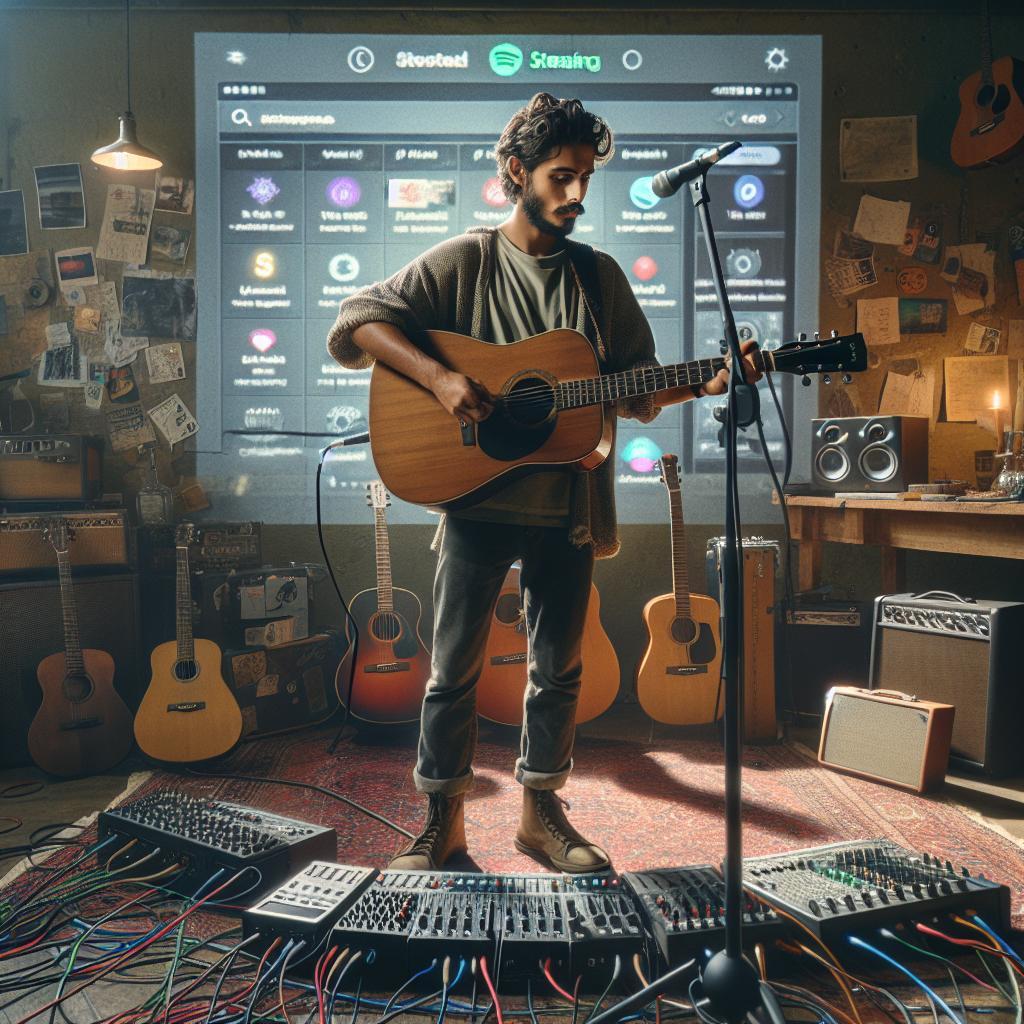
Indie Music's Digital Challenges and Innovations

The indie music scene is undergoing a thrilling transformation as it rides the digital wave, bringing forth an exciting blend of subgenres and fresh cultural narratives. With the rise of streaming platforms, artists like Iykki Berry, a Tamil-English rapper, are using global connectivity to challenge the mainstream and share their unique storytelling that resonates with diverse audiences. Simultaneously, bands like Dosser are navigating the complexities of this digital age, working hard to carve out their place in a competitive landscape marked by both opportunity and limitation. So how are independent musicians innovating and adapting to the technological advancements while balancing the ever-pressing financial constraints? In this report, we will delve into the challenges and innovations redefining indie music today, uncovering how artists are leveraging technology and exploring alternative revenue opportunities to sustain their craft.
Exploring the Rise of Indie Music: Subgenres and Impact
What Makes Indie Music So Diverse?
The emergence of indie music has led to a rich diversity of subgenres, reflecting a wide array of artistic expressions and cultural backgrounds. Independent music artists have utilized platforms like social media and independent music portals to share their unique sounds and stories, carving out niches within the broader music landscape. Notable subgenres include indie pop, indie rock, and alternative hip hop, among others. These subgenres not only highlight individual artist’s creativity but also foster a community of indie musicians that challenge mainstream music conventions.
Who Are the Trailblazers in Indie Music?
Several indie artists have made significant impacts in the music industry, showcasing the potential of independent musicians to thrive despite financial challenges. For instance, artists like Iykki Berry, a Tamil-English rapper, exemplify the role of indie music in storytelling and cultural empowerment. She emphasizes the importance of connecting with local traditions while adapting to contemporary influences. Additionally, Nigerian artists leading the Afrobeats genre—such as Tems, Omah Lay, and Rema—demonstrate the global influence of indie music as they redefine pop culture through innovative sounds and collaborations. Their successes highlight the opportunities available for indie artists in navigating a digital marketplace dominated by mainstream platforms.
Exploring the Impact of Streaming Platforms on Indie Music
How Are Streaming Platforms Revolutionizing Music Distribution?
Streaming platforms like Spotify and Apple Music have fundamentally transformed how music is distributed and consumed. In North America, the music streaming market thrives, leading globally in revenue and user base. The high disposable income of users and a strong inclination towards digital music consumption have accelerated this growth. Emerging markets in Asia and Africa, particularly countries like India and Nigeria, are now becoming significant players in the streaming scene, driven by factors such as increased smartphone penetration, affordable data plans, and a young demographic eager for music. Local platforms, like Gaana in India and Boomplay in Africa, are also emerging, catering to regional tastes and preferences while enhancing global connectivity in the music industry.
What Are the Financial Implications for Independent Artists?
The financial landscape for independent artists has been profoundly affected by the rise of streaming platforms. While the digitalization of music has facilitated easier distribution, it has also created challenges regarding copyright protection and fair compensation for artists. In particular, the low streaming royalties result in financial struggles for many independent musicians. Despite the challenges, there are signs of innovation within the industry, including the integration of blockchain technology, offering potential pathways for improved revenue models. Moreover, the rise of podcasting as a digital content form is opening new revenue streams for music publishers and creators, which presents additional opportunities amidst existing financial barriers.
Overcoming the Financial Hurdles of Independent Musicians
Are Streaming Royalties the Downfall of Indie Artists?
The emergence of streaming platforms has revolutionized music access but has presented severe financial challenges for independent musicians. According to an article titled 'Playing for pennies: How streaming royalties leave independent artists struggling,' platforms such as Spotify, Apple Music, and YouTube Music dominate the industry, yet their streaming payouts are extremely low. For instance, Tidal pays $0.0125 per stream, Apple Music approximately $0.0075, and Spotify offers a mere $0.003 per stream. These minimal payouts severely impact less popular artists, who struggle to earn a sustainable income, making it insufficient to cover basic living costs.
How Do Indie Musicians Supplement Their Income?
Due to the inadequacy of streaming revenues, independent musicians are compelled to find alternative sources of income. As highlighted by Will Teague, the guitarist and vocalist of the Baltimore-based band Dosser, many artists face the reality of funding their musical careers through other means. Teague articulates that, despite their efforts, the band’s income primarily goes back into sustaining itself, which means that, to afford personal expenses such as mortgages and bills, he must maintain a separate day job. This scenario is indicative of the broader trend among independent artists who often rely significantly on live performances and merchandise sales to survive.
What Legislative Changes Are Needed for Fair Compensation?
The financial challenges faced by independent artists have ignited calls for legislative reforms aimed at ensuring fair compensation for their work within the streaming ecosystem. Given the significant disparity in payouts across platforms and the struggles described by artists, there has been a growing movement advocating for changes to legislation that would require streaming services to alter their business models to better support independent musicians. Such reforms are deemed essential to create a more equitable music industry that values the contributions of all artists.
Innovative Solutions and Future Trends in Indie Music
How is Blockchain Technology Revolutionizing the Music Industry?
Blockchain technology is transforming the music industry, particularly benefiting indie artists. It functions as a secure and transparent ledger, facilitating direct distribution from artists to fans without intermediaries. This system enables artists to maintain full ownership and control over their music and revenue, leading to a larger share of earnings from streams, downloads, or sales. The transparency of blockchain also enhances music rights management and corresponding payments to artists, positioning it as a promising solution to existing financial challenges in the industry.
What Are the Alternatives to Traditional Streaming Models?
While traditional streaming platforms generate income through a model that requires a substantial number of listens, they also present opportunities for emerging artists. Platforms like Spotify offer unique features such as song recommendation algorithms, which can help less-known artists reach broader audiences. With over 620 million global users, the potential for exposure on these platforms is significant. Additionally, developing a presence on platforms like YouTube can aid artists in building their fanbases, as demonstrated by successful musicians like Ed Sheeran and The Weeknd. YouTube not only serves as a discovery platform but also allows artists to analyze music charts for audience engagement, offering alternative avenues for growth in a competitive environment.
Wrap Up
The evolution of indie music, as revealed in this report, paints a vibrant yet challenging picture, where artists like Iykki Berry and bands such as Dosser navigate both artistic opportunity and daunting financial hurdles. The low streaming royalties have forced many independent musicians into a corner, making it evident that while platforms like Spotify and Apple Music revolutionize distribution, they also require legislative changes to ensure fair compensation. However, the introduction of innovative solutions like blockchain technology can potentially reshape how revenues are shared, allowing for more direct and transparent transactions between artists and their fans. As we look to the future, it is crucial for indie musicians to adapt and leverage these emerging technologies while pushing for necessary policy reforms. By doing so, they can not only foster financial stability but also enrich the global music industry with their diverse voices and stories. Ultimately, a collaborative approach that unites creative expression with technological advancement will be essential in securing the future of indie music, ensuring it thrives in a fair and enriching ecosystem for all artists.