iPhone 16: Revolutionizing Chip Technology

TABLE OF CONTENTS
- Summary
- Introduction of iPhone 16 and iPhone 16 Plus
- iPhone 15 vs. iPhone 16: Key Differences
- A18 Pro Chip: Performance and Specifications
- A18 Pro Chip in iPhone 16 Pro and Pro Max Models
- Conclusion
1. Summary
This report examines the advancements in Apple's latest smartphone series, the iPhone 16 and its variants, powered by the state-of-the-art A18 chip technology. The primary focus is on the significant upgrades in processing power, graphical capabilities, and overall device efficiency brought by the A18 chip. The report highlights key innovations such as the 16-core Neural Engine optimized for large generative models, a GPU that is 30% faster than its predecessor, and the introduction of hardware-accelerated ray tracing for enhanced gaming experiences. Moreover, the iPhone 16 series offers improved connectivity with support for Wi-Fi 7 and advanced camera features. The comprehensive comparison between the iPhone 16 models and their predecessors showcases how these technological upgrades provide users with superior performance and energy savings, making them standout devices in the competitive smartphone landscape.
2. Introduction of iPhone 16 and iPhone 16 Plus
2-1. A18 chip technology and improvements
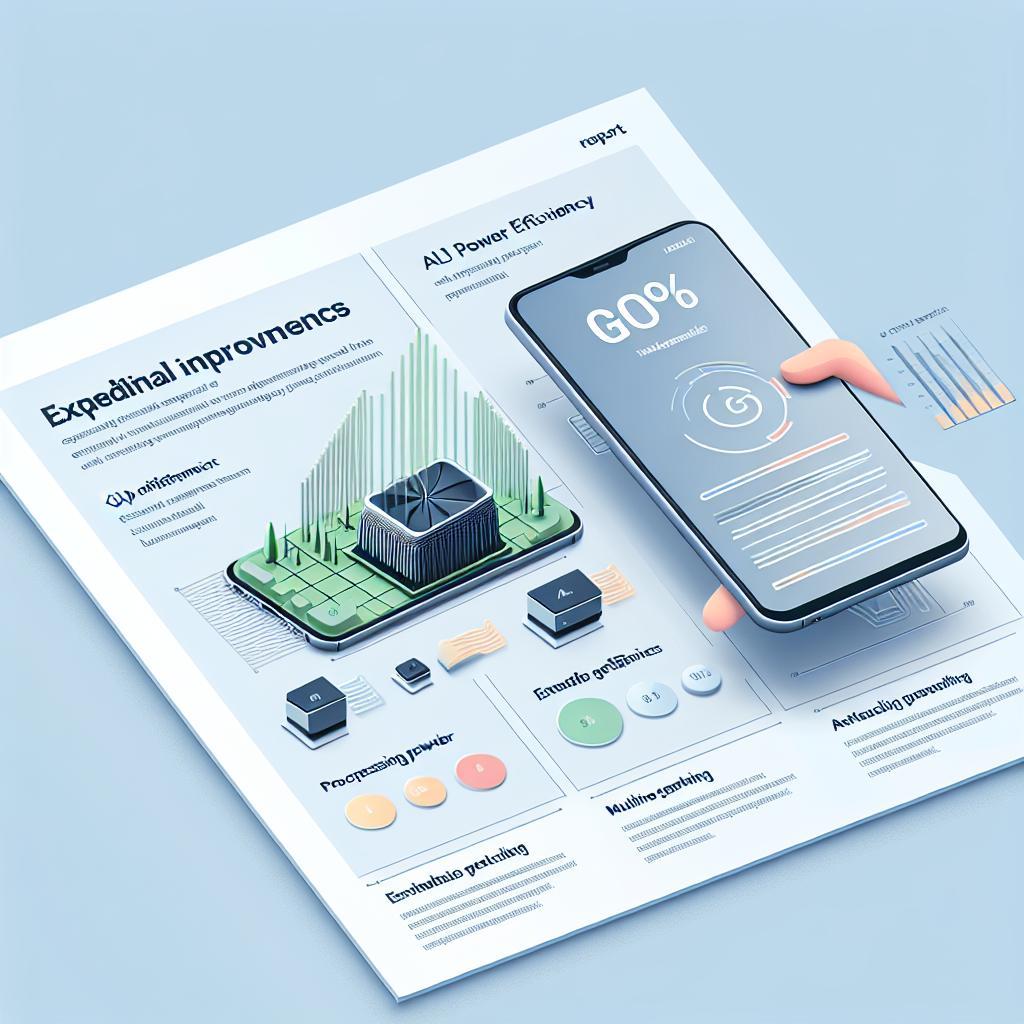
The A18 chip technology presents significant advancements in performance and power efficiency. It is constructed using second-generation 3-nanometer technology, which enhances Apple Intelligence capabilities. The upgraded 16-core Neural Engine is specifically optimized for large generative models, achieving machine learning (ML) model execution speeds up to 2x faster compared to the A16 Bionic chip. The 6-core CPU exhibits a remarkable performance increase, being 30 percent faster than the A16 Bionic chip and surpassing its competition. Furthermore, it operates more efficiently, requiring 30 percent less power than the A16 Bionic for the same workload.
2-2. Graphics and gaming enhancements
The iPhone 16 and iPhone 16 Plus feature a 5-core GPU which is up to 40 percent faster and 35 percent more efficient than the A16 Bionic. This GPU enhancement provides exceptional graphics performance, enabling high-quality gaming experiences. With the introduction of hardware-accelerated ray tracing, games can now depict light behavior more accurately, offering up to 5x higher frame rates compared to conventional software-based ray tracing. Both the iPhone 16 and 16 Plus support AAA games that were previously available only on the iPhone 15 Pro, and they are set to feature new titles like Honor of Kings: World, which will include an ultra graphics mode optimized for the iPhone 16 lineup, coming next year. Additionally, Game Mode in iOS 18 is designed to deliver more consistent frame rates while maintaining responsiveness for AirPods, game controllers, and other wireless accessories. The overall design efficiency of the A18 and the internal architecture allow for up to 30 percent higher sustained performance in gaming while ensuring the effective operation of Apple Intelligence on iPhone.
3. iPhone 15 vs. iPhone 16: Key Differences
3-1. A18 chip vs A16 Bionic chip
The iPhone 16 is powered by the A18 chip, which utilizes TSMC's 'N3E' enhanced 3nm process, compared to the A16 Bionic chip in the iPhone 15 that is based on TSMC's 'N4P' enhanced 5nm process. The A18 chip features a 6-core CPU that is up to 30% faster than its predecessor and boasts an upgraded 16-core Neural Engine optimized for generative models, which runs machine learning models twice as fast. The graphical capabilities are also enhanced with a 5-core GPU that can function up to 40% faster and includes hardware-accelerated ray tracing, greatly benefiting tasks that are graphics-intensive such as gaming and video editing.
3-2. Camera enhancements and capabilities
The camera system of the iPhone 16 has seen significant enhancements over the iPhone 15. Notably, the Ultra Wide camera now features an ƒ/2.2 aperture, which yields improved low-light performance compared to the ƒ/2.4 aperture present in the iPhone 15. These advancements contribute to better overall photographic capabilities and enhance the user experience for photography enthusiasts.
3-3. Wireless technology advancements
The iPhone 16 introduces Wi-Fi 7 (802.11be) with 2x2 MIMO, alongside Thread networking technology. These advancements lead to improved connectivity speeds and enhanced compatibility with smart home devices. Furthermore, the shift from 6GB to 8GB of memory in the iPhone 16 ensures better multitasking capabilities and future-proofing for the device, catering particularly to users who require higher performance in their mobile devices.
4. A18 Pro Chip: Performance and Specifications
4-1. Enhancements in GPU and gaming performance
The A18 Pro chip features significant enhancements in GPU technology, providing approximately 20% to 30% improvement in performance compared to its predecessor, the A17 Bionic. This upgrade allows for smoother frame rates and faster loading times in gaming applications. The enhanced GPU is particularly beneficial for mobile gamers, enabling them to experience AAA games with minimal lag and improved visual effects. Advanced graphics technologies, such as ray tracing and variable rate shading, further contribute to an enhanced gaming experience, making the A18 Pro a strong contender for graphic-intensive and professional applications like video editing and 3D rendering.
4-2. AI and machine learning advancements
The A18 Pro chip integrates advanced AI and machine learning capabilities, marked by enhancements in the Neural Engine. It offers up to 30% faster machine learning performance, significantly improving tasks that require real-time data processing, such as augmented reality applications and smart photography. Users can expect faster and more efficient performance for complex tasks, including real-time language translation and advanced photo editing. The improvements in on-device AI processing ensure tasks related to voice recognition and other machine learning processes are executed with greater efficiency and speed.
4-3. Energy efficiency and power management
The A18 Pro chip is designed with energy efficiency in mind, benefiting from a 3nm architecture. It has a thermal power design (TDP) that is slightly higher at 12W compared to the 11W of the A17, but both chips maintain excellent battery life with minimal thermal output. This efficiency allows the A18 Pro to handle complex tasks while potentially consuming less power, making it an effective choice for users who run demanding applications without significant battery drain.
5. A18 Pro Chip in iPhone 16 Pro and Pro Max Models
5-1. System memory bandwidth and its impact
The A18 Pro chip features a 17 percent increase in total system memory bandwidth, which is the highest ever achieved in an iPhone. This significant increase facilitates faster experiences when utilizing Writing Tools and Image Playground, contributing to exceptional graphics performance.
5-2. 6-core CPU and its efficiency
The A18 Pro includes a 6-core CPU, recognized as the fastest in a smartphone. This CPU is configured with two performance cores and four efficiency cores, allowing it to run the same workload as its predecessor while being 15 percent faster and utilizing 20 percent less power.
5-3. Additional features in iOS 18 for enhanced performance
iOS 18 introduces Game Mode, which enhances gameplay by unlocking more consistent frame rates and optimizing the responsiveness of accessories such as AirPods and game controllers. Additionally, hardware-accelerated ray tracing capabilities are improved, becoming up to 2 times faster for more realistic lighting and reflection effects in games.
6. Conclusion
The new iPhone 16 models, featuring the A18 and A18 Pro chips, represent a significant leap in smartphone technology, particularly in terms of processing efficiency and enhanced user experiences. The A18 chip specifically elevates performance with a more powerful Neural Engine and up to 30% faster processing speeds over the A16 Bionic. Graphics and gaming functionalities have also been substantially improved, making these devices more appealing to tech enthusiasts and gamers alike. Nevertheless, the challenges around thermal design constraints remain a limitation, though Apple has made strides in maintaining battery efficiency even under demanding tasks. Looking ahead, the technology used in the A18 chip paves the way for future innovations in mobile applications, reinforcing Apple's role as a leader in tech development. These advances are expected to be vital for real-world applications such as high-end gaming and AI-driven tasks, suggesting a forward-thinking approach that anticipates the evolving demands of consumers and technology.