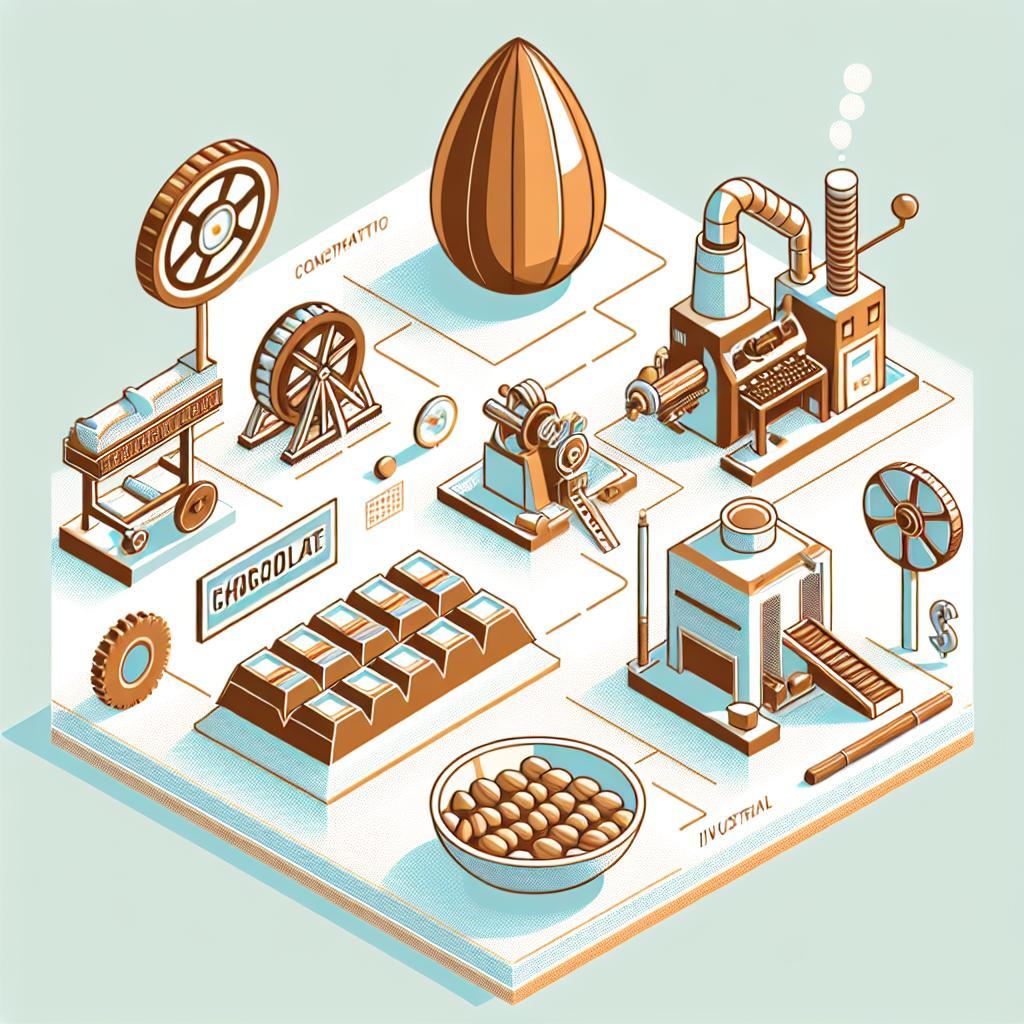
How the Chocolate Industry Dominated the Sweet Tooth Society

TABLE OF CONTENTS
- Summary
- Historical Evolution of Chocolate
- Technological Advancements
- Marketing and Cultural Integration
- Ethical Considerations in Cacao Production
- Modern Dynamics of the Chocolate Industry
- Conclusion
1. Summary
This report, titled 'How the Chocolate Industry Dominated the Sweet Tooth Society,' examines the extensive history and growth of the chocolate industry. The report outlines chocolate's origins in Mesoamerican civilizations such as the Olmecs, Maya, and Aztecs, and details its introduction to Europe in the 1500s. Significant technological advancements during the Industrial Revolution, including innovations by J.S. Fry & Sons and Rodolphe Lindt, transformed chocolate from a luxurious drink to an accessible treat. The report also discusses how sophisticated marketing and cultural integration have made chocolate an ensconced part of modern celebrations. Additionally, it highlights ethical concerns in cacao production, emphasizing the need for sustainable practices in addressing labor issues and environmental impacts. The modern dynamics of the industry, including market trends and regional consumption differences, are also covered, along with the rise of artisanal and gourmet chocolates.
2. Historical Evolution of Chocolate
2-1. Origins in Mesoamerica
The origins of chocolate trace back roughly 4,000 years ago to the Olmec civilization in Mesoamerica, specifically in the southern part of Mexico. The Olmecs used the cacao plant’s beans not to create chocolate bars, but to produce a warm, bitter beverage by roasting the beans, grinding them into a paste, and mixing it with spices and honey. This beverage held significant cultural value and was considered a food of the gods, consumed primarily by rulers, priests, and warriors. The Mayan civilization, following the Olmecs, started cultivating cacao beans around 600 A.D. and popularized the drink further. The Aztecs, inheriting the knowledge from the Mayans, used cacao beans as a form of currency and continued the tradition of consuming chocolate as a frothy, flavored drink called 'xocolatl.' This beverage, although bitter, was a luxury item that held social and ceremonial importance.
2-2. Introduction to Europe
Chocolate made its first appearance in Europe during the 1500s with the advent of Spanish explorers in the New World. Hernán Cortés, in particular, is credited with bringing cacao beans back to Spain in 1528. Europeans, finding the beverage initially unappealing, adapted it by adding sugar, thus making it more palatable. The drink quickly gained popularity among the European aristocracy, symbolizing luxury and status. The first chocolate houses emerged in cities such as Seville and Madrid and later spread to other parts of Europe, including France and England. By the late 1600s, chocolate had established itself as a fashionable and sought-after commodity among the elite classes of Europe, heavily influenced by the ceremonial and esteemed significance that chocolate held in Mesoamerican cultures.
2-3. Transition from Beverage to Chocolate Bar
The transition of chocolate from a beverage to a solid form began in earnest during the Industrial Revolution in the 19th century. Significant advancements in chocolate processing occurred, such as Rodolphe Lindt's invention of the conching machine in 1879, which resulted in smoother and creamier chocolate. This period also saw the development of milk chocolate, which combined cocoa with milk powder, broadening chocolate’s appeal. The English company J.S. Fry & Sons was pivotal in 1847 when they created the first chocolate bar. This marked a turning point, transforming chocolate from a luxurious drink to a widely available treat. Key figures like Joseph Fry, who utilized Dutch-processed cocoa, and companies like Cadbury and Hershey played significant roles in mass-producing chocolate, ensuring its availability to the broader public. By the early 20th century, chocolate in various forms, including bars and confections, became a popular and accessible indulgence for the masses.
3. Technological Advancements
3-1. Impact of the Industrial Revolution
The Industrial Revolution had a profound impact on the chocolate industry. Before the 19th century, chocolate was primarily consumed as a beverage by the elite. However, technological innovations during this period, such as Coenraad Johannes Van Houten's hydraulic press invented in 1828, revolutionized chocolate production. This device allowed manufacturers to separate cocoa butter from cocoa solids, enabling the production of cocoa powder at a lower cost and improving the flavor by preventing it from becoming burnt and bitter. Subsequently, the chocolate became more affordable and widely available to the masses. Additionally, the Industrial Revolution significantly influenced food safety regulations, leading to the establishment of acts such as the British Sale of Food and Drugs Act of 1875.
3-2. Innovative Techniques like Hydraulic Press and Conching
Innovations like the hydraulic press and conching technique dramatically changed chocolate production. Van Houten's hydraulic press allowed the efficient separation of cocoa butter from chocolate liquor, which was then treated with alkaline salts to produce a milder and darker cocoa powder. This powder was used by companies like Fry and Cadbury to create solid chocolate bars. Another pivotal innovation was the invention of the conche by Charles Lindt in 1879. The conche aerated and kneaded the chocolate mixture, giving it a smoother and silkier texture, which contributed to the chocolate's uniform flavor and higher quality. These techniques enabled the large-scale production of chocolate, making it more accessible to a broader audience.
3-3. Development of Solid Chocolate Forms
The development of solid chocolate forms was a milestone in the evolution of chocolate. In 1847, Joseph Fry created the first chocolate bars by mixing cocoa powder with sugar and melted cocoa butter. This method was later refined by companies such as Cadbury and Lindt, making chocolate bars smoother and more palatable. The introduction of milk chocolate by the Cadbury company in 1868 and further innovations by chocolatiers like Rodolphe Lindt, who invented the conching machine, facilitated the production of high-quality, consistent chocolate bars. The combination of these advancements allowed chocolate to transition from a luxury beverage to an everyday treat enjoyed by people worldwide.
4. Marketing and Cultural Integration
4-1. Branding and Emotional Appeal
The rise of chocolate as a beloved treat can be largely attributed to its effective branding and emotional appeal. Historical insights reveal that chocolate's initial introduction to Europe was met with skepticism. However, over time, it evolved into a desirable commodity, primarily due to its association with emotional and celebratory contexts. Elites in Europe built 'chocolate rooms' to impress guests, incorporating chocolate into their ceremonies, which established its luxurious status and emotional appeal (JSTOR Daily). As the popularity of chocolate grew, its branding became ever more sophisticated, linking it with indulgence, love, and comfort. Companies like Hershey capitalized on this by focusing on producing large quantities and embedding chocolate deeply into cultural celebrations (HersheyArchives).
4-2. Association with Celebrations and Social Occasions
Chocolate has strongly tied itself to various celebrations and social occasions. This tradition dates back to Mesoamerican civilizations, where chocolate was used in rituals and ceremonies by the Aztecs and Mayans. These practices were carried forward to European societies, where chocolate beverages were featured in aristocratic events and ceremonies (JSTOR Daily). In modern times, chocolate remains a staple in celebrations like Valentine's Day and Easter, symbolizing affection and festivity (The Post Magazine). Seasonal variations and special edition products boost its presence during holidays, further strengthening its association with joyous occasions.
4-3. Seasonal Products and Cultural Adaptations
The chocolate industry's ability to adapt to various cultural contexts and create seasonal products has been a significant factor in its global dominance. The tradition of gifting chocolate eggs during Easter started with 19th century French and German confectioners, and was popularized in the UK by manufacturers such as Cadbury (The Post Magazine). This tradition continues today across many cultures. Additionally, companies produce special chocolate products for various holidays and events, tailoring flavors and designs to local tastes. Such strategies ensure that chocolate remains relevant and appealing to a diverse customer base throughout the year.
5. Ethical Considerations in Cacao Production
5-1. Labor Practices on Plantations
The cacao industry, particularly in regions such as São Tomé and Príncipe, has been marred by unethical labor practices. Historical accounts reveal that plantations often subjected men and women to slave-like conditions. Workers were frequently recruited from mainland Africa and were transported to the islands under severe coercion. Once on the plantations, these laborers, known as 'serviçias,' faced arduous working conditions with very low wages and were often subjected to harsh punishments. Despite the abolition of slavery, many workers continued to endure significant hardships, with very few personal freedoms and inadequate compensation for their labor.
5-2. Consumer Demand for Fair Trade
Over recent decades, there has been growing consumer awareness and demand for fair trade chocolate products. This push is driven by a desire to ensure that cacao farmers receive fair compensation and work under humane conditions. Fair trade certification aims to address and rectify unethical practices by ensuring transparency in the supply chain and guaranteeing better labor standards. However, adoption of fair trade practices is still not universal, and many regions continue to lag in implementing these ethical standards.
5-3. Sustainability and Ethical Sourcing
Sustainable and ethical sourcing of cacao beans is critical for the long-term viability of the chocolate industry. The environmental impact of cacao farming, particularly in terms of deforestation and biodiversity loss, calls for more sustainable farming practices. Efforts to adopt sustainable methods include promoting agroforestry systems, which integrate cacao plants with other trees to enhance ecological balance. Additionally, ethical sourcing not only involves environmental responsibility but also fair treatment of farmers and workers throughout the supply chain. The industry is gradually moving towards these practices, but significant work remains to be done to ensure widespread adoption.
6. Modern Dynamics of the Chocolate Industry
6-1. Current Market Value and Consumption Patterns
The chocolate industry today is a multi-billion dollar market with widespread consumer appeal globally. Driven by constant innovation and a growing consumer base, the industry continues to thrive. Chocolate consumption patterns reveal its immense popularity, with both traditional segments like milk chocolate and emerging categories such as dark and white chocolate gaining significant traction.
6-2. Regional Consumption Differences
Consumption patterns of chocolate vary significantly across different regions. Europe and North America represent some of the largest markets, with high per capita consumption. For instance, countries like Switzerland and Germany boast some of the highest chocolate consumption rates globally. In contrast, emerging markets in Asia and Africa are witnessing a rise in demand, fuelled by increasing urbanization and changing consumer preferences.
6-3. Emergence of Artisanal and Gourmet Chocolates
The chocolate industry has seen a notable shift towards artisanal and gourmet chocolates. This segment focuses on high-quality ingredients, unique flavors, and ethical sourcing, appealing to a more discerning consumer base. Companies are investing in premium product lines, and there is a growing trend towards organic and fair-trade chocolates, reflecting the consumers' increased awareness and demand for ethical production practices.
7. Conclusion
The extensive and storied history of chocolate, from its initial cultivation by Mesoamerican civilizations to its current status as a global confectionery staple, is a testament to its enduring appeal. Key developments during the Industrial Revolution, such as the inventions by J.S. Fry & Sons and chocolatiers like Rodolphe Lindt, revolutionized production, making chocolate widely available. Despite these advancements, the industry now faces significant ethical challenges, particularly in cacao production. Issues related to labor practices and sustainability, including consumer demands for Fair Trade certification, underscore the need for transparent and ethical sourcing. Implementing sustainable practices and ensuring fair treatment of workers are vital for maintaining consumer trust and industry viability. Moving forward, balancing profitability with ethical responsibility will be crucial. The industry's future depends on its ability to innovate while addressing its ethical and environmental impacts, ensuring that chocolate remains a beloved treat for generations to come.