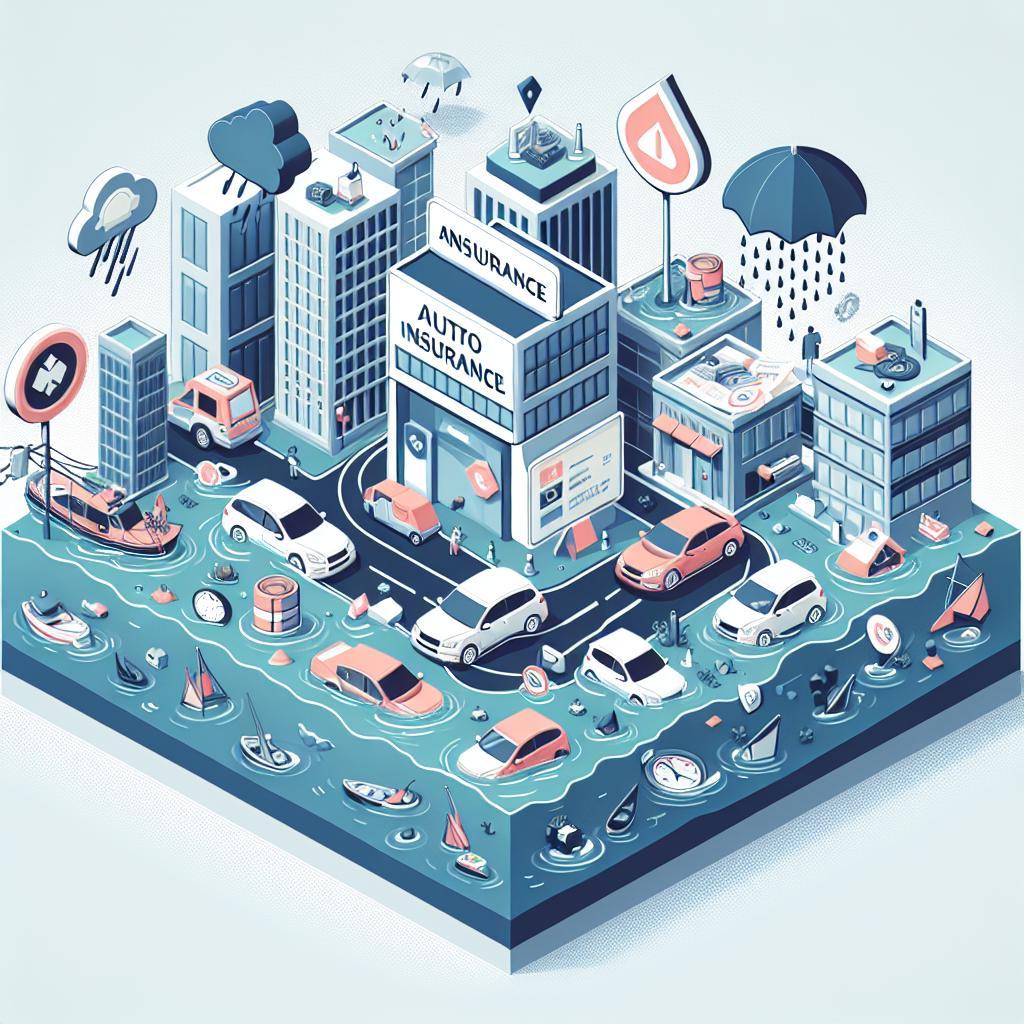
Impact of Monsoon Season on Auto Insurance Loss Ratios in South Korea

TABLE OF CONTENTS
- Summary
- Rising Loss Ratios in the Auto Insurance Industry
- Strategies for Mitigating Monsoon-Related Risks
- Technological Advancements and Consumer Trends
- Conclusion
1. Summary
The report titled 'Impact of Monsoon Season on Auto Insurance Loss Ratios in South Korea' examines how monsoon-induced weather conditions affect the loss ratios of major auto insurance companies, including Samsung Fire & Marine, Hyundai Marine & Fire, and KB Insurance. It provides a detailed account of current loss ratios, which have risen to 79.4% as of May, nearing the break-even point of 80%. The report highlights the historical impact of heavy rainfall on loss ratios and the strategies insurers employ, such as flood prevention measures and collaboration with governmental agencies, to mitigate these risks. Technological advancements and changes in consumer interests and preferences are also discussed, emphasizing the importance of innovative products and improved customer service in the auto insurance industry.
2. Rising Loss Ratios in the Auto Insurance Industry
2-1. Current Loss Ratios
As of May, the cumulative loss ratio for the top five non-life insurance companies in South Korea—Samsung Fire & Marine, Hyundai Marine & Fire, DB Insurance, KB Insurance, and Meritz Fire & Marine—stands at 79.4%. This ratio has risen from 76.8% in the same period the previous year, nearing the 80% break-even point. A 2.6 percentage point increase signifies a significant concern for the industry. The cumulative loss ratio of 79.4% means insurers are on the verge of incurring losses, as the threshold for profitability is typically set at an 80% loss ratio. This increase can be attributed to several factors, including premium reductions and increased claims due to adverse weather conditions.
2-2. Impact of Heavy Rainfall on Loss Ratios
The approaching monsoon season poses a considerable risk to the auto insurance industry in South Korea. Historically, heavy rainfall has led to numerous flood-related vehicle claims, further exacerbating the loss ratios. For instance, during the concentrated downpours of 2022, approximately 12,041 vehicles were damaged, resulting in an estimated loss of 137.5 billion KRW. This was the highest loss recorded in the last two decades. With meteorological predictions indicating above-average rainfall for the upcoming months, insurers are bracing for potentially higher claims. Companies like Samsung Fire & Marine and Hyundai Marine & Fire have initiated emergency response systems to mitigate flood-related damages, but the effectiveness of these measures remains uncertain.
2-3. Comparison of Loss Ratios Over Recent Years
Comparing loss ratios over recent years, there has been a noticeable trend. In 2019, the automotive insurance loss ratio peaked at 92.9%, largely due to high accident rates and insufficient premiums. This figure improved significantly in subsequent years, dropping to 85.7% in 2020 and further to 81.2% by 2022. These improvements were partly due to reduced traffic during the COVID-19 pandemic, resulting in fewer claims. However, 2023 has seen a resurgence in loss ratios, now standing at 79.4% as of May, which marks an increase from 76.8% the previous year. This upward trend is attributed to both a reduction in premium rates, driven by regulatory pressures, and an increase in vehicle usage post-pandemic, resulting in higher claim frequencies.
3. Strategies for Mitigating Monsoon-Related Risks
3-1. Preventive Measures
Insurance companies are actively preparing for potential damage during the monsoon season due to the significant impact of increased loss ratios on their performance. For example, in response to the heavy rainfall predicted for 2024, insurers have implemented several preventive measures to manage the risk of vehicle flooding. This includes using system tools and collaborating with safety organizations to minimize risks. Companies like Samsung Fire & Marine Insurance have set up 'flood prevention emergency teams' to patrol and manage flood-prone areas and communicate high-risk warnings to customers. Additionally, in 2022, more than 1.3 trillion KRW in damage costs were attributed to flood damage, emphasizing the need for rigorous preventive systems.
3-2. Collaboration with Government and Local Agencies
To effectively tackle flood-related risks, several insurance companies collaborate closely with government bodies and local agencies. For example, the financial authorities, the Insurance Development Institute, and the Korea Road Traffic Authority have jointly set up an emergency evacuation alert system. This system alerts drivers of potential flooding and emergency conditions, helping to prevent accidents and minimize damage. Furthermore, insurers work with public offices to tow vehicles to safe areas in case of severe weather warnings and to coordinate disaster prevention measures with local governments.
3-3. Emergency Response Systems
Emergency response systems are key to mitigating the effects of heavy rainfall during the monsoon season. Insurers like KB Insurance and Hyundai Marine & Fire Insurance have established emergency response processes that categorize the severity of damage and streamline recovery efforts accordingly. These systems involve real-time monitoring and alert dissemination to customers regarding imminent dangers and provide critical support through rapid response teams. Additionally, insurance companies invest in infrastructure improvements, such as installing flood barriers and backflow prevention facilities in flood-prone areas. For instance, the non-life insurance social contribution committee has allocated funds for flood prevention in at-risk residential areas.
4. Technological Advancements and Consumer Trends
4-1. Role of Technology in Auto Insurance
The role of technology in auto insurance has been evolving rapidly. One example is the 'GoodRich' application, which offers various features such as insurance policy aggregation, real-time insurance analysis, easy claims processing, and health checks based on past medical examinations. This app allows users to gather all their family insurance details in one place and evaluate the appropriateness of their coverages using its analytical tools. Moreover, GoodRich facilitates claims by taking care of essential documentation and allows users to manage their automobile insurance conveniently, including quick access to emergency services and repair requests.
4-2. Consumer Interest and Preferences
Consumer interest in auto insurance is significantly influenced by the benefits and customer service provided by insurance companies. According to data from April to June, 'Samsung Fire & Marine Insurance' topped consumer interest rankings due to substantial discounts offered through the T-map driving score program, which provides nearly 20% discounts on driver insurance. Their high-quality emergency services have also garnered positive reviews from customers. Additionally, 'Hyundai Marine & Fire Insurance' and 'KB Insurance' saw substantial consumer engagement. Hyundai Marine & Fire Insurance was noted for its detailed coverage and swift handling processes, while KB Insurance revamped its mobile app to improve usability and convenience for consumers. Such trends reflect that consumers prioritize discounts, quality service, and ease of access when selecting insurance providers.
4-3. New Insurance Products and Services
The auto insurance industry has been introducing innovative products and services to cater to changing consumer needs. A notable example is the usage of telematics, where driving behavior is monitored to offer personalized insurance plans like the safety driving discount provided by Samsung Fire & Marine Insurance. Technological integration, such as integrating AI for underwriting and claims processes, has also been highlighted in contemporary insurance trends. Additionally, insurers have been introducing policies with specific benefits, such as
5. Conclusion
The findings in this report underline the significant impact the monsoon season has on auto insurance loss ratios in South Korea. With current loss ratios rising to 79.4%, KB Insurance, Samsung Fire & Marine, and Hyundai Marine & Fire Insurance are employing various flood prevention measures and collaborating with governmental bodies to mitigate the high risk associated with monsoon-induced damages. While these strategies offer some relief, the upward trend in loss ratios warrants a continuous push for innovation and enhanced prevention systems. The inclusion of advanced technologies, such as real-time monitoring systems, and the growing consumer preference for comprehensive and user-friendly insurance services, highlight the need for adaptation within the industry. Future efforts should focus on developing more resilient insurance products and reinforcing infrastructure to better cope with climatic challenges, ultimately aiming to sustain the industry's growth and stability.